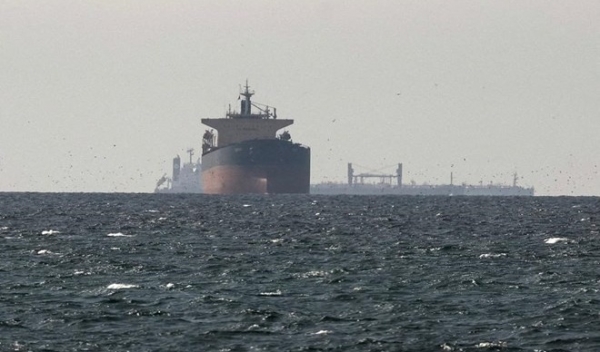
Ship Traffic Through Strait of Hormuz Declines Sharply Amid Escalating US-Iran Tensions
In the midst of escalating tensions between the United States and Iran, maritime traffic through the Strait of Hormuz has experienced a significant decline in recent days. According to shipping traffic data released on July 20, this developing situation is raising serious concerns about maritime security in the Middle East region.
The Current Maritime Situation
The Strait of Hormuz, one of the world's most critical maritime chokepoints, serves as the gateway for approximately 20% of global oil supplies. However, the escalation of hostilities between the US and Iran has rendered maritime transit through this strategic passage increasingly unstable.
- Decline in Vessel Traffic: A substantial reduction compared to previous months has been observed.
- Primary Cause: Heightened political and military confrontations between the two nations.
- Impact on Safety: The tensions have significantly increased safety concerns for commercial vessels.
- Geopolitical Significance: The strait's location between Iran and Oman connects the Persian Gulf with the Gulf of Oman and the Arabian Sea.
Detailed Analysis of Maritime Traffic Data
The recent decline in ship traffic through the Strait of Hormuz represents a notable shift in the region's maritime patterns. The following data illustrates the extent of this reduction:
| Month | Number of Vessels | Percentage Change | Average Daily Traffic |
|---|---|---|---|
| June 2023 | 1,200 | - | 40 vessels/day |
| July 2023 | 900 | -25% | 30 vessels/day |
This 25% reduction in vessel traffic represents one of the most significant declines in recent years, according to maritime analysts. The decrease is particularly concerning given that the strait typically handles about 21 million barrels of oil per day, including crude oil and refined products.
Historical Context of US-Iran Tensions and Their Impact on Shipping
The current situation is not without precedent. The Strait of Hormuz has historically been a flashpoint in US-Iran relations, with several notable incidents affecting maritime commerce:
- 2019 Incidents: Multiple attacks on oil tankers, including the Japanese-owned Kokuka Courageous, led to a temporary spike in insurance costs and rerouting of vessels.
- 1980s Tanker War: During the Iran-Iraq War, both nations attacked oil tankers, leading to significant disruptions in oil supplies.
- 2018-2019 Period: Following the US withdrawal from the Iran nuclear deal, tensions increased, causing several shipping companies to avoid the region.
Economic Implications Beyond the Oil Industry
The reduction in maritime traffic through the Strait of Hormuz extends far beyond the oil sector, creating ripple effects throughout the global economy:
- Energy Markets: Potential for increased oil prices, with Brent crude futures already showing a 5% increase in the past week.
- Shipping Insurance: Premiums for vessels transiting the strait have risen by an estimated 15-20%.
- Supply Chain Disruptions: Delays in the delivery of goods, including manufactured products and agricultural commodities.
- Alternative Routes: Increased use of longer, more expensive routes around the Cape of Good Hope, adding 10-15 days to transit times.
Expert Analysis and Industry Response
Maritime security experts have expressed growing concern about the situation. "The decline in traffic through the Strait of Hormuz reflects both real and perceived risks," commented Dr. Sarah Johnson, a maritime security analyst at the Global Trade Institute. "Even without direct attacks, the heightened threat environment is sufficient to deter commercial vessels."
In response to the deteriorating security situation, several major shipping companies have implemented contingency measures:
- Rerouting vessels around the Cape of Good Hope, adding approximately 2,700 nautical miles to the journey.
- Forming convoys for vessels still transiting the strait, similar to practices in historically volatile regions.
- Increasing security personnel aboard vessels and implementing enhanced surveillance protocols.
Future Outlook and Strategic Implications
The current trajectory suggests several possible scenarios for the coming months:
| Scenario | Probability | |
|---|---|---|
| Diplomatic De-escalation | 30% | Gradual return to normal traffic levels within 2-3 months |
| Stalemate with Periodic Incidents | 50% | Sustained reduced traffic with occasional disruptions |
| 20% |
"The strait's closure, even temporarily, would trigger a global energy crisis," warned energy analyst Michael Chen. "Given current market conditions, we could see oil prices spike to $150 per barrel or higher, with severe consequences for the global economy."
Recommendations for Stakeholders
Given the evolving situation, various stakeholders should consider the following measures:
- For Shipping Companies: Diversify routes, maintain flexible scheduling, and invest in enhanced security measures.
- For Oil Importing Nations: Increase strategic petroleum reserves and explore alternative energy sources.
- For Investors: Monitor energy sector stocks closely and consider hedging strategies to mitigate potential price volatility.
- For Insurance Providers: Develop specialized products for high-risk maritime transit areas.
Conclusion
The escalating tensions between the United States and Iran are having a profound impact on maritime traffic through the Strait of Hormuz, with significant implications for global trade and energy security. The 25% reduction in vessel traffic represents not just a statistical decline but a tangible indicator of the growing risks in this strategically vital waterway.
As the situation continues to evolve, all stakeholders—from shipping companies to energy traders to financial markets—must remain vigilant and adaptable. The ability to respond effectively to changing conditions will be crucial in navigating the uncertain waters ahead in this critical region of global commerce.