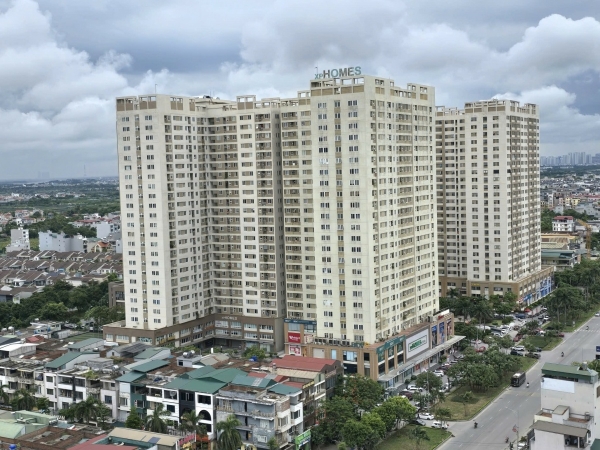
Hanoi Aims to Deliver Over 46,000 Social Housing Units to Market by 2026
In the context of increasing demand for social housing, Hanoi's Department of Construction has set an ambitious goal to bring over 46,000 social housing units to the market by 2026. This initiative represents a significant component of the city's comprehensive plan for housing development and quality of life improvement for its residents.
Implementation Plan for Social Housing Projects
According to information from the Department of Construction, if all projects proceed according to schedule, a total of 77 projects will complete their foundation phases by 2026, making approximately 46,100 social housing units available to the market. This achievement would not only address the growing housing demand but also contribute to stimulating the local economy.
Targets for New Project Commencements
To achieve this impressive figure, the Department of Construction has also set a target to commence construction on 114 new projects in the second half of the upcoming year. This initiative will not only increase the housing supply but also create numerous employment opportunities for local residents.
Overview of Social Housing Projects
| Project Name | Projected Number of Units | Status | Expected Completion |
|---|---|---|---|
| Project A | 1,500 | Foundation completed | 2026 |
| Project B | 2,000 | Under construction | 2026 |
| Project C | 1,200 | Not yet commenced | 2026 |
Significance of the Social Housing Initiatives
The development of social housing projects not only helps address the housing challenges for low-income residents but also constitutes a vital part of the city's sustainable urban development strategy. These projects will contribute to alleviating housing pressure while creating improved living environments for Hanoi's residents.
Current Housing Market Context
Hanoi, as Vietnam's capital and second-largest city, has been experiencing rapid urbanization in recent years. This urban growth has led to increased demand for housing, particularly affordable options for middle and low-income households. The social housing initiative aims to bridge this gap, ensuring that all residents have access to decent living conditions.
Government Support and Policy Framework
The Vietnamese government has implemented various policies to support social housing development, including tax incentives, streamlined approval processes, and land allocation for affordable housing projects. Hanoi's ambitious 2026 goal aligns with these national initiatives and demonstrates the city's commitment to providing housing solutions for its growing population.
Challenges and Solutions
Despite the ambitious targets, developing social housing in a rapidly growing urban center like Hanoi presents several challenges. These include land acquisition difficulties, infrastructure requirements, and financing constraints. To overcome these obstacles, city authorities are implementing innovative approaches such as public-private partnerships and leveraging unused government land for housing development.
Impact on Urban Development
The successful implementation of these social housing projects will have far-reaching effects on Hanoi's urban landscape. Beyond providing affordable housing, these developments will help create more balanced urban growth, reduce pressure on existing infrastructure, and contribute to more sustainable city planning practices.
Conclusion
With clear plans and well-defined objectives, Hanoi is making continuous efforts to improve living conditions for its residents while meeting the growing housing demands. The success of these social housing projects in the coming years will serve as a testament to the city's sustainable development trajectory and its commitment to inclusive urban growth.