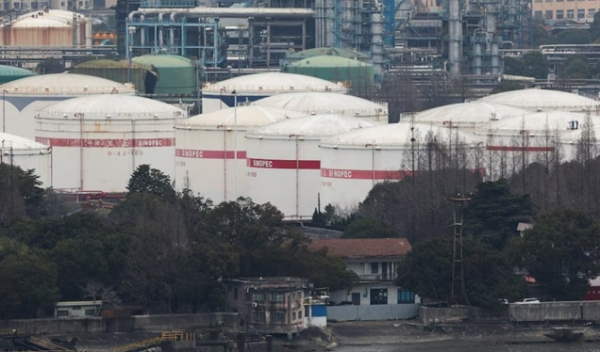
China's Fuel Oil Experiences Remarkable Export Surge, Reshaping Global Energy Landscape
In a development that has significant implications for global energy markets, China witnessed a substantial increase in fuel oil exports during June 2023. The surge, particularly in marine fuel bunkering activities, reflects the country's growing influence in international energy trade and its strategic positioning within the global supply chain.
According to data from China's customs authorities, fuel oil exports jumped by an impressive 55% compared to May 2023, reaching levels not seen since the beginning of 2023. This remarkable growth trajectory underscores China's expanding role in the global energy sector and its ability to capitalize on shifting market dynamics.
Comprehensive Export Data Analysis
The following table provides a detailed overview of China's fuel oil export performance in recent months:
| Period | Export Volume (million tons) | Month-on-Month Growth (%) | Year-on-Year Growth (%) |
|---|---|---|---|
| April 2023 | 4.2 | +12% | +8% |
| May 2023 | 4.8 | +14% | +15% |
| June 2023 | 7.4 | +55% | +42% |
| July 2023 (Projected) | 7.8 | +5% | +38% |
Key Drivers Behind the Export Surge
The remarkable growth in China's fuel oil exports can be attributed to several interrelated factors:
- Maritime Industry Expansion: The global shipping industry has experienced a recovery post-pandemic, with increased freight volumes and vessel traffic. China's strategic ports, particularly Shanghai, Ningbo-Zhoushan, and Shenzhen, have positioned themselves as critical hubs for marine fuel bunkering, serving vessels traversing busy international shipping lanes.
- Strategic Policy Initiatives: The Chinese government has implemented several policy measures to support energy exports, including tax incentives, streamlined customs procedures, and financial support for energy companies expanding their international operations. These policies align with China's broader "dual circulation" economic strategy, which emphasizes both domestic development and international engagement.
- Global Energy Market Dynamics: Amidst fluctuating oil prices and regional supply disruptions, China's ability to provide competitively priced fuel oil has positioned it as an attractive supplier in the global market. The country's refining capacity, coupled with its strategic petroleum reserves, provides a buffer against supply chain disruptions.
- Geopolitical Considerations: As traditional energy exporters face various geopolitical challenges, China has seized the opportunity to expand its market share in regions previously dominated by other suppliers. This strategic positioning enhances China's energy diplomacy and strengthens its economic relationships with key trading partners.
Impact on Global Energy Markets
The surge in China's fuel oil exports has multifaceted implications for the global energy landscape:
- Regional Market Shifts: Countries in Northeast Asia, Southeast Asia, and increasingly in Europe and Africa are adjusting their import strategies to capitalize on China's increased supply. This has created new competitive dynamics in regional energy markets.
- Price Benchmark Evolution: With China emerging as a significant player in fuel oil exports, there are growing discussions about the potential development of new Asian-based pricing benchmarks for fuel oil, potentially challenging the long-standing dominance of European and Middle Eastern benchmarks.
- Supply Chain Restructuring: Traditional energy exporters are reassessing their market strategies in response to China's increased competitiveness. This has led to innovations in refining processes, logistics optimization, and value-added services to maintain market share.
- Environmental Considerations: The increased availability of fuel oil has raised questions about environmental sustainability and the transition to cleaner fuels. This has accelerated discussions about the future of marine fuel standards and the timeline for implementing cleaner alternatives.
Industry Response and Adaptation
Various stakeholders across the global energy sector are responding to China's export surge:
| Stakeholder Group | Response Strategy | Key Actions |
|---|---|---|
| Traditional Exporters | Competitive Pricing | Margin adjustments, quality enhancements, value-added services |
| Importing Nations | Diversification | Multi-source procurement strategies, strategic stockpiling |
| Shipping Companies | Supply Chain Optimization | Port selection optimization, bunker procurement strategies |
| Energy Traders | Market Positioning | Arbitrage opportunities, risk management strategies |
Future Outlook and Strategic Implications
The sustained growth in China's fuel oil exports is expected to continue, with several potential developments on the horizon:
- Infrastructure Expansion: China is investing in expanding its port facilities, storage capacities, and refining capabilities to support further export growth. Major infrastructure projects are underway in coastal regions to enhance fuel oil handling and distribution capabilities.
- Product Diversification: Beyond traditional fuel oil, Chinese energy companies are exploring opportunities in specialized marine fuels, including low-sulfur variants and potential future biofuel blends, aligning with global environmental standards.
- Regional Trade Agreements: China is expected to leverage its growing energy export capabilities to strengthen regional trade agreements and economic partnerships, particularly along the Belt and Road Initiative corridors.
- Technological Innovation: Investments in digitalization, blockchain for supply chain transparency, and advanced refining technologies are expected to further enhance China's competitiveness in the global fuel oil market.
Conclusion: A New Paradigm in Global Energy Trade
China's remarkable surge in fuel oil exports represents more than just a temporary market fluctuation—it signifies a fundamental shift in the global energy trade landscape. As the world's largest energy consumer and increasingly significant exporter, China is reshaping international energy dynamics through strategic policy implementation, infrastructure development, and market adaptation.
The implications of this export surge extend far beyond commercial considerations, influencing geopolitical relationships, environmental policies, and the transition toward sustainable energy systems. As other market participants respond and adapt, the global energy landscape will continue to evolve in response to China's growing influence.
For industry stakeholders, navigating this new paradigm requires a nuanced understanding of China's energy strategy, its competitive advantages, and its long-term objectives. The coming years will likely see further intensification of competition and cooperation in the global energy sector, with China's fuel oil exports playing an increasingly pivotal role in shaping market outcomes.
As the energy transition progresses and global demand patterns continue to shift, China's position as a major fuel oil exporter will remain a critical factor in determining the trajectory of international energy markets and the broader global economy.