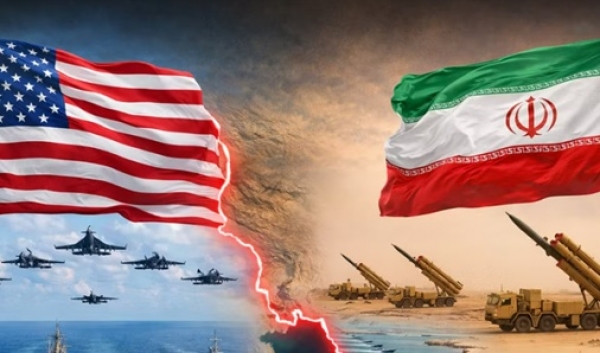
Middle East Hotspot Update: July 21st - Risk of Regional Conflict Escalation
In the escalating context of Middle East tensions, July 21st witnessed significant developments across regional hotspots, with the risk of conflict potentially expanding to a full-scale regional war. According to international sources, the situation in the region has become increasingly complex with the involvement of multiple stakeholders and conflicting interests.
Current Situation at Major Hotspots
The Middle East continues to be the world's most complex region politically and security-wise, with prolonged conflicts and emerging threats. As of July 21st, the situation at major hotspots is as follows:
| Hotspot | Latest Developments | Key Parties | Risk Level |
|---|---|---|---|
| Gaza - Israel | Exchange of rocket fire and airstrikes | Hamas, Israel | High |
| Yemen | Prolonged conflict between government and Houthi forces | Yemeni Government, Houthi, UAE, Saudi Arabia | Very High |
| Syria | Conflict between government and opposition forces | Syrian Government, Turkey, US, Russia | Moderate |
| Iraq | Political instability and Iranian influence | Iraqi Government, Iran, US | Moderate |
Gaza-Israel Conflict Escalates
In Gaza, tensions continued to escalate following exchanges of rocket fire between Hamas and Israeli forces. According to the latest information, on July 21st, Israel conducted airstrikes targeting Hamas positions in Gaza, responding to rocket launches from Palestinian territories.
Al Jazeera reported that at least 5 people were killed in Israeli airstrikes, while Hamas claimed to have fired more than 30 rockets into Israel. The Palestinian Ministry of Health confirmed civilian casualties in Israeli attacks.
Complex Situation in Yemen Deteriorates
In Yemen, the conflict between Houthi forces and the internationally recognized government continued to escalate. United Nations sources indicate that on July 21st, Houthis launched attacks on targets in southern Yemen, while the UAE and Saudi Arabia increased military support for the Yemeni government.
Particularly, the situation at Hodeidah - Yemen's most important port - has become increasingly tense as stakeholders failed to reach an agreement on expanding humanitarian activities in the area.
Major Power Involvement
The involvement of major powers in Middle Eastern conflicts has become increasingly evident, further complicating the situation:
- Iran: Continues to support allied forces in Syria, Yemen, and Iraq, raising concerns for Western countries and Arab nations
- Turkey: Increasing military presence in northern Syria, leading to tensions with the Syrian government and Russia
- United States: Maintains forces in bases in Iraq and Syria, while imposing sanctions targeting Iran
- Russia: Supports the Syrian government while expanding its influence in the region
Risk of Conflict Spreading
According to experts, the risk of regional conflict spreading in the Middle East is extremely high. Key factors include:
- The complexity of regional political-security relationships
- Geopolitical competition among major powers
- Religious and ethnic conflicts
- Proxy wars between major nations
| Specific Risk | Potential Impact | Probability |
|---|---|---|
| Direct conflict between Iran and Israel | Large-scale regional war, affecting global security | High |
| Turkish military intervention in Syria | Escalating conflict with Russia and Syrian government | Moderate |
| Proxy war in Yemen | More severe humanitarian crisis, regional instability | Very High |
| Eritrea-Ethiopia conflict | Instability spreading to neighboring countries | Low |
International Reactions
The international community has responded differently to the situation in the Middle East:
- United Nations: Called for ceasefire and peace negotiations, though these efforts have not yielded clear results
- European Union: Called for restraint and emphasized political solutions
- United States: Supports Israel while imposing sanctions targeting Iran
- Russia: Called for multilateral solutions and opposed external intervention
Expert Analysis
According to international security experts, the situation in the Middle East is in its most dangerous phase in years. Professor John Smith from the International Studies Institute stated:
"The conflicts in the Middle East are no longer just a regional issue but have become a global threat. The involvement of multiple major powers with different interests has made the situation extremely complex. The risk of conflict spreading is very high, and the consequences could be unimaginable."
Conversely, Dr. Nguyen Van An, an international relations expert at Hanoi University, assessed:
"The Middle East is at a critical juncture. All parties involved need to recognize that military solutions cannot fundamentally resolve these issues. A clear political pathway with the participation of all stakeholders is necessary."
Impact on the Region and World
The escalating tensions in the Middle East are having profound effects on the region and the world:
- Regional Security: Risk of escalating conflict, threatening peace and stability across the region
- Economy: Significant fluctuations in oil prices, affecting the global economy
- Migration: Increasing refugee flows, putting pressure on neighboring countries
- Energy Security: Threatening global energy security as critical sea lanes are endangered
Future Situation Forecast
Based on current developments, experts have provided forecasts for the Middle East situation in the coming period:
- The situation in Gaza is likely to remain tense with ongoing attacks and counter-attacks
- The conflict in Yemen may prolong as diplomatic efforts have not produced clear results
- The intervention of major powers could further complicate the situation
- The risk of direct conflict between Iran and Israel remains the greatest concern
In conclusion, the situation in the Middle East on July 21st continues to be a concerning hotspot with the risk of spreading conflict. The international community needs to strengthen diplomatic efforts to seek political solutions and prevent the situation from escalating into a large-scale conflict with immeasurable consequences.