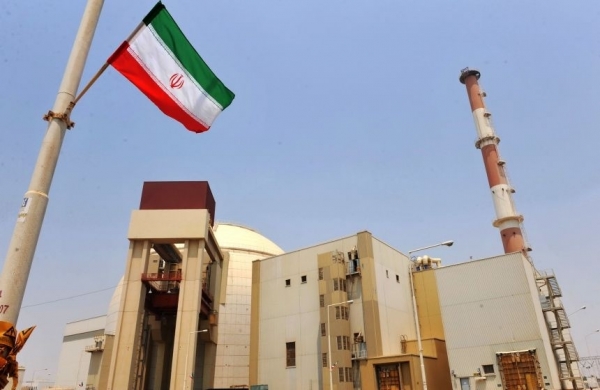
Iran Warns of Nuclear Safety Risks Following US Airstrike
Iran has issued a grave warning regarding potential nuclear safety hazards following a US airstrike targeting a nuclear power plant under construction in the country's southwestern Khuzestan province. The attack has raised significant concerns about the possibility of unintended nuclear incidents and has escalated tensions in an already volatile region.
The incident occurred at a particularly sensitive juncture in Iran's pursuit of nuclear energy to meet the nation's growing electricity demands. The targeted facility in Khuzestan represents a cornerstone project in Iran's broader energy development strategy, aimed at diversifying the country's energy portfolio and reducing dependence on fossil fuels.
Details of the Airstrike
The US airstrike, which took place under the cover of night, specifically targeted a nuclear facility that was still in the construction phase. According to Iranian officials, the precision strike caused significant damage to critical infrastructure components, potentially compromising the structural integrity of the facility.
International nuclear experts have expressed particular concern about the timing and nature of the attack. "Striking a nuclear facility during its construction phase presents unique risks," stated Dr. Elena Rodriguez, a nuclear safety analyst from the International Atomic Energy Agency. "Construction sites have different safety protocols compared to operational plants, and damage during this phase could create unforeseen hazards."
Iran's Official Response
In the immediate aftermath of the airstrike, Iranian government officials convened emergency meetings to assess the situation and formulate a response. The official statement from the Iranian government outlined multiple points of concern:
- Safety Implications: Iranian authorities emphasized that attacks on nuclear facilities could have catastrophic consequences, not only for the infrastructure but also for civilian populations in the surrounding areas. They warned of potential radiation leaks and long-term environmental damage.
- Legal Violations: Iran's Foreign Ministry issued a formal protest to the United Nations, asserting that the airstrike constituted a blatant violation of international nuclear safety conventions and the Geneva Protocol.
- Geopolitical Ramifications: Iranian leadership warned that such actions could destabilize the entire Middle East region, potentially triggering a wider conflict with unpredictable consequences.
International Reaction
The international community has responded with mixed reactions to the incident. While several Western nations have acknowledged concerns about Iran's nuclear program, they have generally refrained from commenting directly on the airstrike. Meanwhile, Russia and China have issued statements condemning the attack as a violation of international law.
The International Atomic Energy Agency (IAEA) has requested access to the damaged facility to conduct an independent assessment of the potential safety risks. "Our primary concern is ensuring that nuclear materials remain secure and that any potential risks to public safety are properly addressed," stated IAEA Director General Rafael Grossi in a formal statement.
Impact on Iran-US Relations
This incident represents a significant escalation in the already complex relationship between Iran and the United States. The two nations have been engaged in intermittent negotiations regarding Iran's nuclear program, with the US previously withdrawing from the Joint Comprehensive Plan of Action (JCPOA) in 2018.
Political analysts suggest that the airstrike could effectively dismantle any remaining diplomatic channels between the two countries. "When you attack a nation's critical infrastructure, especially something as sensitive as a nuclear facility, you're crossing a red line that's difficult to uncross," explained Dr. James Mitchell, a Middle East affairs expert at the Brookings Institution.
Future Implications and Scenarios
The following table outlines potential future scenarios based on current developments:
| Factor | Possible Outcomes |
|---|---|
| Nuclear Safety | Increased risk of accidents due to compromised infrastructure; potential for environmental contamination requiring international remediation efforts |
| Iran-US Relations | Complete breakdown of diplomatic relations; possible military escalation; withdrawal from remaining international agreements |
| Regional Stability | Heightened tensions across the Middle East; potential for proxy conflicts; increased militarization in the Persian Gulf |
| Global Energy Markets | Disruption of oil supplies from the region; increased volatility in energy prices; acceleration of global nuclear energy debates |
Iran's Nuclear Energy Program
Despite the setback, Iranian officials have reaffirmed their commitment to developing nuclear energy for peaceful purposes. "The attack will not deter us from pursuing our legitimate energy rights," stated Iranian President Ebrahim Raisi in a national address. "However, we will insist that all our nuclear facilities meet the highest safety standards."
Iran's nuclear program has been a point of contention for decades, with Western nations expressing concerns about potential weapons development. Iranian authorities maintain that the program is solely for civilian energy production and medical applications.
Expert Analysis
Nuclear security experts have raised several specific concerns regarding the damaged facility:
- The potential for structural weaknesses that could lead to accidents during future operations
- Risks associated with the handling and storage of nuclear materials at a compromised site
- The possibility of radiation leaks affecting local water sources and agricultural land
- Long-term implications for the surrounding communities' health and environment
"The aftermath of such an attack requires meticulous planning and international cooperation to ensure safety," commented Dr. Aisha Rahman, a nuclear safety consultant who previously worked with the IAEA. "Iran will need technical assistance to properly assess and address the damage, and the international community has a responsibility to help prevent a potential nuclear disaster."
Path Forward
In the coming weeks, several key developments will likely shape the trajectory of this situation:
- The IAEA's assessment of the damaged facility and its safety implications
- Iran's response regarding potential retaliation or diplomatic measures
- Reactions from other world powers and their potential mediation efforts
- The long-term impact on global non-proliferation efforts
This crisis underscores the delicate balance between national security concerns and international nuclear safety standards. As the situation continues to evolve, the international community faces the challenge of addressing legitimate security concerns while preventing actions that could lead to catastrophic nuclear incidents.
The incident serves as a stark reminder of the complex geopolitical dynamics surrounding nuclear energy and the critical importance of maintaining robust safety protocols even in times of heightened political tensions.