India Emerges as Global Leader in Long-Term LNG Imports by 2025
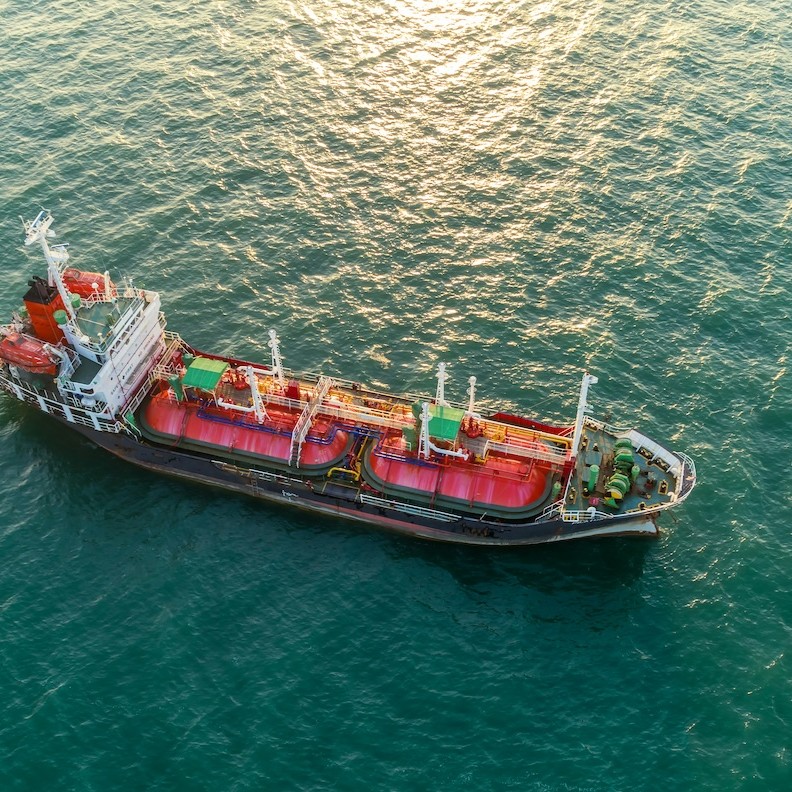
India Signs 8.4 Million Tons/Year in Long-Term LNG Contracts, Leading Globally
According to the 2026 annual report of the International Group of Liquefied Natural Gas Importers (GIIGNL), India has emerged as the world's most dynamic market for long-term LNG imports in 2025, with a total of 8.4 million tons per year contracted.
Last year, India commissioned its eighth LNG import terminal as the country plans to nearly double its share of natural gas in the energy mix to approximately 15% over the next decade.
Indian Entities Engaging in LNG Contracts
India was the most active final buyer last year, with a total of 8.4 MTPA (million tons per annum) contracts announced through six entities:
- IndianOil: 4.7 MTPA
- GAIL: 1 MTPA
- GSPC: 1 MTPA
- Torrent Power: 0.69 MTPA
- BPCL: 0.5 MTPA
- HPCL: Undisclosed
India's Energy Strategy
The volume of long-term supply contracts signed reflects "the adjusted expansion of import capacity driven by rising domestic gas demand," according to GIIGNL's report.
India's push to increase LNG imports is part of its strategy to diversify energy sources, gradually reducing dependence on coal and oil. The expansion of LNG infrastructure also aims to reduce greenhouse gas emissions, aligning with national commitments to combat climate change.
Global LNG Market Overview for 2025
The LNG industry experienced a particularly active year for long-term LNG contract signings in 2025, with 83 long-term sales and purchase agreements (SPAs) signed, nearly double the 47 recorded in 2024, according to the report.
New contract volumes announced reached 71.6 MTPA through 76 agreements, an increase of approximately 30% from the previous year. Short-term contract signings also increased from 7 to 13, while principle agreement (HOA) signings decreased from 21 to 12.
Market Trend Analysis
The significant increase in global long-term LNG contract signings "reflects the convergence of two structural forces: sustainable demand growth in major import markets, and the ongoing wave of liquefaction projects seeking purchase commitments to reach final investment decision (FID)," GIIGNL stated.
Impact of Middle East Crisis
Addressing the Middle East crisis and its impact on Qatari LNG supply, the group of LNG importers noted that the loss of Qatari vessels, due to Iranian missile attacks in March and Qatar's dependence on the open Hormuz Strait, is severely tightening the market.
"Short-term alternatives remain limited - supply from Atlantic and Pacific regions can only partially compensate for the missing Qatari vessels, and many Asian markets are already contracted and face high operating risk," GIIGNL stated, adding, "The supply consequences are significant across all disruption scenarios."
2025 LNG Market Data Overview
| Indicator | 2025 | 2024 | Change |
|---|---|---|---|
| Long-term Sales & Purchase Agreements (SPA) | 83 | 47 | +76.6% |
| New contract volumes (MTPA) | 71.6 | ~55.1 | +30% |
| Short-term SPAs | 13 | 7 | +85.7% |
| Principle Agreements (HOA) | 12 | 21 | -42.9% |
Future Outlook
With its new position as the world's most dynamic long-term LNG market, India is solidifying its standing as a key player in the global energy industry. The country's LNG infrastructure development and long-term energy strategy are likely to shape regional and global energy markets in the coming years.
Amid ongoing geopolitical tensions in the Middle East, LNG supply stability will be a critical factor for importing countries, particularly in Asia where energy demand continues to rise.