Kuwaiti Tanker Attacked in Strait of Hormuz, Brent Oil Prices Rise Above $90 Per Barrel
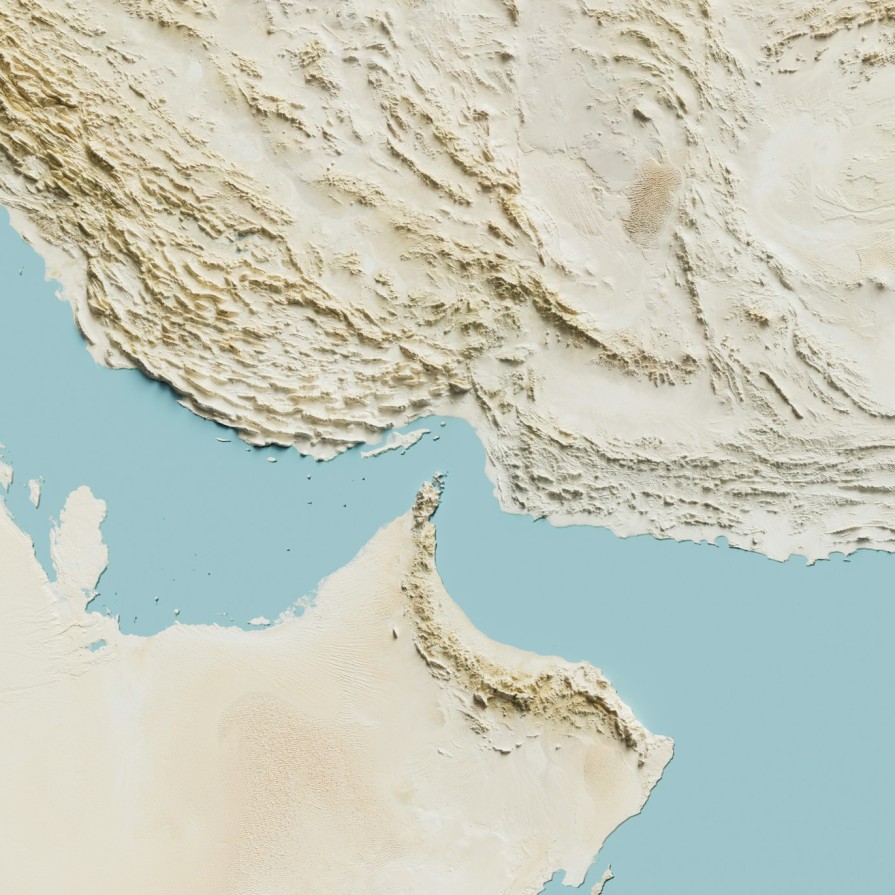
A Kuwaiti-owned oil tanker has come under attack in the Strait of Hormuz near Oman, as tensions escalate in the critical Middle Eastern maritime route, pushing Brent crude prices back above $90 per barrel. The incident highlights the increasing vulnerability of global energy supply chains to geopolitical conflicts in one of the world's most strategic waterways.
The Kaifan Tanker Incident
The Kaifan oil tanker, owned by Kuwait Oil Tanker Company S.A.K., was struck by unidentified projectiles in the Strait of Hormuz, according to information from risk consultancy EOS Risk Group as cited by Bloomberg.
The UK Maritime Trade Operations (UKMTO) reported on Tuesday morning that they had received notification of an incident approximately 8 nautical miles northeast of Limah, Oman. UKMTO received multiple reports indicating that an oil tanker had communicated via VHF channel 16 that it had been struck by unidentified projectiles in the Strait of Hormuz.
The vessel's Master reported to UKMTO that the crew had abandoned ship and were currently on lifeboats. UKMTO stated that there have been no reports of environmental impact from the incident.
Escalating Tensions in the Region
The latest incident comes as traffic through the Strait of Hormuz has nearly been paralyzed due to numerous Iranian attacks on vessels transiting the southern lane near Oman.
Ship operators have almost ceased attempts to transit the Strait of Hormuz since hostilities resumed over a week ago, when Iran began attacking and harassing vessels in the strategic waterway.
Last weekend, the Islamic Revolutionary Guard Corps Navy announced they had intercepted four vessels attempting to transit the Strait of Hormuz. These vessels had turned off their tracking transponders, and two of them "experienced accidents and were stopped," the Revolutionary Guards stated.
Table: Traffic Conditions for Oil Tankers in Strait of Hormuz
| Time Period | Traffic Conditions | Number of Vessels Attacked | Brent Oil Price (USD/barrel) |
|---|---|---|---|
| Before tensions escalated | Normal | 0 | ~85 USD |
| 1 week ago | Traffic significantly reduced | 4 vessels intercepted | ~85 USD |
| After Kaifan incident | Traffic paralyzed | 1 vessel attacked | >90 USD |
Impact on the Oil Market
Oil tanker traffic through Hormuz has dropped to its lowest level in two months, raising concerns about supply shortages during peak summer oil demand.
The Strait of Hormuz represents the world's most important maritime chokepoint, with approximately 30% of global seaborne oil trade passing through it. Disruptions in this region can have significant implications for the global energy market.
"The Strait of Hormuz is absolutely critical to global oil supplies," said energy analyst Dr. Michael Reynolds. "Any sustained disruption would immediately impact prices and could potentially trigger broader market volatility."
Deteriorating Regional Security Situation
The security situation in the region deteriorated further on Monday when Iran-aligned Houthi rebels in Yemen announced an immediate naval blockade of Saudi Arabia, effectively bringing the U.S.-Iran conflict directly to the southern entrance of the Red Sea and threatening the export route Riyadh uses to avoid disruptions in the Strait of Hormuz.
Table: Major Oil Shipping Routes in the Middle East
| Route | Importance | Current Risk Level | Potential Impact of Disruption |
|---|---|---|---|
| Strait of Hormuz | Critical (30% of global seaborne oil) | High | Sharp increase in oil prices |
| Red Sea | Moderate (approximately 10% of global seaborne oil) | Increasing | Increased shipping costs |
| Suez Canal | Moderate | Stable | Increased transit times |
Technology's Role in Maritime Security
The incident underscores the importance of advanced technology in modern maritime security. Oil tankers are now equipped with sophisticated monitoring systems, including:
- Automatic Identification Systems (AIS) and transponders for vessel tracking
- Emergency communication systems via VHF channels
- Remote monitoring capabilities through satellite technology
- Intrusion detection technologies
However, these systems can be disabled or circumvented, as evidenced by the Iranian interception of vessels that had turned off their transponders.
Economic and Geopolitical Implications
The attack on the Kuwaiti oil tanker occurs amid escalating geopolitical tensions between Iran and Western nations, particularly the United States. Control over strategic energy shipping routes has become a significant factor in regional tensions.
The rise of Brent crude prices above $90 per barrel demonstrates the market's strong reaction to supply disruption risks. This price level could impact global inflation and economic growth in many countries.
"Oil markets are extremely sensitive to geopolitical risks in the Middle East," said energy economist Dr. Sarah Jenkins. "With demand remaining strong and supply concerns growing, we could see prices continue to climb if the situation doesn't stabilize."
Conclusion
The attack on the Kaifan oil tanker in the Strait of Hormuz serves as a clear demonstration of the increasing instability in one of the world's most important maritime routes. The situation is becoming increasingly complex with the involvement of other stakeholders and expansion into neighboring areas like the Red Sea.
Oil shipping companies and maritime authorities will need to consider enhanced security measures, including the deployment of more advanced monitoring technologies to protect vessels from the growing threats in the region.
Meanwhile, the global energy market will continue to closely monitor developments, with the potential for further oil price increases if the situation remains uncontrolled. The stability of the Strait of Hormuz has become a critical factor in global energy security and economic stability.
#MaritimeSecurity #StraitOfHormuz #OilMarket #MiddleEastRegion #ShippingIndustry