Vietnam's Biofuel Development Path: Need for Consistent and Long-Term Policy Launchpad
In the context of global energy transition and the Net Zero 2050 commitment, biofuels are becoming a crucial pillar in Vietnam's sustainable energy development strategy. From the current stories of E5 and E10 gasoline, the biofuel development roadmap is opening up a strategic vision for a green energy future, reducing dependence on fossil fuels and contributing to environmental protection.
Current Status of Biofuels in Vietnam
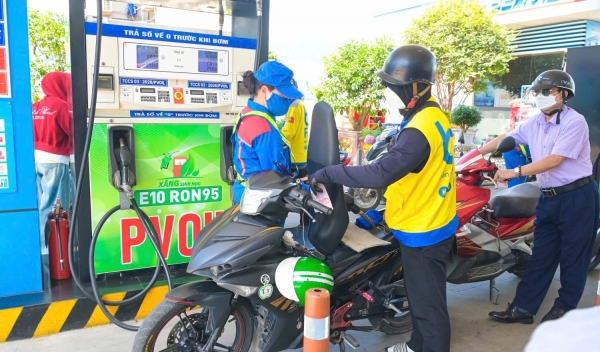
Vietnam has achieved remarkable progress in biofuel implementation. Since 2018, E5 gasoline (a blend of 5% ethanol) has been widely available, and more recently, E10 gasoline (a blend of 10% ethanol). As of now, the biofuel gasoline distribution network has covered all 63 provinces and cities, with over 2,000 gas stations participating in the program.
| Biofuel Type | Ethanol Ratio | Implementation Year | Distribution Network |
|---|---|---|---|
| E5 Gasoline | 5% | 2018 | Nationwide |
| E10 Gasoline | 10% | 2022 | 50 provinces and cities |
However, the current ethanol production capacity only meets about 30% of the biofuel market demand. This gap shows significant potential for growth but also presents challenges regarding raw material supply and production technology.
Strategic Vision and Multi-Dimensional Benefits
Developing biofuels brings clear economic, environmental, and social benefits. Economically, using biofuels helps reduce dependence on crude oil imports, saving approximately 1-2 billion USD annually. At the same time, it creates value chains for agriculture, generates jobs for millions of workers, and promotes regional economic development.
Environmentally, biofuels help reduce greenhouse gas emissions by 30-70% compared to fossil fuels, contributing to Vietnam's Net Zero 2050 commitment. Particularly in major cities like Hanoi and Ho Chi Minh City, the use of bio-gasoline has significantly improved air quality.
International Experience and Lessons for Vietnam
The world has many successful models in biofuel development. Brazil is a pioneer with its sugarcane ethanol program, meeting 50% of transportation fuel demand. The United States develops ethanol from corn, while the EU focuses on biodiesel from vegetable oils.
International experience shows that biofuel success depends on:
- Consistent and long-term government policies
- Investment in advanced technology
- Development of sustainable raw materials
- Market mechanisms and financial support
Implementation Reality in Vietnam: Advantages and Challenges
In Vietnam, biofuel implementation has achieved certain successes. However, many challenges still need to be addressed:
| Advantages | Challenges |
|---|---|
| Abundant raw materials (sugarcane, cassava, corn) | High production costs |
| Growing demand for clean energy | Suboptimal production technology |
| Government support policies | Inadequate distribution infrastructure |
| Gradually changing consumer mindset | Dependence on imported technology equipment |
Expert and Business Proposals
At recent specialized seminars, managers, experts, and businesses have jointly proposed key solutions to accelerate the biofuel development roadmap:
1. Policy Changes Needed
Building a coherent, stable, and long-term legal framework. Clear roadmaps for ethanol ratios in gasoline are needed, gradually increasing from E5 to E10, E20, and higher. At the same time, pricing and tax mechanisms should be adjusted to create competitive advantages for biofuels.
2. Investment in Technology and Research
Increasing investment in advanced ethanol production technology, especially second-generation cellulose technology. Developing pilot projects using organic waste and agricultural byproducts to produce biofuels.
3. Development of Sustainable Raw Materials
Diversifying raw materials, focusing on non-food competing crops like sugarcane, cassava, corn, and oil plants. Developing concentrated raw material areas using high technology to increase productivity and reduce costs.
4. Financing and Incentive Mechanisms
Establishing a biofuel development fund, supporting interest rates for investment projects. Creating tax and fee incentive mechanisms for biofuel production and business companies. Encouraging investment in gas station infrastructure.
5. International Cooperation
Strengthening cooperation with countries leading in biofuel development to learn from experience, transfer technology, and attract investment. Participating in international renewable energy organizations to enhance Vietnam's position.
Development Roadmap to 2030 and 2050
According to expert proposals, Vietnam's biofuel development roadmap should be divided into clear phases:
- 2023-2025: Complete the legal framework, expand the E5 and E10 gas station network; achieve a 10% ethanol ratio in total gasoline and diesel consumption.
- 2026-2030: Boost ethanol production from sustainable raw materials; test new-generation biofuels; achieve a 15-20% ethanol ratio in total gasoline and diesel consumption.
- 2031-2050: Develop second and third-generation biofuels; achieve a 30-50% ethanol ratio in total gasoline and diesel consumption; move toward the Net Zero goal.
Conclusion
Biofuels are not just a short-term solution but a strategic pillar for Vietnam's sustainable energy future. To realize this vision, the participation of the entire society is needed, with consistent and long-term policies from the government, innovation from businesses, and public support. Only then can Vietnam fully leverage biofuel potential, contributing to sustainable socio-economic development and environmental protection.