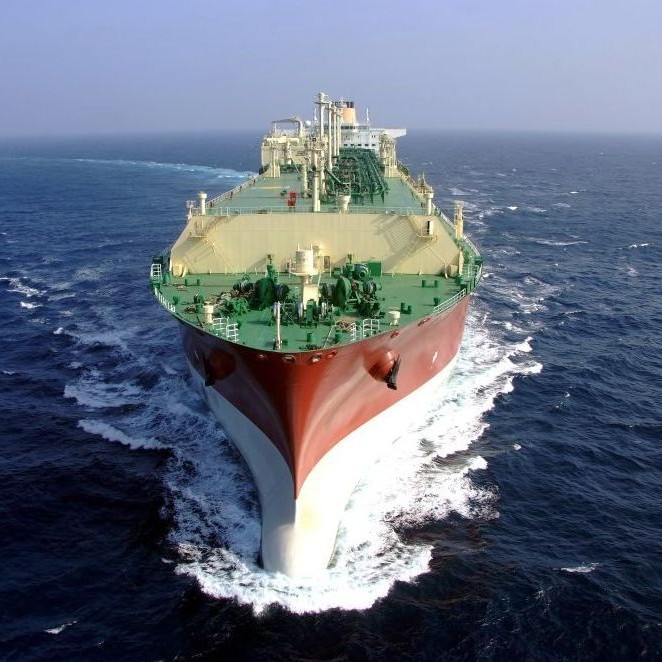
Natural Gas Prices Surge Amid Middle East Conflict
Escalating Tensions in Iran Drive Global Energy Markets to New Heights
As conflict in Iran intensifies, the effective closure of the Strait of Hormuz and the Bab el-Mandeb Strait has caused natural gas prices to skyrocket, particularly in European and Asian markets. According to industry statistics, Asia accounts for nearly 90% of liquefied natural gas (LNG) imports from major Middle Eastern producers such as Qatar and the UAE, while Europe imports between 7-11% of its total LNG supply from this region.
Current Market Situation
Natural gas prices in Europe have surged to their highest levels in four months amid concerns that the conflict between the United States and Iran could lead to supply shortages during the upcoming winter. According to information from The Guardian, the Dutch natural gas index has climbed above $60 per megawatt hour (MWh) on Monday, approaching the peak levels observed at the onset of the US-Iran conflict.
Pressure on European Gas Supplies
Analysts at Independent Commodity Intelligence Services (ICIS) note that European gas supplies are facing pressure this winter, with the conflict slowing the recovery of LNG exports from Qatar. They also warn that if natural gas prices remain above $60, government intervention may be necessary to ensure supply security.
| Time Period | European Gas Storage Levels |
|---|---|
| Current | Below 54% |
| Same Period Last Year | 64% |
LNG Export Disruptions
Since the conflict began on February 28, only 26 LNG shipments have left the Gulf region, compared to the normal rate of 90-100 per month. Prior to the outbreak of war, approximately 20% of the world's oil and gas passed through the Strait of Hormuz, while the Strait of Bab el-Mandeb typically received about 7% of global oil production.
Impact of the Conflict
Missile and drone attacks in spring 2026 affected LNG facilities at Ras Laffan. QatarEnergy estimates that repairs will result in approximately 12.8 million tons of LNG capacity being suspended for the next three to five years.
Impact on Asian Markets
Countries such as India, Bangladesh, and Taiwan have been severely affected by LNG supply shortages. According to a report by S&P Global, the increase in LNG prices has forced importers to turn to the spot market to find alternative supplies.
| Country | Reduction in LNG Imports (%) |
|---|---|
| Pakistan | -75% |
| South Korea | -10% |
| China | -8% |
Future of the LNG Market
Analysts predict that the development of the global LNG market will be significantly impacted by the situation in the Middle East. Before the conflict occurred, global LNG supply was expected to increase by 11% annually in 2026, but current predictions now indicate only 1% growth due to the loss of supply from Qatar and the UAE.
Industry Response and Adaptation
In response to these challenges, energy companies are exploring alternative routing options and increasing investments in LNG infrastructure outside the Middle East. Some European nations are accelerating their transition to renewable energy sources to reduce dependency on volatile fossil fuel markets.
Geopolitical Implications
The conflict has underscored the geopolitical significance of energy corridors and the vulnerability of global energy markets to regional instability. International energy agencies are calling for enhanced cooperation among energy-importing nations to develop strategic reserves and alternative supply routes.
Economic Consequences
The surge in natural gas prices is expected to have far-reaching economic consequences, potentially increasing energy costs for consumers and businesses worldwide. Industries heavily reliant on natural gas, such as manufacturing and electricity generation, may face significant operational challenges and increased production costs.
Conclusion
The conflict in Iran has reminded investors and policymakers of the critical importance of energy supply security. LNG importers will need to diversify their supply sources to mitigate risks from regional instability. As the global energy landscape continues to evolve, the development of resilient and sustainable energy systems remains paramount for economic stability and growth.
| Key Market Impact | Current Status |
|---|---|
| European Gas Prices | $60+ per MWh |
| European Storage Levels | Below 54% |
| LNG Shipments from Gulf | 26 (vs. normal 90-100) |
| Global LNG Growth Projection | 1% (vs. previous 11%) |