Natural Gas Prices in the Permian Basin: Current Situation and Future Prospects
In the first half of 2026, natural gas prices in the Permian Basin, one of the United States' premier oil-producing regions, have remained persistently negative for extended periods. The increased natural gas associated with oil extraction wells has left producers in a difficult position without adequate outlets for their product. They have been forced to flare gas within permitted limits or pay to process this unwanted byproduct.
Primary Causes of the Situation
For many years, the primary reason for persistently low local natural gas prices in the Permian Basin has been insufficient pipeline transportation capacity, which has not developed in tandem with the increasing gas production from oil wells. This situation occurs when operators increase production to meet higher demand from oil prices.
The Waha Hub Natural Gas Price Situation
During the first half of 2026, the spot price for natural gas at the Waha Hub, which reflects gas production in Midland and pipeline capacity constraints, averaged -$2.19 per million British thermal units (MMBtu). Notably, in late April, Waha prices hit a record low of -$7.95, more than $10 below the national price at Henry Hub, which stood at approximately $2.70 per MMBtu.
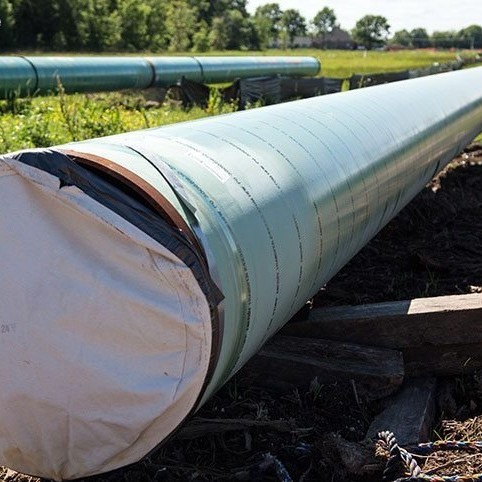
However, starting in June, natural gas prices at Waha turned positive and remained above $0 for over a month. The primary driver for this change was the startup of the expanded Gulf Coast Express (GCX) pipeline and Energy Transfer's new Hugh Brinson pipeline, although the maximum capacity of these pipelines will not be reached until March 2027.
Pipeline Expansion Projects
The new pipelines are designed to transport gas from Permian and Midland Basin eastward from Waha, providing access to consumption markets in East Texas, Katy Hub, and the Gulf Coast region, including LNG export facilities, power plants, storage assets, and industrial customers.
| Pipeline Development | Capacity (Bcf/d) | Timeline |
|---|---|---|
| Total US Capacity Addition | 44.9 Bcf/d | 2026-2027 |
| Texas Share | 29.7 Bcf/d | 66% of total |
Major Pipeline Projects in Texas
| Project Name | Expected Capacity (Bcf/d) | Operational Timeline |
|---|---|---|
| Hugh Brinson Pipeline | To be determined | Late 2026 |
| Rio Bravo Pipeline Project | To be determined | Late 2026 |
| Blackcomb Pipeline | To be determined | Late 2026 |
Future Outlook
According to the Dallas Fed Energy survey, executives believe that natural gas transportation capacity will be the primary limiting factor for their drilling operations in the Permian Basin over the next 12 months. Most executives at exploration and production companies focused on the Permian expect transportation constraints to be fully resolved by 2027.
- Resolution Timeline: 25% believe it will happen in Q1 2027.
- Prolonged Constraints: Over 10% think it won't happen before 2028, and approximately 7% say "never."
In the context of prolonged tensions in the Strait of Hormuz and high oil prices, additional constraints may emerge, encouraging drilling activity in the Permian Basin, where the majority of natural gas is an associated byproduct rather than the primary target of operators.
Market Implications
The negative pricing environment has significant implications for producers, who must either accept the negative prices, incur costs for flaring, or develop alternative solutions. Some companies have begun investing in gas processing facilities or negotiating long-term contracts to stabilize their gas revenues.
From a consumer perspective, the low gas prices in the Permian have created opportunities for industrial consumers and power generators in the region to secure extremely favorable pricing, potentially stimulating economic activity in areas with access to this infrastructure.
Broader Energy Market Context
The Permian Basin situation reflects a broader challenge in the U.S. energy infrastructure: the need to develop midstream infrastructure in tandem with upstream production. As the U.S. continues to increase its oil and gas production, particularly in shale formations, the adequacy of transportation infrastructure becomes increasingly critical.
The development of pipeline capacity not only affects local pricing but also has implications for national energy markets, export capabilities, and the overall balance between supply and demand across different regions.
Conclusion
The developments in the Permian Basin natural gas market highlight a complex situation where infrastructure development will determine the value and consumption potential of this natural resource in the future. The transition from negative to positive pricing following pipeline expansions demonstrates the critical role that infrastructure plays in energy markets.
As pipeline projects come online and transportation constraints ease, the Permian Basin is expected to become more integrated with national and international gas markets, potentially stabilizing prices and creating more opportunities for producers and consumers alike. However, the timeline for resolution remains uncertain, with some industry executives expressing concerns that constraints may persist longer than expected.
The situation serves as a case study for energy markets worldwide, demonstrating the challenges of balancing production growth with infrastructure development in an increasingly complex energy landscape.