The Ukraine Conflict's Economic Impact: Russia's Technology Sector Faces New Challenges
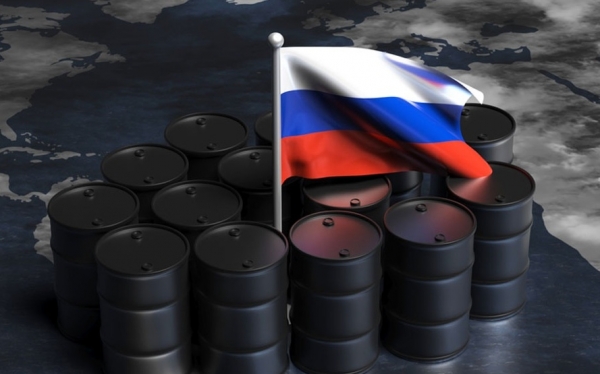
The ongoing conflict in Ukraine has triggered profound consequences that extend far beyond its borders, significantly affecting the economic and political landscape of Russia. In a striking turn of events, Russia, one of the world's leading oil-producing nations, found itself in the unexpected position of importing refined gasoline products in 2023. This paradoxical situation underscores the unprecedented challenges confronting Russia's industrial and technological sectors amidst international sanctions and shifting global dynamics.
Russia's Current Economic Landscape
Since the onset of the Ukraine conflict, Russia's economy has navigated treacherous waters, confronting substantial obstacles that have reshaped its industrial capabilities. Western economic sanctions have severely curtailed Russia's ability to export and produce oil, forcing a fundamental reconfiguration of its energy sector operations. According to economic analysts, these constraints have triggered a cascade of effects throughout Russia's technological infrastructure, from refining capabilities to distribution networks.
The sanctions, implemented in coordination with allied nations, have specifically targeted technologies essential for oil extraction, refining, and transportation. This technological isolation has created bottlenecks that even a resource-rich economy like Russia's struggles to overcome quickly.
The Paradox of Gasoline Imports
Despite possessing vast oil reserves and sophisticated extraction capabilities, Russia was compelled to import refined gasoline during 2023. This unexpected development stems from a confluence of factors that have disrupted traditional supply chains and processing capabilities:
- International Economic Sanctions: Western restrictions have limited Russia's access to advanced refining technologies and components, reducing the efficiency of domestic refineries.
- Reduced Domestic Demand: Economic contraction has diminished domestic consumption, creating a complex balance between production capacity and actual need.
- Logistical Complications: Sanctions have disrupted transportation networks, increasing costs and creating inefficiencies in moving both crude oil and refined products.
- Brain Drain: The emigration of skilled technicians and engineers has hampered the maintenance and optimization of refining infrastructure.
- Supply Chain Disruptions: Difficulty in obtaining specialized chemical additives and refining catalysts has further constrained production capabilities.
Impact on Russia's Energy Sector
Russia's energy industry has borne the brunt of international sanctions, experiencing significant operational and technological challenges. The effects permeate multiple aspects of the sector:
| Factor | Impact on Energy Sector |
|---|---|
| Oil Prices | Despite elevated global oil prices, Russia's profit margins have been compressed due to discounted pricing on limited export markets and increased operational costs. |
| Export Capabilities | Reduced access to European and North American markets has forced Russia to redirect exports to Asia at lower prices and under less favorable terms. |
| Technology Access | Limited access to Western technology has slowed modernization efforts and increased maintenance costs for existing infrastructure. |
| Foreign Investment |
Technological Adaptation and Innovation
In response to these challenges, Russia's technology sector has been forced to accelerate domestic innovation and adaptation. The nation's industrial enterprises have undertaken several strategic initiatives to maintain operations despite external constraints:
- Domestic Technology Development: Increased investment in homegrown technologies to replace imported components and systems.
- Supply Chain Diversification: Building relationships with non-Western suppliers and creating alternative logistics networks.
- Industrial Repurposing: Converting facilities previously dependent on Western technology to operate with domestically available alternatives.
- Workforce Retraining: Implementing extensive training programs to adapt workers to new technologies and processes.
Future Outlook for Russia's Technology and Energy Sectors
The long-term implications of the Ukraine conflict will continue to shape Russia's technological landscape for years to come. The nation faces critical decisions regarding economic recovery and energy sector sustainability. Strategic pivots in business models and investment priorities will be essential for navigating this challenging period.
As the conflict persists, analysts emphasize that Russia must implement decisive measures to stabilize its economy and maintain technological competitiveness. The energy sector, in particular, requires innovative solutions to overcome current limitations and position itself for future growth in an evolving global market.
Meanwhile, Russia's technology sector faces the dual challenge of immediate adaptation while planning for long-term technological independence. This balancing act will determine the nation's industrial resilience in the face of prolonged international isolation.
The situation highlights the complex interplay between geopolitics, economics, and technological capability in the modern world. As Russia seeks to navigate these challenges, the global community watches closely, aware that the outcomes will extend beyond national borders to influence international energy markets and technological development trajectories.