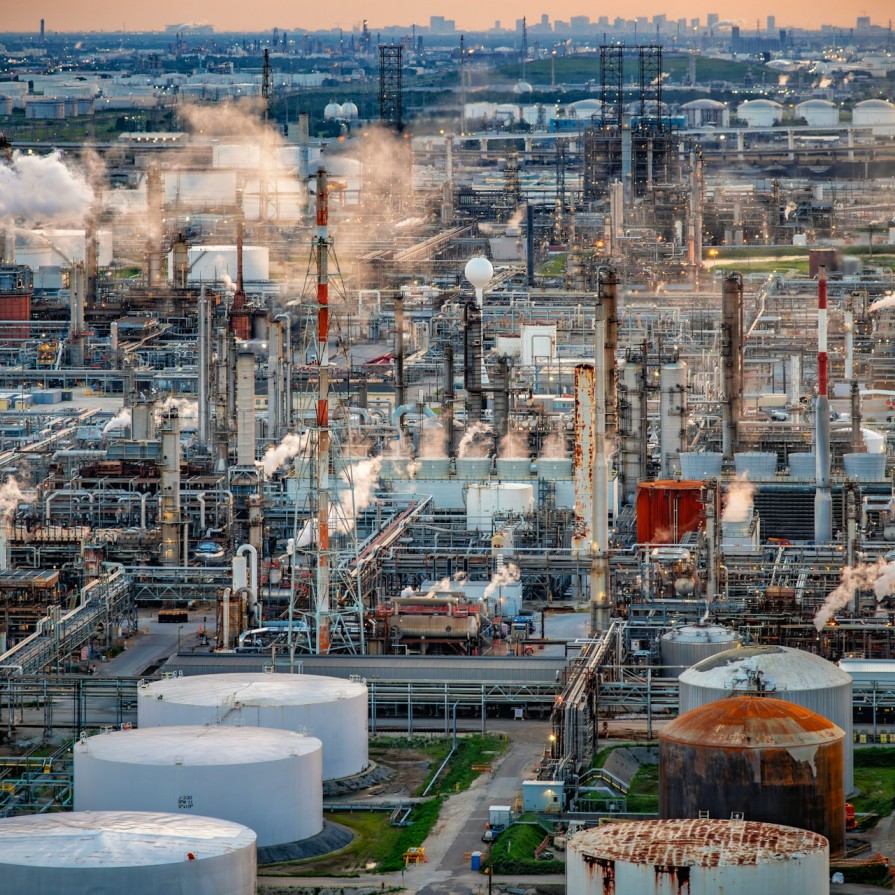
US Refinery Operations at Maximum Capacity as Global Fuel Market Faces Unprecedented Strain
In the context of increasingly strained global fuel markets, refineries across the United States are operating at near maximum capacity for consecutive weeks, with fuel exports reaching record highs. This surge occurs as critical regions in the Middle East face potential conflict risks and the Strait of Hormuz faces closure threats, causing severe supply shortages worldwide.
Current Status of US Refinery Operations
According to data from the US Energy Information Administration (EIA), the average utilization rate of refineries nationwide reached 96.2% as of the week ending July 17—the latest reporting period. This figure represents an increase from 94.7% during the same period in 2024, indicating a significant rise in fuel production activities.
The EIA's Weekly Petroleum Status Report, released last Tuesday, revealed that while the national average remained just above 96%, two critical regions—the Midwest (PADD2) and Rocky Mountains (PADD4)—were operating at full 100% capacity. This demonstrates that the US refining industry is pushing production to maximum levels to meet both domestic demand and export requirements.
| US Refinery Capacity Utilization Statistics | 2025 | 2024 |
|---|---|---|
| National Average | 96.2% | 94.7% |
| Midwest Region (PADD2) | 100% | 98.5% |
| Rocky Mountains Region (PADD4) | 100% | 97.2% |
Record Fuel Exports from the United States
The increase in refinery operations coincides with record-high fuel exports from the United States. According to analysts, the surge in fuel exports represents a direct response to global supply shortages, particularly in Asian and European markets.
US Fuel Export Performance:
- Gasoline: Increased by 15% compared to the same period last year
- Diesel: Increased by 22% compared to the same period last year
- Liquefied Petroleum Gas (LPG): Increased by 18% compared to the same period last year
Concerningly Low Oil Reserves
Notably, despite the significant increase in production, US commercial oil inventories remain 6% below the five-year average for this period, despite showing an increase in the most recent week.
Other key inventory points are also at record lows:
- Cushing, Oklahoma inventories: At multi-year lows
- Strategic Petroleum Reserve (SPR): At its lowest level in 40 years
The combination of refineries operating at maximum capacity, low oil reserves, and record export levels makes the US fuel market highly vulnerable to sudden disruptions such as hurricanes or refinery outages.
Escalating Fuel Prices
In a sign of increasingly strained market conditions, US wholesale diesel futures have risen by 26% so far in July alone, according to data compiled by Financial Times.
| Fuel Market | Price Change in July | Current Price |
|---|---|---|
| US Diesel | +26% | $3.15/gallon |
| US Gasoline | +18% | $2.85/gallon |
| European Diesel | +31% | €1.05/liter |
Growing Global Tensions
Global refining margins for gasoline and diesel have reached record highs amid escalating tensions in the Middle East, Russia's diesel export bans, and declining global fuel inventories.
Asian refineries, which had anticipated abundant crude oil supplies from the Middle East for August, now face potential delivery delays due to escalating conflicts, potentially disrupting their plans to increase crude processing rates in the coming weeks.
While US and European refineries are operating near capacity, Asian refineries may not see the production increases they expected, as loading and delivery schedules for July and August have been disrupted by escalating conflicts in the Middle East.
Market Implications and Future Outlook
The current fuel market situation presents a complex picture with increased production in the US but simultaneously low reserves and rising geopolitical risks. With refineries operating at maximum capacity and reserves at low levels, both the US and global fuel markets remain highly vulnerable to any disruptions.
The rising fuel prices and refining margins indicate a market experiencing supply shortages, particularly in regions dependent on exports from the Middle East. Analysts predict this situation may continue in the short term, especially if tensions in the Middle East continue to escalate.
Energy market experts suggest that the current tight market conditions could persist through the third quarter of 2025, with potential relief only possible if geopolitical tensions ease or alternative supply sources emerge. The US refining industry's ability to maintain high operational levels will be critical in balancing global supply and demand during this period of unprecedented market strain.