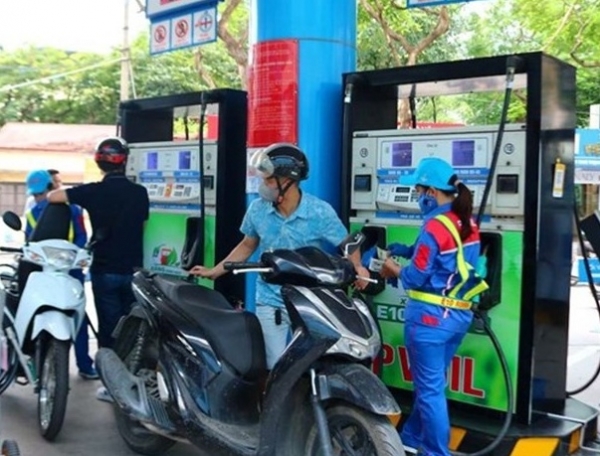
Granting Pricing Autonomy to Enterprises: How the Vietnamese Fuel Market Will Transform
The proposal by Vietnam's Ministry of Industry and Trade to grant pricing autonomy to businesses in the oil and fuel sector represents a significant shift in market regulation, moving toward a competitive mechanism driven by market signals. If approved, this policy will not only enable businesses to operate more independently but could also transform how fuel prices are formed, while simultaneously raising higher requirements for state supervision and management.
Background and Content of the Proposal
Currently, Vietnam's fuel market operates under a base price mechanism managed by the state, with fuel prices adjusted monthly on a fixed cycle. However, against the backdrop of an increasingly developed market economy and deep international integration, the Ministry of Industry and Trade is considering a proposal to grant pricing autonomy to fuel trading businesses.
According to the proposal, enterprises would have the authority to determine retail fuel prices based on the base price published by the Ministry of Industry and Trade, plus applicable taxes, fees, business costs, and reasonable profit margins. This mechanism would allow businesses to flexibly adjust selling prices daily based on market fluctuations, enabling a faster response to global supply and demand changes.
Impact on Fuel Businesses
Granting pricing autonomy will bring numerous benefits to fuel trading businesses:
- Increased operational autonomy and faster adaptation to market fluctuations
- Healthier competition among businesses
- Incentives for cost optimization and operational efficiency improvement
- Motivation to enhance service quality to attract customers
However, businesses will also face new challenges:
- Risks from global price volatility
- Intensified competitive pressure
- Higher requirements for information transparency
- Greater responsibility to consumers and society
Impact on Consumers
For consumers, the pricing autonomy mechanism could present both opportunities and challenges:
| Opportunities | Challenges |
|---|---|
| Potentially more competitive prices among businesses | Daily price fluctuations may complicate budget planning |
| Improved customer service to attract users | Risk of price gouging during periods of high demand |
| Diversification of products and accompanying services | Difficulty in tracking and comparing prices |
Requirements for State Management
One of the most concerning aspects when granting pricing autonomy is ensuring that the market operates transparently, fairly, and protects consumer rights. The Ministry of Industry and Trade will need to strengthen the following measures:
- Establishing a clear legal framework regarding conditions and scope of pricing autonomy
- Enhancing market monitoring and inspection to detect speculation and price gouging
- Requiring businesses to disclose transparent information about prices and costs
- Developing adjustment mechanisms for market intervention when necessary to ensure stability
- Implementing automated price monitoring systems for continuous tracking of price fluctuations
International Experiences
Many countries worldwide have implemented fuel pricing autonomy mechanisms with varying results:
- Thailand: Allows businesses to determine selling prices while maintaining flexible tax and fee adjustment mechanisms
- Malaysia: Applies a base price mechanism but permits fluctuations within certain limits
- Indonesia: Completely abandoned price controls but provides subsidies for vulnerable groups
International experience shows that while pricing autonomy mechanisms make markets more flexible, strict state management is still necessary to ensure social stability and protect consumers.
Development Direction for Vietnam's Fuel Market
Granting pricing autonomy to businesses is expected to contribute to the development of Vietnam's fuel market in the following directions:
- Leveraging the leading role of state-owned enterprises while creating a fair competitive environment
- Attracting investment in infrastructure, technology, and development of clean fuel products
- Enhancing the competitiveness of Vietnamese enterprises in the context of international integration
- Ensuring energy security and macroeconomic stability
Conclusion
Granting businesses the authority to independently determine fuel prices is a necessary step to perfect the market economy institutional framework, creating conditions for enterprises to operate proactively and flexibly. However, for this policy to succeed, an appropriate implementation roadmap is needed, along with strengthened management and supervision to ensure the market operates transparently, fairly, and protects consumer rights.
The new pricing mechanism will reshape Vietnam's entire fuel market, creating both opportunities and challenges for all stakeholders. The success of this policy depends on thorough preparation and close coordination between regulatory authorities, businesses, and consumers.