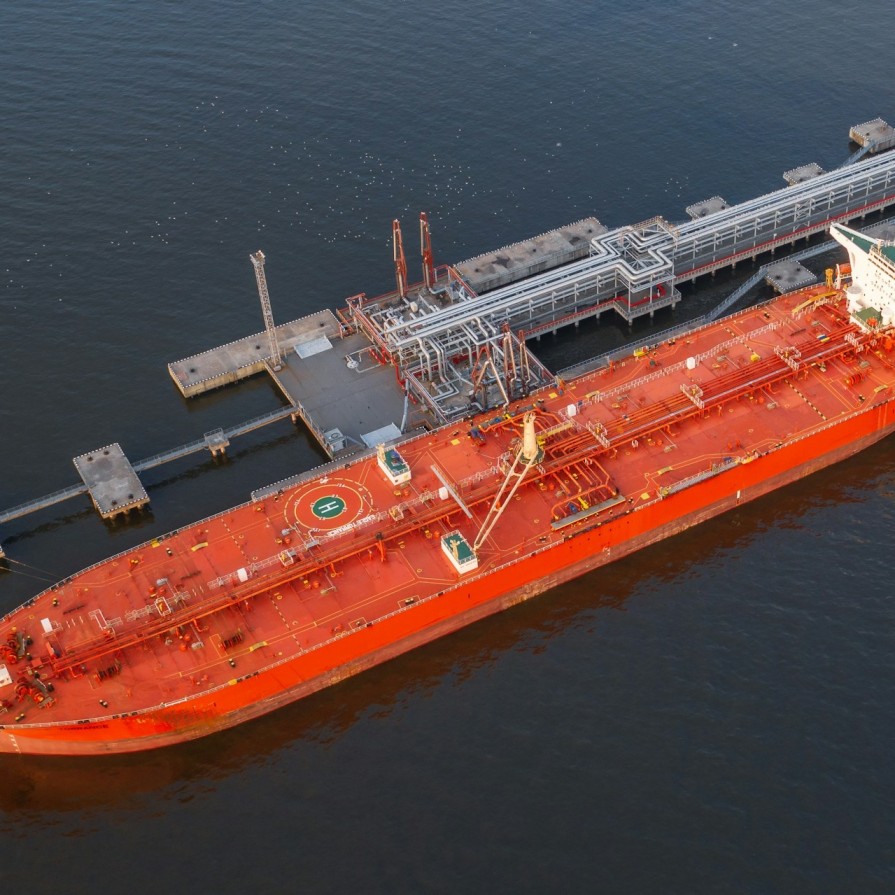
ADNOC Issues Seventh Tender Amid Geopolitical Risks in Hormuz and Red Sea
The Abu Dhabi National Oil Company (ADNOC) has issued its seventh tender to supply crude oil from the United Arab Emirates (UAE) since the beginning of June, with expectations of selling millions of barrels between August and October. The shipments will originate from both within and outside the Persian Gulf, demonstrating the company's continued commitment to maintaining global energy supplies despite regional tensions.
Global Supply Context Amid Regional Instability
Despite recurring threats to oil supplies through the Strait of Hormuz and emerging challenges to shipping in the Red Sea due to Houthi forces affiliated with Iran in Yemen, ADNOC is proceeding with its tender schedule. The company has invited interested parties to bid before next mid-week for crude oil deliveries scheduled from August to October, according to Reuters reports citing commercial sources.
This continued operation comes at a time when global energy markets are closely monitoring developments in the Middle East, a region critical to worldwide oil supplies. The Strait of Hormuz, a vital chokepoint through which approximately 20% of global oil production passes, has faced intermittent disruptions, while the Red Sea has seen increased security concerns affecting maritime routes.
Significant Export Volumes
ADNOC has reportedly sold more than 74 million barrels of crude oil to customers in previous tenders since early June. This substantial volume underscores the company's role as a key global oil supplier and its ability to maintain export operations despite regional challenges. The company has implemented specialized logistics solutions, including operating a shuttle service to transport oil to tankers positioned outside the Strait of Hormuz, thereby mitigating potential transit risks.
Seventh Tender Details
In the latest tender, Abu Dhabi's state-owned oil producer has implemented an automatic rejection mechanism for any bids from buyers offering lower price differentials. This approach reflects ADNOC's confidence in market demand for its crude oil grades and its strategic positioning in the global energy market.
The tender includes various delivery options to accommodate different buyer preferences and logistical considerations. This flexibility has become increasingly important as global oil buyers seek to diversify their supply sources and mitigate risks associated with transit through potentially volatile regions.
Cargo Specifications and Delivery Options
ADNOC is offering cargoes from multiple UAE ports, including Zirku and Das Island in the Persian Gulf, as well as Fujairah port located outside the Gulf. Additionally, the company is facilitating ship-to-ship transfers offshore Fujairah or Malaysia, providing buyers with enhanced flexibility in their logistics planning.
This multi-port strategy allows ADNOC to maintain export volumes even if certain routes face disruptions, demonstrating the company's adaptive approach to regional challenges. The inclusion of Fujairah, located on the Gulf of Oman, provides an alternative route that bypasses the Strait of Hormuz entirely, significantly reducing transit risks.
UAE's Production Surge
Before renewed conflicts intensified in the Middle East, the UAE was estimated to have produced 4.1 million barrels of oil per day (bpd) in June, reaching the highest production level in the country's history. This marked a significant increase from the 3.3 million bpd recorded in May, according to estimates from the International Energy Agency (IEA).
The UAE's crude oil production surge followed the country's formal exit from OPEC effective May 1, which freed the nation to increase production and pursue greater export volumes beyond traditional Middle Eastern markets. This strategic shift has positioned the UAE as a more flexible and responsive player in the global oil market.
Strategic Adaptations to Regional Challenges
The UAE has implemented several strategic adaptations to maintain its oil export capabilities amid regional challenges. These include optimizing tanker operations at maximum capacity and diversifying delivery points for its crude oil grades. The country has increasingly utilized offshore Fujairah and Sohar in Oman as delivery locations outside the Strait of Hormuz.
This logistical flexibility has become a critical component of the UAE's energy strategy, allowing the country to maintain export volumes even when traditional routes face disruptions. The development of alternative delivery infrastructure represents a long-term investment in energy security and market resilience.
Market Implications and Future Outlook
ADNOC's continued issuance of tenders despite regional tensions signals confidence in both the company's operational capabilities and global oil demand. The UAE's ability to increase production while maintaining export flexibility positions it favorably in the evolving global energy landscape.
As geopolitical tensions in the Middle East continue to evolve, energy markets will closely monitor how ADNOC and other regional producers adapt their strategies. The company's success in maintaining supply reliability through alternative routes and diversified delivery options may set a precedent for other oil exporters facing similar challenges.
| Time Period | Production (bpd) | Exported Oil Volume (million barrels) |
|---|---|---|
| May | 3.3 million | Estimated data not yet available |
| June | 4.1 million | 74 million |
The developments surrounding ADNOC's seventh tender and the UAE's strategic adaptations highlight the complex interplay between geopolitical risks and global energy markets. As the company continues to navigate regional challenges while expanding its market presence, its actions will likely influence both short-term oil pricing and long-term energy security strategies worldwide.
Energy industry analysts will be watching closely to see how ADNOC balances production targets with risk mitigation in the coming months, particularly as the company works to capitalize on its increased production capacity while maintaining the flexibility that has become essential in today's volatile energy environment.