China's Crude Oil Imports Surge: Implications for Global Energy Markets
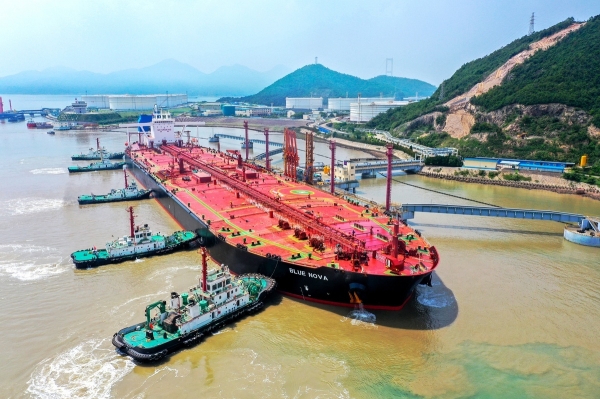
As the world's largest consumer of oil, China is currently experiencing a remarkable surge in crude oil imports that is sending ripples across global energy markets. According to data from Kpler, a leading maritime analytics firm, China's crude oil imports are estimated to reach approximately 7-8 million barrels per day in the current month. This significant increase not only reflects China's domestic energy demands but also carries profound implications for the international oil market dynamics.
Factors Driving China's Import Surge
Several interconnected factors are contributing to this notable increase in China's crude oil imports:
- Domestic Consumption Demand: China's economic recovery and industrial expansion continue to fuel robust demand for petroleum products. The manufacturing sector, transportation networks, and growing consumer consumption patterns are all placing greater pressure on the country's oil supply infrastructure.
- Favorable International Prices: The current decline in global oil prices has created an opportune environment for China to increase its imports. State-owned and independent oil companies are capitalizing on lower prices to build strategic inventories and optimize their procurement strategies.
- Strategic Reserve Policies: The Chinese government is actively expanding its strategic petroleum reserves as part of its long-term energy security strategy. This national initiative involves both government-controlled reserves and commercial stockpiling by designated enterprises.
Global Market Implications
The substantial increase in China's crude oil imports is reverberating throughout the global energy landscape, with several potential consequences:
- Price Pressure: The heightened demand from China is exerting upward pressure on global oil prices. This price movement affects not only major oil-producing nations but also consumer economies worldwide, potentially influencing inflation rates and monetary policy decisions.
- Competitive Dynamics Among Producers: Major oil-exporting countries including the United States, Russia, and Saudi Arabia are closely monitoring China's import patterns. These nations may adjust their production quotas and export strategies to maintain or expand their market share in the world's largest oil importing nation.
- Supply Chain Restructuring: China's increased purchasing activity is prompting significant shifts in global oil logistics and supply chains. Traditional trade routes are being reassessed, while new partnerships and transportation infrastructure developments are emerging to accommodate the changing demand patterns.
Future Outlook and Expert Analysis
Industry analysts project that China will maintain elevated levels of crude oil imports in the coming months, with the post-COVID-19 economic recovery serving as a primary driver of this trend. The International Energy Agency (IEA) has noted that China's oil demand growth is expected to outpace other major economies, reinforcing the country's pivotal role in global oil markets.
"China's import patterns have become a critical barometer for global oil market health," noted Zhang Wei, senior energy analyst at the China Energy Research Institute. "The current surge reflects not just immediate economic activity but also strategic positioning in anticipation of future market developments."
The Chinese government's dual emphasis on economic growth and energy security suggests that import levels will remain elevated, though potential fluctuations may occur based on seasonal demand variations, geopolitical developments, and global economic conditions.
| Month | Crude Oil Import Volume (Million Barrels/Day) |
|---|---|
| January | 7.5 |
| February | 7.8 |
| March | 7.6 |
| April | 8.0 |
Broader Economic Context
China's crude oil import patterns are increasingly intertwined with its broader economic strategy and geopolitical positioning. As the country continues its transition toward a more consumption-driven economy, the composition and sources of its oil imports are evolving. While traditional suppliers like Saudi Arabia, Russia, and Angola remain important, China is diversifying its import sources to include African nations, Latin American producers, and increased volumes from the Americas.
The energy transition also plays a role in China's oil import strategy. While China is simultaneously investing heavily in renewable energy sources and electric vehicle infrastructure, its immediate energy demands continue to be primarily satisfied by fossil fuels. This dual approach creates a complex landscape where oil imports remain strategically important even as the country pursues long-term decarbonization goals.
Conclusion
China's current surge in crude oil imports represents more than just a short-term market fluctuation—it reflects fundamental shifts in global energy consumption patterns and economic dynamics. As the world's largest oil importer continues to expand its purchasing volumes, the international oil market will need to adapt to this sustained demand while simultaneously navigating the broader energy transition.
Market participants, policymakers, and industry stakeholders will continue to closely monitor China's import data, recognizing that these figures provide critical insights into both China's economic trajectory and the health of the global energy system. The coming months will likely see continued attention on how China's oil import patterns evolve and what this means for producers, consumers, and the broader geopolitical landscape.