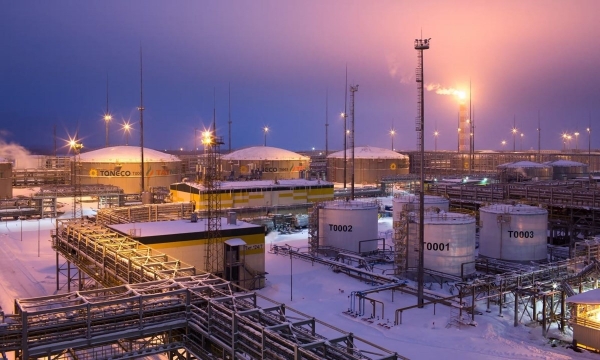
Russian Fuel Crisis Shows Signs of Cooling as Refineries Resume Operations
Moscow, Russia - The prolonged fuel crisis that has gripped Russia for several months is showing signs of abatement as key domestic refineries have begun resuming operations, raising hopes for supply stability amidst ongoing global energy market volatility.
Background of the Russian Fuel Crisis
In recent months, Russia has faced a severe fuel shortage, particularly in the western and central regions of the country. This crisis stemmed from multiple factors, including:
- International sanctions following the country's special military operation in Ukraine
- Disruptions in the supply chain for equipment and spare parts
- Skilled labor shortages in the refining sector
- Issues with aging energy infrastructure
The consequences included long lines of trucks waiting for fuel, numerous gas station closures, and skyrocketing fuel prices in the hardest-hit areas.
Signs of Improvement from Refineries
According to the latest information from Russia's Ministry of Energy, at least 5 out of 15 major refineries in the country have resumed operations, operating at approximately 70-80% of normal capacity. This is considered a significant turning point in addressing the fuel crisis.
"We have successfully resolved technical issues at several key refineries," said Igor Sechin, CEO of Rosneft, Russia's largest energy company. "This is the result of coordinated efforts between the government, businesses, and technical experts."
Impact on Global Energy Markets
The recovery of Russian refineries is having a notable impact on global energy markets:
| Period | Brent Oil Price (USD/barrel) | Russian Output (million barrels/day) | Market Condition |
|---|---|---|---|
| January 2023 | 87.5 | 9.2 | Severe crisis |
| March 2023 | 78.3 | 8.5 | Limited improvement |
| May 2023 | 74.8 | 9.8 | Improving |
Analysts predict that oil prices may continue to decline slightly in the short term due to improved supply from Russia. However, long-term impacts remain uncertain, particularly with ongoing political tensions and sanctions.
Solutions Implemented
The Russian government has implemented a series of measures to address the fuel crisis:
- Focusing resources on repairing and maintaining refineries
- Prioritizing fuel distribution to key regions
- Cooperating with allied countries to ensure replacement equipment supplies
- Adjusting tax policies to encourage domestic production
"We are making every effort to stabilize the domestic fuel market before summer, when consumption demand increases," said Russian Energy Minister Nikolai Shulginov.
Future Outlook
Despite positive signs, experts warn that a complete resolution to Russia's fuel crisis may take several more months. Key challenges include:
- Limited replacement of damaged equipment due to sanctions
- Shortage of highly skilled personnel
- Pressure from international sanctions
However, the recovery of refineries is seen as a significant step, helping Russia gradually stabilize its energy sector and mitigate negative impacts on its population and economy.
Conclusion
The cooling of Russia's fuel crisis offers hope for market stability both domestically and internationally. However, the situation remains fluid and requires close monitoring. The recovery of refineries demonstrates the adaptability and resilience of Russia's energy sector in the face of substantial challenges.