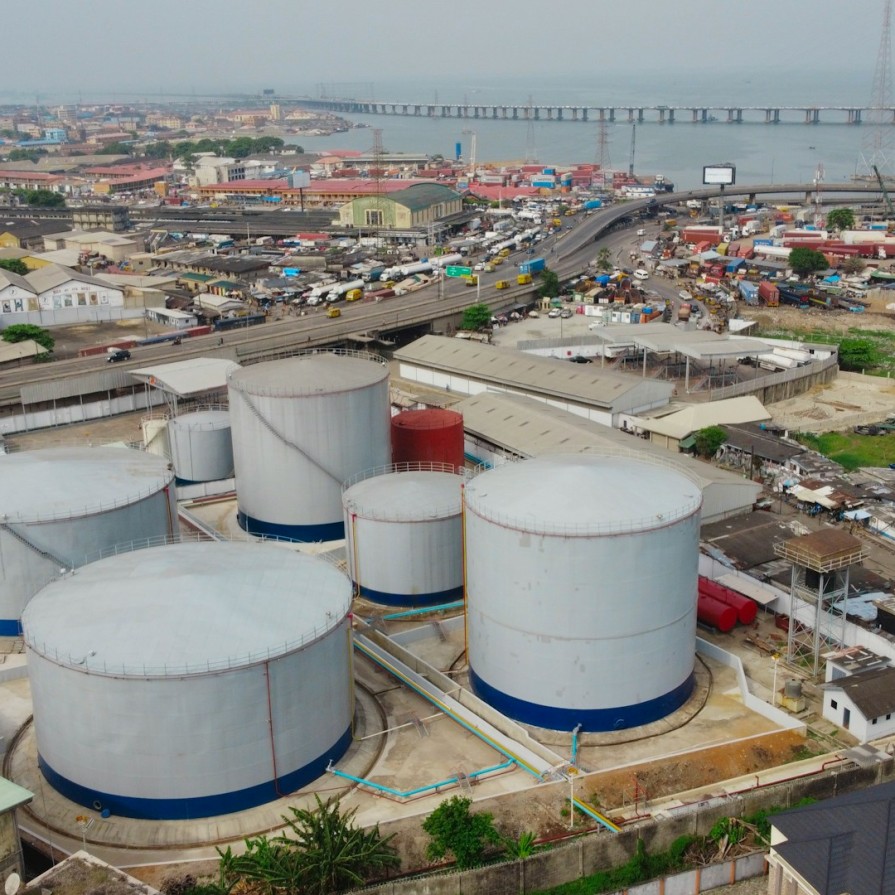
Nigeria Achieves Highest Crude Oil Production in 15 Months
Nigerian Oil Production Surpasses OPEC Quotas as Africa's Largest Producer Increases Output to Meet Global Demand
According to data from the Nigerian Upstream Petroleum Regulatory Commission (NUPRC), Nigeria's oil production has reached its highest level in 15 months during May 2026, as the continent's top producer continues to ramp up output amid global supply challenges.
Nigeria pumped 1.53 million barrels per day (bpd) of crude oil last month, the highest level since January 2025. The African nation is now producing at its ceiling under OPEC agreements, after years of failing to reach such levels due to vandalism, oil theft, and pipeline leaks.
Exceeding OPEC Quotas
Indeed, Nigeria produced 102% of its OPEC quota of 1.5 million bpd in May, slightly exceeding the ceiling. Few would blame the nation for exceeding its quota amid the current global supply crisis.
Combined with condensate production of 170,446 bpd, Nigeria's total crude oil and condensate production reached an 11-month high of 1.7 million bpd in May. The last time Nigeria averaged more than 1.7 million bpd of crude oil and condensate over an entire month was in July 2025.
| Month | Crude Oil Production (bpd) | Condensate Production (bpd) | Total Production (bpd) | Percentage of OPEC Quota |
|---|---|---|---|---|
| February 2026 | 1,480,000 | No data | 1,480,000 | 98.7% |
| May 2026 | 1,530,000 | 170,446 | 1,700,446 | 102% |
Sustainable Growth Trend
Nigeria has demonstrated sustainable growth in crude oil and condensate production since the beginning of this year. Total oil production increased from 1.48 million bpd in February to 1.7 million bpd in May, according to data published by NUPRC.
Nigeria has struggled to pump to its quota in recent years due to vandalism that frequently led to force majeure situations at major export terminals.
Crackdown on Oil Theft and Vandalism
However, with a recent crackdown on oil theft and vandalism in the Niger Delta, Nigeria has been able to increase crude oil production and is targeting further growth by 2030.
Nigeria is actively increasing crude oil production to address major global supply disruptions caused by the ongoing conflict in Iran, with authorities now targeting an additional 100,000 barrels per day in the short term to capture the widening supply gap.
Future Production Plans
The Nigerian National Petroleum Company (NNPC) plans to increase oil production to 2 million bpd in the next two years, NNPC's Upstream Executive Vice President Udy Ntia announced in November 2025.
"We are focusing on modernizing infrastructure and enhancing pipeline security to ensure stable production," Ntia said in a recent statement.
Impact on Global Oil Markets
Nigeria's production increase comes as global oil markets face challenges from geopolitical conflicts and post-pandemic demand recovery.
"Nigeria being able to increase production to multi-year highs is significant news for global oil markets, especially as supply from other regions faces disruptions," oil expert Adekunle Adesina commented.
However, he also noted that Nigeria needs to maintain its efforts against oil theft and vandalism to ensure sustainable long-term growth.
Nigeria, an OPEC+ member, had committed to oil production cuts under the OPEC+ agreement, but the country was granted exemptions from these commitments due to security and infrastructure issues.
Vision for 2030
The Nigerian government has set a target of increasing crude oil production to 4 million bpd by 2030, though experts suggest this goal will be difficult to achieve without addressing security concerns and investing in infrastructure.
"We are working with international partners to improve technology and skills in Nigeria's oil and gas sector," Nigeria's Minister of Energy, Timipre Sylva, said in a recent interview.
"Our goal is not just to increase production, but to ensure that the oil and gas sector becomes a sustainable driver of Nigeria's economy."
The recovery of Nigeria's oil production could bring significant benefits to the country's economy, which heavily depends on oil for budget revenue and foreign exchange.
However, experts also warn that continued reliance on oil remains a challenge for Nigeria's economic diversification efforts.
Amid the global energy transition toward renewable sources, Nigeria is also seeking to diversify its energy sector, including developing renewable energy and natural gas.
"We are aware of global trends and are preparing for the future," Minister Sylva said. "But oil will continue to play an important role in Nigeria's economy for decades to come."