National Standards for Energy Storage Batteries: Vietnam's Strategic Approach to Energy Transition
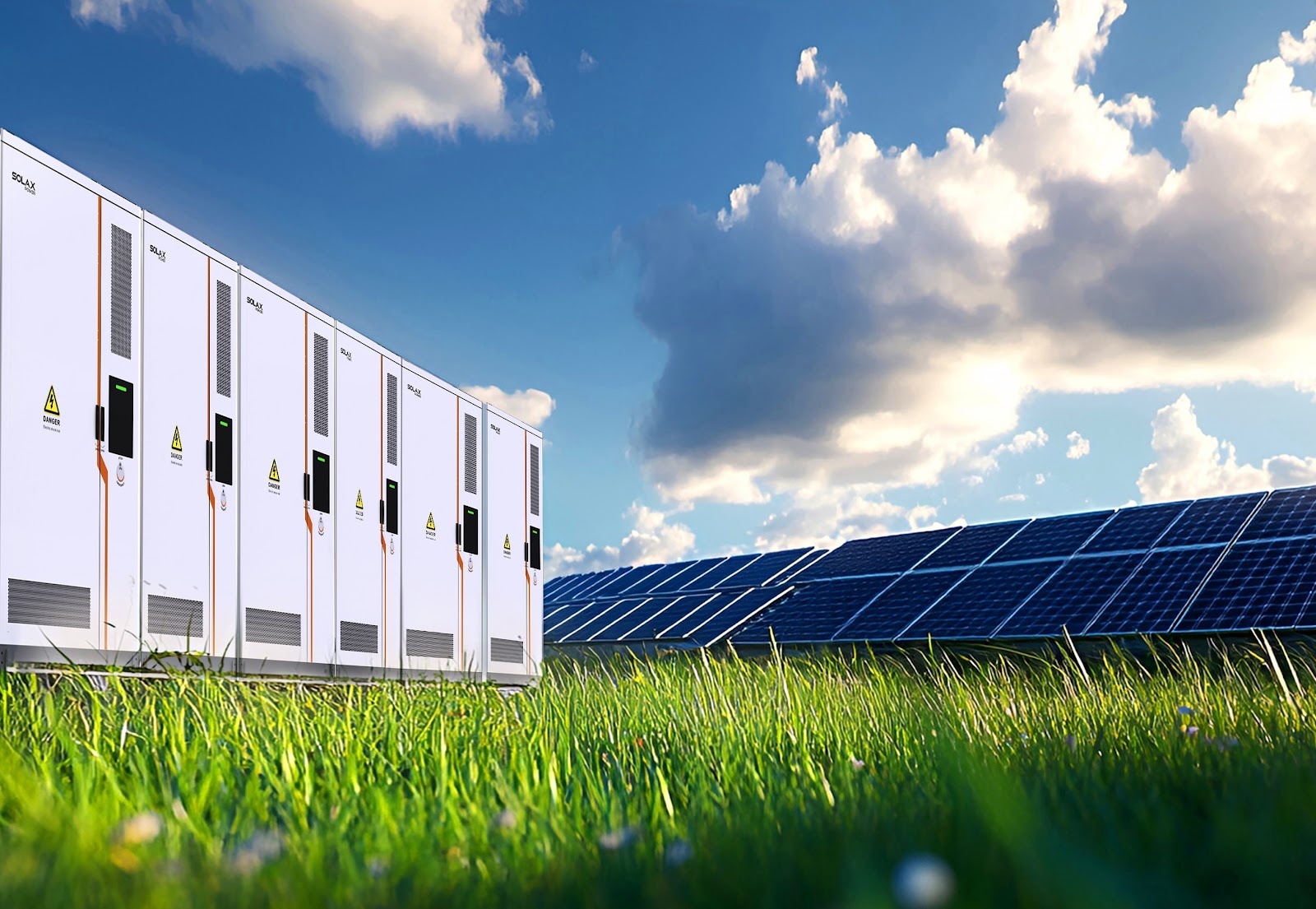
In the context of global energy transformation, Battery Energy Storage Systems (BESS) have emerged as a crucial component determining the success of Vietnam's energy transition process. The issuance of National Standard TCVN 14499:4:3:2025 marks a significant milestone in the legal framework for BESS, reflecting a shift in management thinking from encouraging technology to governing technology risks.
Background of Energy Storage Development in Vietnam
Vietnam is undergoing a profound transformation from a fossil fuel-based economy to renewable energy. With significant potential in solar and wind power, the country is witnessing a boom in solar and wind energy projects. However, the variability of renewable energy sources presents substantial challenges to the national power system.
BESS is regarded as the key solution to address these issues, helping to:
- Balance electricity supply and demand within the system
- Stabilize the grid when renewable energy sources fluctuate
- Provide ancillary services such as frequency regulation and voltage control
- Enhance power system stability
The Importance of BESS in Vietnam's Energy System
According to data from the Ministry of Industry and Trade, the total installed capacity of renewable energy power plants in Vietnam reached over 20,000 MW by 2023, accounting for approximately 40% of the national power system's total installed capacity. However, this ratio is expected to continue growing rapidly in the coming years, creating urgent demand for energy storage solutions.
BESS not only addresses the variability issue of renewable energy but also plays a crucial role in:
- Promoting the development of green industrial zones
- Supporting the electrification of transportation
- Reducing dependence on imported coal and oil
- Ensuring national energy security
TCVN 14499:4:3:2025: A New Legal Framework for BESS
National Standard TCVN 14499:4:3:2025 on "Battery Energy Storage Systems - Part 4: Safety Requirements - Part 3: Environmental Requirements" has been issued to create a comprehensive legal framework for BESS deployment in Vietnam. This standard focuses on two critical aspects: safety and environmental protection.
The main requirements of the standard include:
- Regulations for the design and installation of battery storage systems
- Requirements for fire and explosion risk management
- Provisions for the disposal and recycling of used batteries
- Requirements for environmental monitoring during operation
Analysis of Vietnam's Management Approach
The emergence of TCVN 14499:4:3:2025 demonstrates a clear shift in Vietnam's management approach to BESS technology. Previously, policies focused on encouraging investment and technology development through electricity price incentives and bidding processes. However, as deployment scales increase, issues of safety, environmental impact, and operation have become urgent.
Vietnam's new approach is characterized by:
- Shifting from technology encouragement to technology risk governance
- Focusing on comprehensive legal frameworks rather than fragmented policies
- Prioritizing safety and environmental factors
- Establishing strict monitoring and inspection systems
This indicates that Vietnam is gradually maturing in its management of new technologies, focusing not only on development but also on risk governance aspects.
Challenges and Prospects
Despite significant progress, BESS implementation in Vietnam still faces numerous challenges:
- High initial investment costs
- Lack of qualified technical experts
- Underdeveloped supporting infrastructure
- Challenges in sourcing raw materials for battery production
However, the development prospects for BESS in Vietnam remain highly optimistic. According to expert forecasts, BESS installed capacity in Vietnam could reach 5-10 GW by 2030, equivalent to approximately 10-15% of the power system's total capacity.
The table below summarizes BESS-related standards in Vietnam:
| Standard Name | Issuance Date | Scope of Application | Key Features |
|---|---|---|---|
| TCVN 14499:4:3:2025 | 2025 | Battery Energy Storage Systems | Focuses on safety and environmental requirements |
| TCVN 14499:1:2023 | 2023 | Battery Energy Storage Systems | General provisions on terminology and definitions |
| TCVN 14499:2:2024 | 2024 | Battery Energy Storage Systems | Requirements for performance and reliability |
Conclusion
The issuance of TCVN 14499:4:3:2025 marks a significant step in Vietnam's journey toward developing a sustainable energy system. With a balanced approach between encouraging technology and governing risks, Vietnam is gradually building an appropriate legal framework for the safe and sustainable development of BESS.
However, to fully harness the potential of BESS, Vietnam needs to continue improving its legal framework, training high-quality human resources, and promoting the development of local technology. Only then can Vietnam maximize the benefits of energy storage technology, contributing to its energy transition and sustainable development goals.