Middle East Ceasefire: Geopolitical Shifts and Market Implications
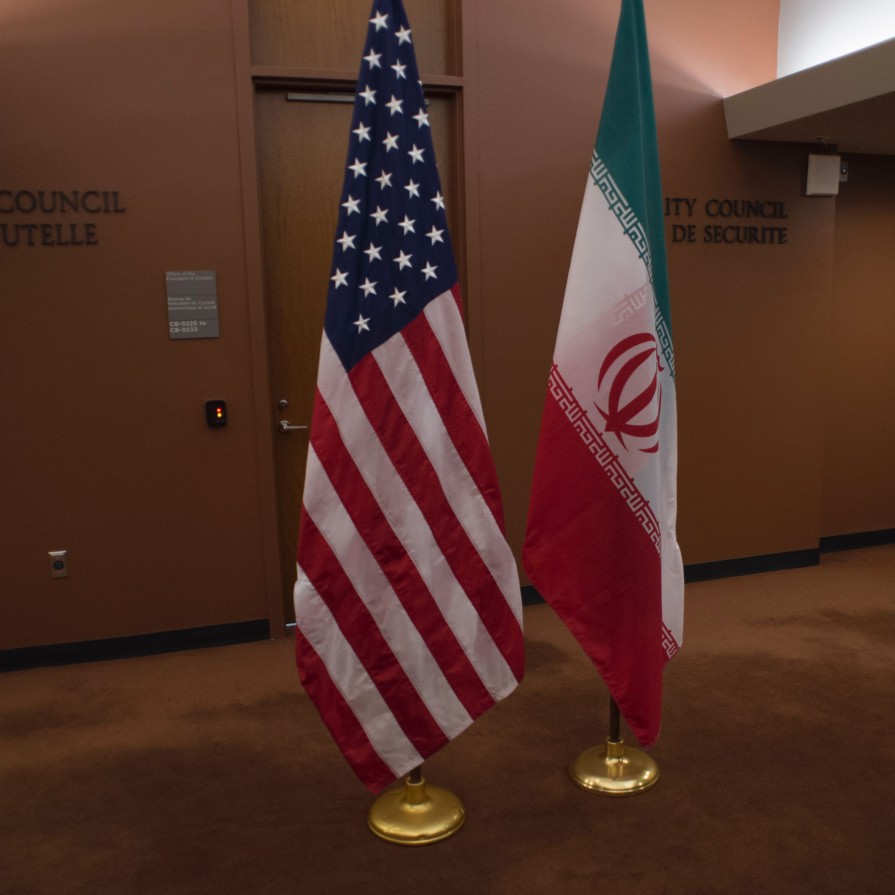
The recent peace agreement between Israel and Hezbollah marks a significant development in the volatile Middle Eastern landscape. After days of escalating conflict, both parties have agreed to a ceasefire in southern Lebanon, effective Friday. This breakthrough not only mitigates the risk of undermining the fragile peace process between the United States and Iran but also creates space for upcoming diplomatic negotiations.
The Conflict and Ceasefire Agreement
Amid rising tensions, negotiations between Washington and Tehran are scheduled to commence within a 60-day timeframe. These talks aim to end the war, reopen the Strait of Hormuz, and restore the millions of barrels of oil disrupted daily. However, before these critical negotiations could begin, the conflict between Israel and Hezbollah posed a significant challenge to the broader agreement.
The ceasefire represents a temporary pause in hostilities, but it's important to note that neither Israel nor Hezbollah are official signatories to the US-Iran agreement. Israel has consistently stated it will continue military operations in southern Lebanon until security threats are neutralized. Conversely, Hezbollah insists that any lasting ceasefire must include an Israeli withdrawal from the region.
Market Reactions and Oil Price Fluctuations
The oil market has reacted swiftly to these geopolitical developments. Brent crude prices have declined from over $100 per barrel in May to below $77 earlier this week, before rebounding above $80 on Friday as traders reassessed regional stability.
| Time Period | Brent Crude Price (USD/barrel) |
|---|---|
| May 2023 | Over $100 |
| Early this week | Below $77 |
| Friday this week | Above $80 |
The recent sell-off in the oil market was based on the simple assumption that the conflict had concluded and oil supply would soon normalize. However, the reality proves to be considerably more complex.
Risks to the Peace Process
One of the most significant risks to the broader peace process stems from actors not directly participating in the negotiations. Despite the new ceasefire potentially creating breathing room for diplomats, it fails to address the fundamental tensions that initially led to the conflict.
The Middle Eastern geopolitical landscape is characterized by multiple overlapping conflicts and competing interests. The Israel-Hezbollah ceasefire, while welcome, represents only one piece of a much larger puzzle. The region faces numerous unresolved issues including territorial disputes, sectarian tensions, and competing foreign influences.
Future Outlook
The two-week oil price decline reflected growing confidence that supply disruptions in the Middle East would soon become a thing of the past. However, the reality is that every ceasefire, agreement, and memorandum comes with asterisks. While the Strait of Hormuz may be moving toward reopening, the Middle East region still presents numerous challenges awaiting resolution.
The market's reaction demonstrates the delicate balance between geopolitical events and economic realities. Oil prices remain sensitive to news from the region, with each development potentially triggering significant market movements.
| Key Factor | Potential Impact on Oil Markets |
|---|---|
| Israel-Hezbollah Ceasefire | Short-term price stabilization |
| US-Iran Negotiations | Medium-term price volatility |
| Straits of Hormuz Reopening | Long-term price moderation |
As geopolitical analysts continue to monitor the situation, the interplay between diplomatic efforts and market forces will likely shape the future trajectory of both Middle Eastern stability and global energy markets. The recent developments, while positive, represent only the beginning of what promises to be a complex and evolving process.
This analysis reflects the perspective of Julianne Geiger for Oilprice.com, highlighting the intricate connections between geopolitical events and market dynamics in the volatile Middle Eastern landscape.