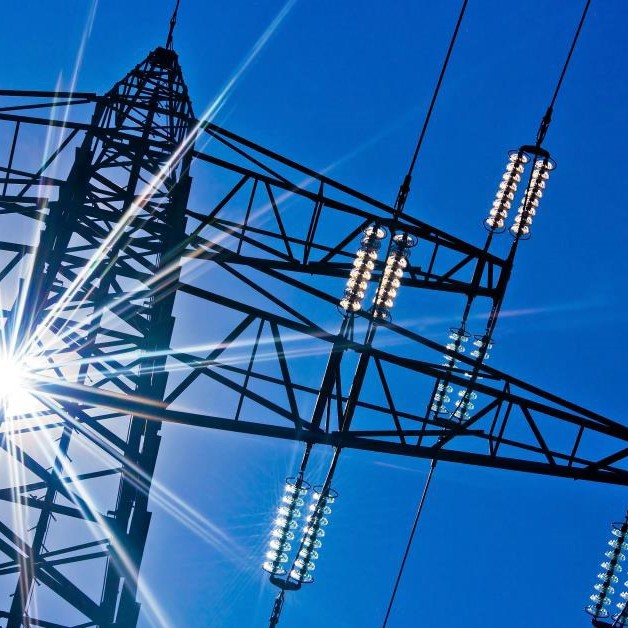
The AI Race: Not About Technology, But About Energy
NVIDIA: From Gaming Chip Company to History's Most Valuable Enterprise
Just two and a half years ago, NVIDIA was considered a $300 billion gaming chip company. Today, it has become the most valuable enterprise in history with over $4 trillion in market capitalization. Early investors who recognized the trend and invested in NVIDIA have reaped enormous returns. A $10,000 investment in NVIDIA at the beginning of 2023 would now be worth over $130,000. While this trade might seem obvious in hindsight, very few investors were able to capture it in time.
The AI Chip Supply and Demand Situation
As demand for AI computing exploded, the supply of advanced chips couldn't keep up. NVIDIA is the only company in the world capable of producing the chips that the AI economy needs at scale. This has given the company near-unlimited pricing power and reshaped its valuation dramatically.
Lessons from the Chip Crisis
- ChatGPT launched in November 2022, quickly attracting 100 million users within two months.
- Every major tech company needed AI computing immediately to remain competitive.
- Advanced chips take years to design, manufacture, and require specialized equipment only a few factories can produce.
This unprecedented demand-supply imbalance transformed NVIDIA from a "normal" semiconductor company into the most valuable enterprise in human history, creating a new paradigm in the tech industry.
The New Bottleneck: Energy
While NVIDIA can now ship Blackwell chips equivalent to TSMC's production capacity, a fundamental constraint remains: no chip can operate without electricity. A single ChatGPT query consumes about 10 times the energy of a Google search. Current industry forecasts show that capital spending on AI data centers could reach $5.2 trillion from now through 2030. Goldman Sachs predicts global electricity demand for data centers could increase by up to 165% by 2030 compared to 2023.
Infrastructure Challenges
The existing electrical grid infrastructure wasn't built to meet this exponential demand. In fact, over 70% of power grid connection requests in the United States are being withdrawn because the grid cannot accommodate them. Kevin O'Leary, a famous investor, believes that 50% of the data centers currently being planned will never be built due to these infrastructure limitations.
This energy bottleneck threatens to slow the AI revolution just as the chip bottleneck did, creating both challenges and opportunities in the market.
Bitzero Holdings: The Company Positioned to Own the Energy Bottleneck
In this context, Bitzero Holdings, Inc. (NASDAQ: AIBZ) has emerged as a well-positioned company to own and leverage the new energy bottleneck. Bitzero has secured over 1 gigawatt of cheap energy at four strategic locations in Norway, Finland, and the United States before the AI boom occurred, positioning itself as a critical player in the AI infrastructure ecosystem.
Energy Cost Advantages
| Location | Electricity Cost (cents/kWh) |
|---|---|
| Bitzero (Norway) | 3-4 |
| United States | 12 |
This significant cost advantage allows Bitzero to connect directly to the high-voltage grid and work directly with hydroelectric power plants, creating a substantial competitive edge in the energy-intensive AI computing sector.
Strategic Agreements
On May 5, 2026, Bitzero signed a binding agreement with OneQode Networks Pte. Ltd. for the lease of the entire 110 megawatt at the Norway location. The total contract value is estimated at approximately $2.6 billion over the 15-year term, with a net operating profit margin of up to 85%. This agreement demonstrates the immense value of securing energy resources in advance of AI demand.
Conclusion: The Energy Bottleneck Creates New Investment Opportunities
The energy crisis could create a similar investment paradigm to the chip crisis we've just witnessed. Companies like Bitzero Holdings that secured critical energy resources before the demand surge are now positioned to benefit tremendously from the AI revolution's energy requirements.
As the AI industry continues to grow exponentially, companies that control the energy infrastructure will hold significant power in determining the pace and scale of AI development. The strategic positioning of Bitzero Holdings exemplifies how identifying and securing the next bottleneck in the technology value chain can create unprecedented value for investors and the industry alike.
For those looking to invest in the AI revolution's next phase, understanding and positioning for the energy bottleneck may present one of the most significant opportunities of this technological era.