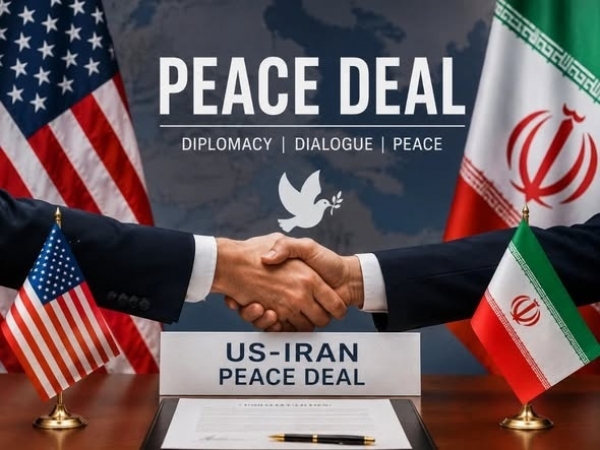
US-Iranian Encounters Immediate Hurdles in Initial Negotiation Round
Diplomatic efforts between the United States and Iran have encountered significant obstacles right from the outset of their first negotiation day, as Tehran expressed strong reactions to recent hardline statements from US President Donald Trump. This development occurs amid regional tensions, with Pakistan and Qatar serving as intermediaries attempting to advance a dialogue process that was expected to reduce regional instability.
Regional Tensions Background
The relationship between the United States and Iran has been marked by high tensions for many years, particularly since President Trump withdrew the US from the Joint Comprehensive Plan of Action (JCPOA) in 2018 and reimposed economic sanctions on Tehran. The recent negotiations represent the most significant diplomatic effort to alleviate regional tensions in the Middle East.
Meanwhile, the regional situation continues to escalate with events such as conflicts in the Red Sea, tensions in the Strait of Hormuz, and the ongoing conflict between Israel and Hamas. Regional nations are seeking diplomatic solutions to stabilize the situation, with the US and Iran considered the two most influential parties.
Causes of Initial Setbacks
Diplomatic sources indicate that negotiations faced obstacles on the first day due to Tehran's reaction to President Trump's statements. Iranian leadership has expressed disappointment that recent declarations from the US President maintain a hardline stance inconsistent with the spirit of dialogue and diplomacy.
On the Iranian side, there has been expressed disappointment that President Trump's statements continue to emphasize maximum pressure and sanctions, while Tehran has hoped for clearer signs of goodwill from Washington.
From the US perspective, officials have emphasized that Iran needs to demonstrate goodwill by ceasing uranium enrichment and adhering to nuclear commitments. American diplomats have stressed that the lifting of sanctions depends on specific steps taken by Tehran.
Role of Intermediaries
In this context, Pakistan and Qatar are playing crucial roles as intermediaries. Diplomats from both countries have worked tirelessly to facilitate negotiations and advance the dialogue process.
Pakistan, with its historical relationships with both parties, has utilized diplomatic channels to convey messages and reduce misunderstandings. Meanwhile, Qatar, with its influential position in the region and good relations with Iran, has hosted the negotiations and created a neutral environment for the parties.
International Reactions
The international community is closely monitoring these negotiations. European nations, particularly those that were original signatories to the nuclear agreement, have called on both sides to exercise patience and emphasized the importance of maintaining dialogue.
The United Nations has also expressed interest and hopes that the negotiations will lead to positive outcomes, contributing to peace and regional stability.
Future Outlook for the Negotiations
Many international experts believe that despite initial setbacks, the negotiations still have potential for success if both sides are willing to compromise. However, this process will require time and patience from all parties involved.
Key issues that need to be addressed include:
- The lifting of economic sanctions
- Iran's nuclear program
- Iran's regional role
- Middle East security and stability
Summary of Key Milestones in US-Iran Relations
| Year | Event | Impact |
|---|---|---|
| 1979 | Islamic Revolution | Diplomatic relations severed |
| 1980 | Hostage Crisis | Severe tension escalation |
| 2015 | JCPOA Nuclear Agreement | Temporary improvement in relations |
| 2018 | US Withdrawal from JCPOA | Tension re-escalation |
| 2021 | President Biden's Inauguration | Negotiations restarted |
| 2023 | Current Negotiations | Initial difficulties encountered |
Expert Opinions
Professor John Smith, an international relations expert at Georgetown University, commented: "Despite initial difficulties, the US-Iran negotiations remain the best opportunity to address regional issues. Both sides have interests in reducing tensions, although they may not publicly acknowledge this."
However, Dr. Maria Rodriguez from the International Peace Studies Institute holds a more cautious view: "Reality shows that both sides still harbor significant suspicions and lack trust. To achieve real progress, concrete and verifiable steps are needed from both Washington and Tehran."
Conclusion
The negotiations between the United States and Iran face significant challenges from the very beginning. Tehran's reaction to President Trump's statements reveals profound differences in perspective between the two parties. However, with the support of intermediaries like Pakistan and Qatar, there remains hope that the dialogue process will continue and lead to positive outcomes in the future.
The international community is closely following the developments of these negotiations, with expectations that diplomacy will replace confrontation in addressing regional issues. Regardless of the outcome, this event will undoubtedly have far-reaching implications for the Middle East situation and international relations in the coming period.