FDI Enterprises View Energy Efficiency as Core Competitive Advantage
In the context of climate change and pressure to reduce carbon emissions, foreign direct investment (FDI) companies in Vietnam are increasingly viewing energy efficiency not merely as a cost-cutting solution but as a core competitive advantage in their sustainable development strategies.
New Trends in Energy Management
According to experts from Schneider Electric, a global specialist in energy management and automation, energy conservation does not mean reducing production or limiting consumption. Instead, it involves optimizing energy use through data technology and intelligent management.
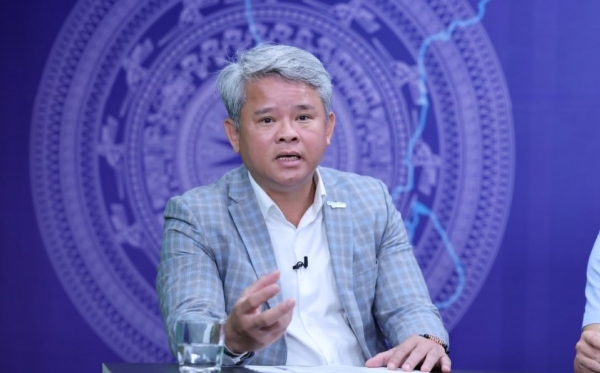
"FDI companies are increasingly recognizing that energy efficiency not only helps reduce operating costs but also enhances brand image and meets the increasingly stringent environmental requirements from global markets," said Mr. Tran Van Hung, Country Director of Schneider Electric Vietnam.
Double Benefits from Energy Transition
Implementing energy efficiency solutions brings dual benefits to enterprises:
- Optimization of operating costs, significantly reducing electricity bills
- Improved production efficiency and product quality
- Carbon emission reduction, meeting sustainable development commitments
- Enhanced competitiveness in the context of green economy
- Improved corporate image in the eyes of investors and consumers
Innovative Technologies in Energy Management
Schneider Electric has introduced intelligent solutions to help companies optimize energy use:
| Technology | Function | Efficiency |
|---|---|---|
| Smart Building Management System (BMS) | Automatically adjusts electrical equipment based on usage needs | 15-30% energy savings |
| Energy Monitoring and Measurement (EMM) | Real-time monitoring and analysis of consumption data | 10-20% reduction in electricity costs |
| AI Technology in Energy Management | Predicts energy demand and optimizes usage | 20-25% consumption optimization |
| Integrated Renewable Energy | Integration of solar, wind power into electrical systems | 30-50% reduction in grid dependency |
Practical Applications in FDI Enterprises
Many major corporations have successfully implemented these solutions in their factories and offices. For example, an electronics plant in Bac Ninh reduced its energy consumption by 22% after implementing a BMS system, equivalent to annual savings of over VND 5 billion.
Similarly, a textile corporation in Binh Duong reduced electricity consumption by 18% after installing an energy monitoring system, while also decreasing CO2 emissions by 15%.
Challenges and Solutions
Despite the significant potential, FDI companies still face several challenges when implementing energy efficiency solutions:
- High initial investment costs
- Lack of personnel with expertise in energy management
- Difficulties in integrating legacy systems with new technologies
- Limited awareness of long-term benefits from energy transition
To address these challenges, Schneider Electric proposes solutions such as:
- Implementing "energy as a service" (EaaS) models to reduce initial investment pressure
- Organizing training and technology transfer for enterprise technical teams
- Providing customized solutions according to each industry's characteristics and business scale
- Building long-term energy transition roadmaps with clear phases
Future Vision
According to experts' forecasts, Vietnam's energy efficiency solutions market is expected to grow by 15-20% annually through 2025, with increasing participation from more FDI companies.
"Vietnam is becoming an attractive destination for high-tech investment projects. FDI companies will consider energy efficiency capabilities as a mandatory standard to maintain their competitive advantage in the future," emphasized Mr. Tran Van Hung.
Supportive government policies such as the National Target Program on Energy Efficiency and the commitment to reach net-zero emissions by 2050 will also strongly promote this transition process.
Conclusion
Viewing energy efficiency as a core competitive advantage is not just a trend but an inevitable strategy for FDI enterprises in Vietnam. With technological advancements and growing awareness of sustainable development, intelligent energy management solutions will continue to play a crucial role in enhancing production efficiency and minimizing environmental impact.