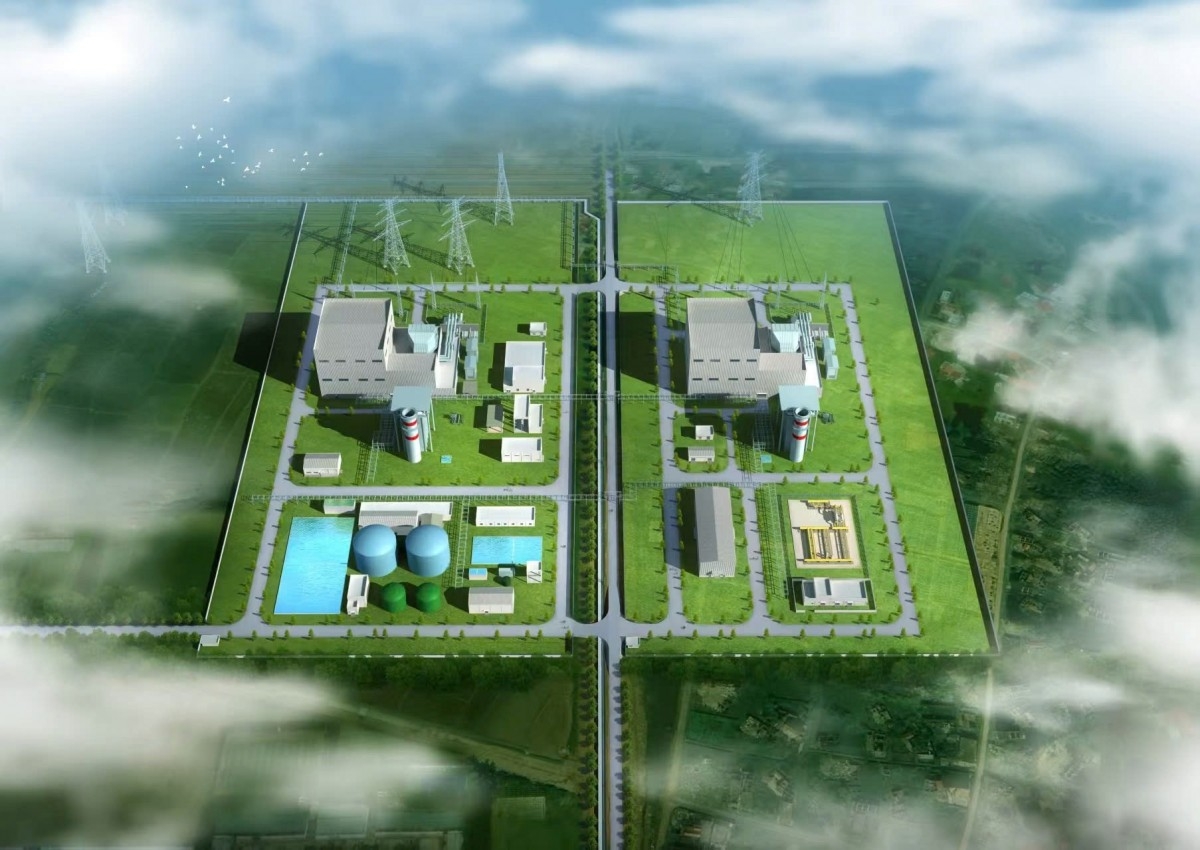
GE Vernova to Supply Advanced Turbine Technology for Vietnam's Quang Trach 2 LNG Power Plant Project
In a significant development for Vietnam's energy infrastructure, GE Vernova Inc., a subsidiary of General Electric, has announced a strategic agreement to provide advanced turbine technology for the Quang Trach 2 LNG Power Plant project. This collaboration marks a crucial step in modernizing Vietnam's power generation capabilities while supporting the nation's energy transition goals.
Strategic Partnership Overview
The agreement between GE Vernova and Vietnam Electricity Group (EVN) encompasses the supply of two cutting-edge 9HA.02 gas turbines and two H78 generators. This equipment will form the backbone of the new 1.6-gigawatt (GW) combined-cycle power plant located in Quang Trach, Vietnam. The project represents one of the most significant investments in Vietnam's energy sector and underscores GE Vernova's commitment to supporting sustainable development in emerging markets.
"This partnership aligns with our mission to provide reliable, efficient, and cleaner energy solutions to communities worldwide," said a GE Vernova spokesperson. "The 9HA.02 technology represents the pinnacle of gas turbine innovation, offering exceptional flexibility and efficiency to support Vietnam's growing energy demands."
Project Significance for Vietnam's Energy Landscape
The Quang Trach 2 LNG Power Plant project holds strategic importance for Vietnam as the country continues its economic development and urbanization. With electricity demand growing at approximately 8-10% annually, Vietnam is actively seeking to diversify its energy mix and reduce dependency on traditional coal-fired power plants.
When fully operational by 2030, the power plant will contribute significantly to Vietnam's national grid, providing reliable electricity to millions of homes and businesses. The project is particularly timely as Vietnam aims to achieve carbon neutrality by 2050, with LNG serving as a critical transition fuel in the country's energy strategy.
Technical Specifications and Capabilities
The 9HA.02 gas turbines selected for this project represent GE's most advanced heavy-duty gas turbine technology. These turbines are renowned for their exceptional efficiency, operational flexibility, and reliability in diverse environmental conditions. The H78 generators, designed to complement these turbines, will ensure optimal power output and grid stability.
| Equipment Component | Technical Specifications | Key Features |
|---|---|---|
| 9HA.02 Gas Turbine | Heavy-duty, single-shaft gas turbine | Enhanced efficiency, operational flexibility, fast-start capability |
| H78 Generator | Synchronous generator | High reliability, optimized performance, advanced cooling system |
| Power Plant Capacity | 1.6 GW (combined-cycle configuration) | Flexible operation, load-following capability |
Environmental Benefits and Energy Transition
As Vietnam accelerates its energy transition, the Quang Trach 2 project offers significant environmental advantages over traditional coal-fired power plants. LNG power generation produces approximately 50% fewer CO2 emissions compared to coal, making it a critical component in Vietnam's strategy to reduce carbon emissions while maintaining energy security.
"The integration of advanced LNG technology supports Vietnam's commitment to reducing environmental impact while meeting growing energy demands," noted energy analyst Dr. Nguyen Van Minh. "Projects like Quang Trach 2 demonstrate the practical application of natural gas as a bridge fuel in the transition toward a cleaner energy future."
GE Vernova's Market Position and Future Outlook
GE Vernova has established itself as a global leader in power generation technology, with the 9HA.02 series representing the culmination of decades of innovation in gas turbine technology. The company's presence in the Asian energy market continues to expand, with Vietnam emerging as a key focus for strategic investments.
The Quang Trach 2 project is part of a broader trend of LNG infrastructure development across Southeast Asia, as nations in the region balance economic growth with environmental sustainability. GE Vernova's technology is expected to play a pivotal role in shaping the region's energy landscape for decades to come.
Implementation Timeline and Project Milestones
The Quang Trach 2 LNG Power Plant project is scheduled for commercial operation by 2030, with several key milestones leading up to this target:
- 2023-2024: Final engineering and procurement phase
- 2025-2026: Site preparation and foundation construction
- 2027-2028: Equipment delivery and installation
- 2029: System integration and testing
- 2030: Commercial operation commencement
Economic and Social Impact
Beyond its energy contributions, the Quang Trach 2 project is expected to generate substantial economic benefits for the region. During construction, the project will create numerous employment opportunities and stimulate local businesses. Once operational, the power plant will contribute to Vietnam's economic growth by ensuring reliable electricity supply for industrial expansion and commercial development.
"This project represents more than just power generation; it's about building a sustainable energy future for Vietnam," said EVN's project director. "The partnership with GE Vernova brings world-class technology and expertise that will benefit our country for generations."
Conclusion: A Milestone in Vietnam's Energy Evolution
The collaboration between GE Vernova and EVN for the Quang Trach 2 LNG Power Plant project marks a significant milestone in Vietnam's energy evolution. By incorporating cutting-edge gas turbine technology, the project addresses immediate energy needs while laying the foundation for a more sustainable and diversified energy future.
As Vietnam continues its journey toward economic development and environmental responsibility, projects like Quang Trach 2 demonstrate how strategic partnerships and advanced technology can work in harmony to achieve multiple objectives: reliable energy supply, economic growth, and environmental stewardship. The successful implementation of this project will likely serve as a model for future energy developments across Southeast Asia and beyond.