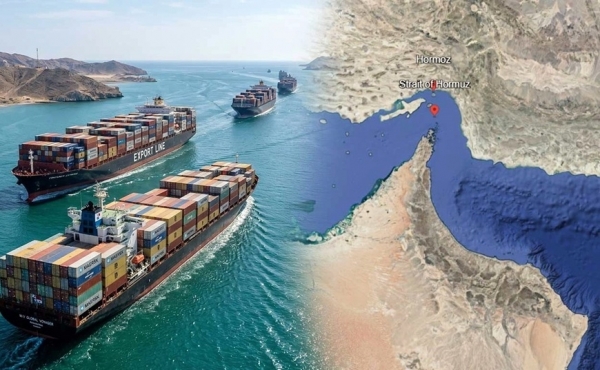
IMO Launches Major Evacuation Operation in Strait of Hormuz
The International Maritime Organization (IMO) has officially initiated a large-scale evacuation operation to assist more than 11,000 seafarers currently stranded in the Strait of Hormuz. This decision comes amid escalating tensions between the United States and Iran, two nations that have recently signed a significant agreement.
Current Situation in the Region
The Strait of Hormuz, one of the world's most critical maritime shipping lanes, has witnessed increasing tensions in recent months. The evacuation of seafarers represents a necessary measure to ensure their safety amid potential risks in the region. As a vital chokepoint through which approximately one-fifth of global oil supplies pass, any disruption to maritime traffic in this area could have profound implications for global energy markets and supply chains.
Geopolitical tensions in the region have been mounting, with various military maneuvers and diplomatic exchanges creating an environment of uncertainty for commercial vessels and their crews. The IMO's decision to coordinate this evacuation reflects the seriousness of the situation and the organization's commitment to maritime safety and security.
The Evacuation Operation
The evacuation operation, led by the IMO, will be implemented in multiple phases with close coordination between relevant authorities of the involved nations. This complex operation requires meticulous planning and execution to ensure the safe and efficient transfer of thousands of seafarers from potentially hazardous environments.
Key aspects of the evacuation operation include:
- Evacuation Targets: More than 11,000 seafarers from various nations whose vessels have been affected by the current security situation.
- Implementation Timeline: Specific timelines for each evacuation phase will be announced following detailed planning and security assessments.
- Transportation Means: Utilization of commercial vessels and specialized rescue craft to facilitate the movement of personnel.
- Coordination Mechanism: Establishment of a multinational command center to oversee the operation, including representatives from maritime authorities, military forces, and shipping industry representatives.
- Logistical Challenges: Addressing the complexities of mass evacuation, including medical support, documentation, and temporary accommodation arrangements.
The IMO has emphasized that this operation represents one of the largest maritime evacuation efforts in recent history, requiring unprecedented levels of international cooperation and coordination.
Significance of the US-Iran Agreement
The recent agreement between the United States and Iran is being viewed as a significant step toward reducing regional tensions. This diplomatic development not only facilitates the ongoing evacuation operation but also opens prospects for long-term stability in the Strait of Hormuz and surrounding areas.
The agreement, which addresses several contentious issues between the two nations, has created a diplomatic opening that has been welcomed by the international community. Maritime industry experts have noted that such diplomatic breakthroughs are essential for maintaining the free flow of commerce through critical international waterways.
While the exact terms of the agreement remain partially confidential, its impact on regional security dynamics is already being felt. The evacuation operation itself may serve as an early test of the agreement's effectiveness, requiring cooperation between nations that have historically experienced significant friction.
| Information Category | Details |
|---|---|
| Number of Seafarers | 11,000 |
| Countries Involved | Multiple nations |
| Implementation Timeline | To be determined |
| Evacuation Transport | Commercial vessels, rescue craft |
| Leading Organization | International Maritime Organization (IMO) |
| Primary Challenge | Geopolitical tensions |
International Response and Industry Implications
The evacuation operation has elicited responses from various quarters of the international community. Maritime industry associations have expressed support for the IMO's initiative, while shipping companies with affected vessels have been cooperating with authorities to ensure the smooth execution of the evacuation.
Industry analysts suggest that this operation may lead to increased scrutiny of maritime security protocols in critical chokepoints worldwide. The incident has highlighted the vulnerability of global supply chains to geopolitical tensions and may prompt renewed discussions about the need for enhanced international maritime security frameworks.
Insurance companies have been closely monitoring the situation, with some adjusting their risk assessments for vessels transiting through the Strait of Hormuz. The long-term implications for insurance premiums and maritime risk management practices remain to be seen, but industry experts anticipate potential shifts in how risk is evaluated and priced for this strategically important waterway.
Conclusion
The evacuation operation in the Strait of Hormuz represents not only an urgent humanitarian initiative but also a critical test of international cooperation in maintaining maritime safety and security. As the operation unfolds, it will serve as a case study for how the international community can respond to crises in critical maritime chokepoints.
The IMO's leadership in this operation underscores the organization's mandate to ensure safe, secure, and efficient shipping on clean oceans. The involvement of multiple nations and organizations in this effort demonstrates that despite political differences, there remains common ground in protecting the lives of seafarers and maintaining the uninterrupted flow of global commerce.
As the evacuation progresses, attention will likely shift to the long-term prospects for stability in the region and the development of more robust mechanisms for preventing similar situations in the future. The success of this operation could set important precedents for international crisis management in maritime contexts, potentially influencing how the global community addresses future challenges to maritime security.