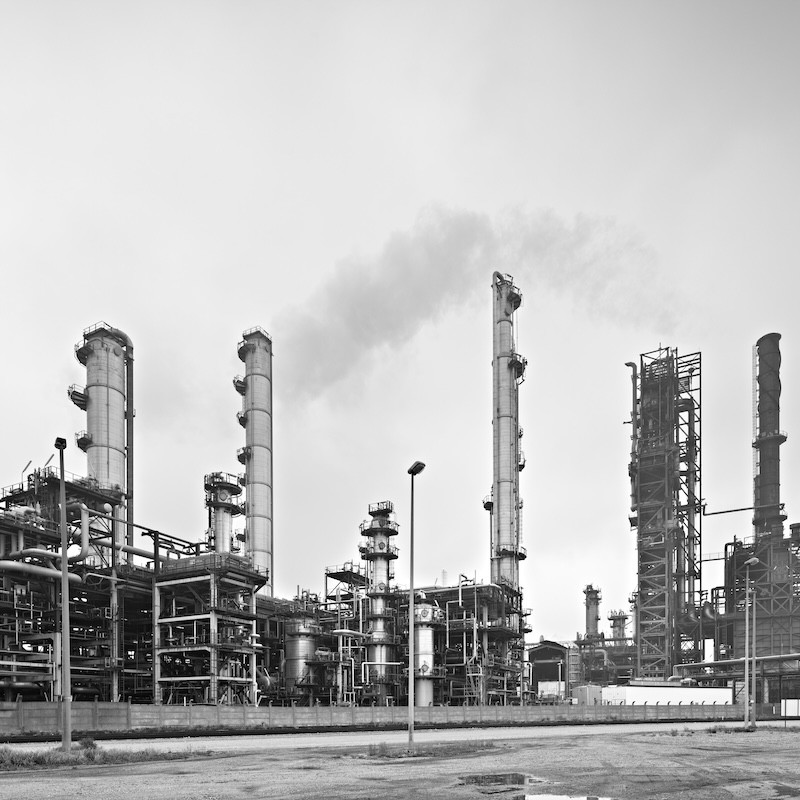
Russia Proposes Mandatory 30% Domestic Oil Refining to Address Fuel Shortages
In a significant move to combat the nation's escalating fuel crisis, Igor Sechin, CEO of Rosneft—Russia's state-owned and largest oil producer—has proposed a requirement for domestic oil companies to refine at least 30% of their crude oil production within Russia. According to Russian daily newspaper Kommersant, Sechin submitted this proposal to President Vladimir Putin in late May, outlining potential measures to alleviate the growing fuel emergency.
Sechin's Comprehensive Proposal
Sechin's letter to President Putin outlines several strategic measures designed to address Russia's fuel shortages. The centerpiece of his proposal mandates that oil companies process a minimum of 30% of their domestically produced crude oil. Additionally, Sechin suggested temporary modifications to sales operations, including the elimination of intermediary resellers, to streamline distribution and reduce costs.
"Enhancing domestic refining capacity is essential to ensure energy security," Sechin emphasized in his proposal, highlighting the urgent need for structural changes in Russia's fuel supply chain.
Summary of Key Proposals:
| Proposal | Objective | Implementation Timeline |
|---|---|---|
| Mandatory 30% domestic refining | Increase domestic fuel production | Immediate |
| Temporary elimination of resellers | Reduce intermediary costs, stabilize prices | Temporary measure |
| Revised distribution mechanisms | Ensure more efficient fuel supply | Under consideration |
Government Response to the Crisis
President Putin has directed Deputy Prime Minister Alexander Novak to evaluate Sechin's proposals and report back on which measures could be implemented. This response indicates that the Russian government is taking the fuel crisis seriously and considering substantial interventions to address the situation.
The Escalating Fuel Crisis in Russia
Russia's fuel crisis intensified in May as demand surged while refining capacity decreased due to persistent Ukrainian drone attacks targeting Russian refineries and fuel supply infrastructure. Ukraine has significantly increased attacks on critical fuel supply routes in Russian-occupied territories, including Crimea and Mariupol, further disrupting the already strained fuel distribution network.
Regional Impact of the Fuel Crisis:
| Region | Current Situation | Implemented Measures |
|---|---|---|
| Crimea | Severe fuel shortages | Suspended fuel sales to individuals and businesses |
| Other Russian regions | Shortages since May | Permission to produce gasoline and diesel with higher sulfur content |
| Nationwide | Rising prices, reduced supply | Ban on jet fuel exports |
Critical Situation in Crimea
In Russian-occupied Crimea, authorities have suspended fuel sales to both individual consumers and businesses amid severe fuel shortages and a weakened tourism season. Only government agencies are currently receiving fuel allocations in the region, highlighting the severity of the crisis in this strategically important territory.
Emergency Government Measures
At the federal level, Russia has permitted some refineries to produce gasoline and diesel with higher sulfur content and other reduced environmental specifications to alleviate fuel shortages. Earlier this month, Russia implemented a ban on jet fuel exports through November 30, 2026, as the country seeks to secure domestic supplies amid increasing Ukrainian drone attacks on its energy infrastructure.
Potential Diesel Export Ban
Deputy Prime Minister Alexander Novak announced on Tuesday that Russia is also considering a complete ban on diesel exports. This measure would aim to stabilize the domestic fuel market amid ongoing disruptions at refineries, rising prices, and supply shortages resulting from Ukrainian attacks on energy infrastructure.
Implications for the Global Market
These emergency measures by Russia could have significant repercussions for the global energy market. As one of the world's largest producers and exporters of oil, Russia's export restrictions could lead to increased global fuel prices. European countries, which previously relied on Russian energy supplies before the conflict, may be particularly affected by these developments.
The Future of Russia's Energy Sector
The current fuel crisis raises substantial questions about the future trajectory of Russia's energy industry. While enhancing domestic refining capacity may be necessary in the short term, Russia will need to balance ensuring domestic energy security with maintaining its export position. The persistent attacks on energy infrastructure also highlight vulnerabilities in the country's distribution and protection systems.
The current crisis may also prompt Russia to restructure its oil industry, focusing more on domestic refining rather than merely exporting crude oil. This shift could potentially alter global energy market dynamics in the coming years.
Conclusion
CEO Igor Sechin's proposal requiring Russian oil companies to refine at least 30% of their domestically produced crude oil underscores the severity of Russia's current fuel crisis. With Ukrainian attacks disrupting production and distribution, coupled with rising domestic demand, Russia faces an unprecedented energy challenge. Emergency measures such as permitting lower-standard fuel production and export bans may alleviate pressure in the short term, but long-term, Russia will need to develop a more sustainable energy strategy to navigate ongoing geopolitical uncertainties.