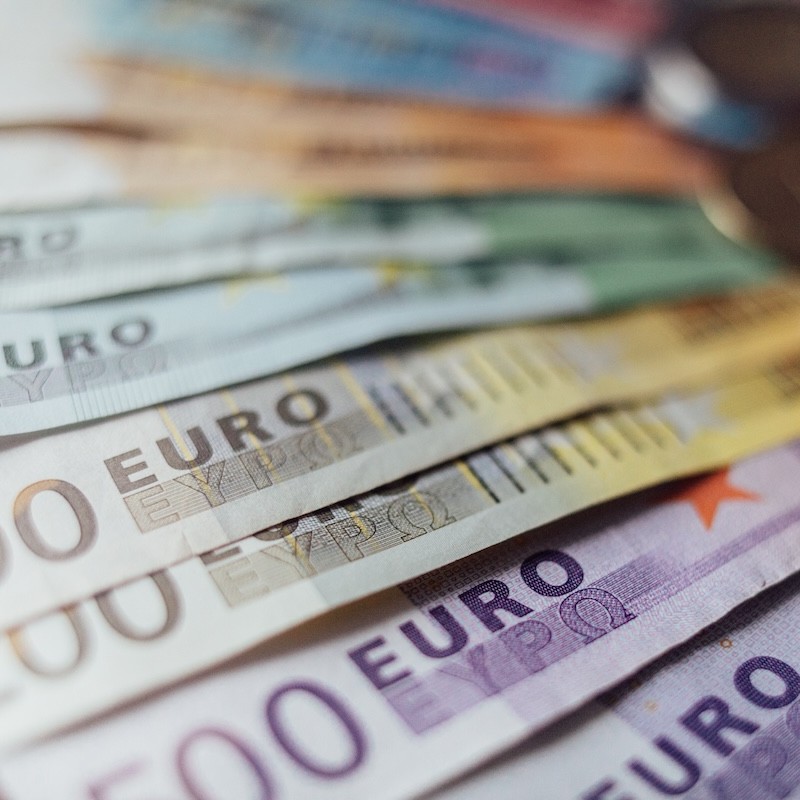
Euro Hits One-Year Low Amid Oil Price Decline, Fueling Expectations of ECB Rate Cuts
In a significant shift in global currency dynamics, the Euro has plummeted to its lowest level in a year as easing tensions between the United States and Iran have triggered expectations of more accommodative monetary policy from the European Central Bank. The simultaneous decline in global oil prices has alleviated inflationary pressures, creating favorable conditions for a softer monetary stance from the ECB.
Currency Fluctuations and Underlying Factors
As of Wednesday, the Euro was trading at approximately 1.135 USD, representing a notable decline from the 1.165 USD level observed before the conditional ceasefire agreement between the United States and Iran was announced on April 8. This depreciation reflects a significant shift in market expectations regarding monetary policy between Europe and the United States.
The temporary peace agreement aimed at restoring oil flows through the Strait of Hormuz has cooled the global energy market. Brent crude for August delivery was trading at $74.76 per barrel at 8:50 AM ET on Wednesday, a dramatic decrease from the $115 per barrel level seen in May. Meanwhile, corresponding WTI futures contracts were trading at $71.02 per barrel.
Implications for European Central Bank Policy
The collapse in oil prices has significantly eased the inflationary pressures that previously compelled the ECB to implement a 25 basis point rate hike earlier this month. The central bank proceeded with the rate increase despite a slowing economy to combat rising inflation driven by the oil price shock resulting from the conflict with Iran.
The latest Purchasing Managers' Index (PMI) data for June revealed that business activity in the Eurozone has contracted for the third consecutive month, reflecting the economic impact from previously high energy costs. However, the bank's primary mandate remains price stability over the medium term, forcing the ECB to prioritize controlling inflation even as economic growth weakens.
With energy-driven inflation rapidly diminishing and economic activity cooling, traders have reduced the probability of a second ECB rate hike from 50% to just 20%.
| Indicator | Current Value | Change from Previous | Year-over-Year Change |
|---|---|---|---|
| EUR/USD Exchange Rate | 1.135 | -2.6% (from 1.165) | -3.2% |
| Brent Oil Price (USD/barrel) | 74.76 | -35% (from 115) | -28% |
| US Dollar Index | 101.45 | +4% (year-over-year) | +4% |
Comparing Federal Reserve and ECB Policy Approaches
In contrast, the more hawkish stance from the US Federal Reserve, signaling a "higher for longer" policy amid resilient consumer spending, has driven a significant appreciation of the US Dollar. The US Dollar Index, which measures the dollar against a basket of six major currencies, has risen to 101.45, up 4% from a year ago.
The divergence in policy between the Fed and ECB is prompting investors to withdraw capital from Europe and redirect it toward the US Dollar. Expectations that the ECB will not proceed with further rate hikes while the Fed maintains its tightening stance have created a substantial yield differential, weakening the Euro.
Broader Economic Implications
The depreciation of the Euro could have dual effects on the European economy. On one hand, it boosts exports by making European goods more competitively priced in international markets. On the other hand, it increases the cost of imports, particularly energy and other commodities priced in US Dollars, potentially contributing to inflationary pressures.
For emerging markets, a weak Euro presents both opportunities and challenges. It may reduce pressure on dollar-denominated currencies but could also lead to capital outflows from these markets toward the United States.
This development demonstrates how strongly markets are responding to shifts in geopolitical dynamics and monetary policy expectations. While Middle East tensions remain a factor to monitor, the improvement in US-Iran relations is creating far-reaching impacts on global financial markets. The coming months will likely see continued volatility as central banks navigate these complex economic conditions and markets adjust to the new reality of energy prices and monetary policy divergence.