PGS TS Đinh Trọng Thịnh: The First Barrels of Oil - The Cornerstone of Vietnam's Economy
As Vietnam approaches the 40th anniversary of its first crude oil extraction (June 26, 1986 - June 26/2026), we mark a significant historical milestone that represents a transformative moment in the nation's economic development. In an exclusive interview with Associate Professor and Doctor Đinh Trọng Thịnh, we gain profound insights into the true value of Vietnam's oil and gas industry - not merely as a source of budget revenue, but as a robust launchpad that established economic self-reliance, promoted international integration, and shaped modern industrial thinking during Vietnam's early Đổi mới (Renewal) period.
Historical Context: When Vietnam Needed New Resources
The early 1980s found Vietnam facing numerous socio-economic difficulties in the aftermath of war. The centrally planned economy had reached a stalemate, foreign currency reserves were depleted, and the people's living conditions were extremely challenging. In this context, the discovery and extraction of oil and gas emerged as a strategic solution to break the economic impasse and create momentum for national development.
The Vietnamese government recognized the immense potential of the Southeastern sea region, particularly the Nam Côn Sơn area. While the search for oil and gas began in the 1970s, it wasn't until the mid-1980s that the first oil wells were discovered and brought into production.
The First Barrels of Oil - A Historic Milestone (June 26, 1986)
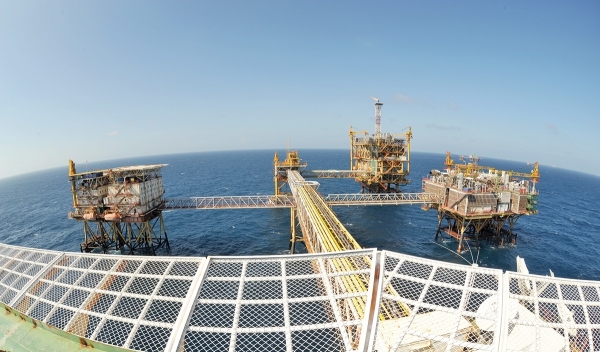
On June 26, 1986, the first barrel of crude oil from the Bạch Hổ (White Tiger) oil field was successfully extracted. This historic event marked the birth of Vietnam's nascent but highly promising oil and gas industry. The Bạch Hổ field, located in the Nam Côn Sơn area approximately 120km off the coast of Vũng Tàu, quickly became the largest oil field in Southeast Asia at that time.
This event held not only economic significance but also tremendous spiritual value, affirming Vietnam's capacity for self-reliance and national resilience during a period of international challenges.
The Extraordinary Economic Value of Vietnam's Oil and Gas Industry
According to Associate Professor Đinh Trọng Thịnh, the greatest value of Vietnam's oil and gas industry lies not just in its enormous budget revenue. He emphasizes:
"The oil and gas industry has served as a powerful catalyst, driving the Đổi mới process. Revenue from oil and gas has helped stabilize the macroeconomy, created resources for investment in other economic sectors, and simultaneously enhanced Vietnam's international standing."
The following table summarizes the contributions of Vietnam's oil and gas industry during its early phase:
| Aspect | Contribution | Impact |
|---|---|---|
| Budget Revenue | Accounted for 20-30% of total budget revenue | Stabilized national finances, funded development projects |
| Energy | Met 30-40% of domestic energy demand | Created foundation for industrialization and modernization |
| Employment | Tens of thousands of direct and indirect jobs | Improved living standards, developed regional economies |
| Integration | Attracted foreign investment, facilitated technology transfer | Enhanced production capacity, accessed international markets |
Establishing Economic Self-Reliance
Associate Professor Đinh Trọng Thịnh analyzes: "Owning and exploiting oil and gas resources helped Vietnam reduce dependence on imported energy sources, creating a foundation for sustainable development. This was a strategic step in building a self-reliant economy, minimizing risks from global energy price fluctuations."
Revenue from oil and gas was reinvested in infrastructure, industrial and agricultural development, creating a positive cycle for the economy. New industrial cities emerged, coastal economic zones developed strongly, and people's living standards gradually improved.
Promoting International Integration
Vietnam's oil and gas industry quickly became an important bridge to the world. Vietnam collaborated with leading energy corporations such as Zarubezhneft (Russia), Conoco (USA), Petronas (Malaysia), and others to jointly explore and develop oil fields.
This collaboration not only brought investment capital but also facilitated access to modern technology, management expertise, and international market networks. Associate Professor Đinh Trọng Thịnh emphasizes: "The oil and gas industry pioneered Vietnam's deeper integration into the global economy, creating the foundation for other export sectors that followed."
Shaping Modern Industrial Thinking
During the early Đổi mới period, the oil and gas industry played a pioneering role in forming modern industrial thinking in Vietnam. Operating complex oil and gas facilities required the application of advanced science and technology, professional management, and compliance with international standards.
Mr. Thịnh shares: "The oil and gas industry became a practical 'school,' training a generation of engineers and managers with high qualifications, professional thinking, and the ability to work in international environments. These individuals later became the core force in other industries."
Development of Vietnam's Oil and Gas Industry to the Present
From the first barrel of oil in 1986, Vietnam's oil and gas industry has continuously developed. Today, PetroVietnam has become Vietnam's largest economic corporation, operating across the entire value chain from exploration, extraction, refining to petroleum product distribution.
As of now, Vietnam has discovered and developed more than 20 oil and gas fields across its seas from the South to the North, with crude oil production peaking at over 400,000 barrels per day. The oil and gas industry continues to contribute significantly to the state budget, accounting for approximately 15-20% of total revenue in recent years.
Prospects and Challenges in the Future
In the face of the global trend toward transitioning to renewable energy sources, Vietnam's oil and gas industry faces numerous challenges. However, Associate Professor Đinh Trọng Thịnh remains optimistic about future prospects:
"Vietnam still has great potential for oil and gas exploration and exploitation, particularly in deep-sea areas and LNG projects. The oil and gas sector needs to transition toward natural gas extraction to serve clean energy demands and develop deep-processing industries."
He also emphasizes the importance of developing high-quality human resources and applying advanced technology to enhance extraction efficiency while minimizing environmental impacts.
Conclusion
Forty years after the first barrel of oil, Vietnam's oil and gas industry has become a crucial pillar of the economy, making significant contributions to the country's industrialization, modernization, and international integration. Looking back at this journey, we increasingly recognize the immense value of those first barrels of oil - not merely as valuable natural resources, but as a steadfast foundation and launchpad for Vietnam's development during the Đổi mới period.
As Associate Professor Đinh Trọng Thịnh affirms: "The history of Vietnam's oil and gas industry is a vivid testament to a development strategy based on internal potential combined with integration strength. This is a valuable lesson for other economic sectors in the process of building and developing the nation."