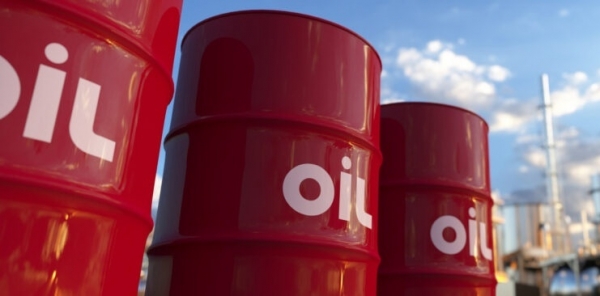
Global Oil Prices Plummet as Tanker Traffic Resumes Through Strait of Hormuz
The global oil market is experiencing significant volatility this week, with crude oil prices recording substantial declines. The resumption of oil tanker traffic through the Strait of Hormuz, one of the world's most critical maritime shipping routes, has emerged as the primary factor influencing market prices.
Recovery of Oil Tanker Traffic
Recent reports from multiple sources indicate a significant increase in oil tanker activity resuming through the Strait of Hormuz. This development not only improves oil supply conditions but also creates optimistic market sentiment. The Strait of Hormuz plays a crucial role in transporting approximately 20% of the world's oil, making any changes in this region capable of significantly impacting oil prices.
The strategic waterway, situated between Iran and the Arabian Peninsula, serves as a vital chokepoint for oil exports from major producers in the Middle East. The recent stabilization of operations through this passage has alleviated concerns about potential supply disruptions that had previously been weighing on market psychology.
Factors Contributing to Declining Oil Prices
- Increased Supply: The recovery of oil tanker traffic indicates rising supply levels, creating downward pressure on prices. With more vessels able to safely navigate the strait, global oil distribution has improved, reducing the premium that markets had been factoring in for potential supply risks.
- Global Economic Conditions: Economic factors such as inflation and slowing growth in major economies are affecting oil demand. Concerns about recession in key markets like Europe and China have tempered expectations for energy consumption, contributing to the price decline.
- Energy Policy Adjustments: Several countries have begun modifying their energy policies, reducing oil consumption demand. The accelerating transition toward renewable energy sources in many developed nations has also influenced long-term demand projections.
Future Oil Price Outlook
Given the current situation, experts forecast that oil prices may continue to decline in the coming weeks if the trend of recovering oil tanker traffic through the Strait of Hormuz continues. However, unpredictable factors such as geopolitical tensions or changes in global oil consumption demand could alter this trajectory.
Market analysts are divided on the future direction of oil prices. While some predict further declines as supply concerns ease, others point to potential geopolitical flashpoints that could disrupt the delicate balance of the market. The upcoming OPEC+ meeting, where production levels will be discussed, may also provide clarity on future supply dynamics.
Regional Impact Analysis
The recovery of operations through the Strait of Hormuz has had varying effects across different oil-producing and consuming nations. While oil-importing countries benefit from lower prices, some exporting nations may experience reduced revenue, potentially affecting their fiscal policies and economic planning.
| Region/Country | Impact Assessment | Expected Economic Effect |
|---|---|---|
| United States | Moderate positive | Reduced consumer energy costs, potentially boosting consumption |
| China | Positive | Lower manufacturing costs, supporting economic recovery |
| European Union | Mixed | Energy cost relief offset by currency exchange considerations |
| Middle East Producers | Negative | Reduced export revenue, potentially affecting budget allocations |
Market Response and Investor Sentiment
The oil market's reaction to the Hormuz Strait developments has been swift and pronounced. Oil futures contracts have shown consistent downward trends, with the most active contracts experiencing the most significant declines. Energy sector stocks have also reacted, with exploration and production companies generally underperforming compared to integrated oil majors who benefit from both production and refining operations.
Investor sentiment remains cautiously optimistic about the supply recovery, but geopolitical risks continue to temper enthusiasm. Market participants are closely monitoring developments in the Middle East, where tensions could escalate and disrupt the recently stabilized shipping conditions.
Strategic Implications for Energy Security
The recent events underscore the critical importance of the Strait of Hormuz to global energy security. Nations dependent on oil imports from the Middle East are reevaluating their energy strategies to mitigate risks associated with this vulnerable maritime chokepoint. Diversification of supply sources and increased investment in alternative energy sources are likely to gain momentum among energy-importing nations.
Energy security experts suggest that this market fluctuation may accelerate the transition toward more diversified energy portfolios and potentially hasten the adoption of renewable energy technologies in some regions. The long-term structural shift away from fossil fuels may be temporarily obscured by short-term price movements, but the fundamental drivers toward energy transition remain intact.
Oil Price Summary
| Time Period | Crude Oil Price (USD/barrel) | Change (%) | Market Driver |
|---|---|---|---|
| Two Weeks Ago | 82.50 | - | Supply concerns |
| Last Week | 80.00 | -3.03% | Geopolitical tensions |
| Current | 75.00 | -6.25% | Hormuz traffic recovery |
In light of these market fluctuations, investors and consumers should closely monitor the evolving developments in the oil market, as well as factors that could influence prices in the coming period. The intersection of geopolitical events, economic indicators, and energy policy decisions will continue to shape the trajectory of global oil prices in the foreseeable future.
The information provided above serves not only as a reference but also as a basis for relevant stakeholders to make informed decisions amidst the current volatile oil market conditions. As the global energy landscape continues to evolve, market participants must remain adaptable and responsive to changing dynamics.