Granting Greater Autonomy to Position Petrovietnam as a Leader in Marine Energy
In the context of global energy transition and the increasingly urgent need to ensure national energy security, granting greater autonomy to the Vietnam National Oil and Gas Group (Petrovietnam) is not only an urgent requirement but also a strategic orientation for the corporation to not only continue its role in ensuring energy security but also become a pioneer in developing new marine energy sectors.
Strategic Role of Petrovietnam in the Economy
With over 60 years of formation and development, Petrovietnam has established its position as one of the backbone enterprises of Vietnam's economy. The corporation plays a crucial role in ensuring national energy security, contributing to the sustainable development of the country.
In the current context, as the world is rapidly transitioning to renewable and clean energy sources, Petrovietnam faces both opportunities and challenges. To not miss out on opportunities in the global energy revolution, the corporation needs to be granted additional autonomy to proactively innovate, create, and invest in new energy sectors.
Current Situation and Challenges
Currently, Vietnam's oil and gas sector is facing numerous significant challenges:
- Domestic oil and gas resources are depleting, with continuously declining extraction volumes
- Oil and gas extraction costs are increasing due to complex geological conditions
- Pressure to transition to renewable energy and reduce dependence on fossil fuels
- L limitations in technology and high-quality human resources
To overcome these challenges, Petrovietnam needs a more flexible mechanism to invest in research, development, and application of new technologies, especially in the marine energy sector.
Proposals for Institutional Improvement and Granting Autonomy
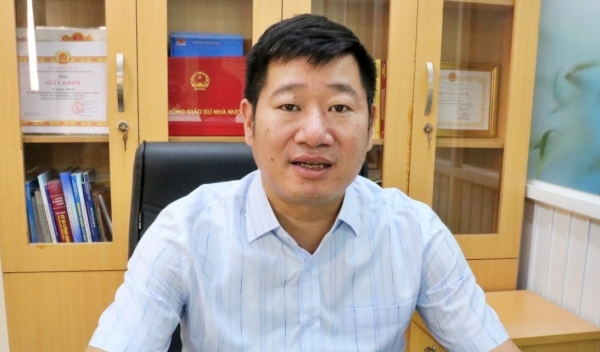
According to Associate Professor Dr. Le Quang Duyen, Head of the Petroleum and Energy Department, the Vietnam University of Mining and Geology, the oil and gas sector and Petrovietnam need to be provided with more favorable institutional conditions to fully exploit their potential:
"To fulfill this role, the Petroleum Law needs to continue improving its institutional framework and grant greater autonomy to Petrovietnam in technology investment and project implementation. This is the key factor for Petrovietnam not only to maintain but also enhance its position in the new context."
Analysis of the Benefits of Granting Autonomy
Granting greater autonomy to Petrovietnam will bring many practical benefits:
| Field | Benefits When Granted Autonomy |
|---|---|
| Technology Investment | Proactively research, transfer, and apply new technologies, especially in renewable energy and high-tech sectors |
| Project Implementation | Shorten approval time, accelerate the implementation of new energy projects, reduce management costs |
| Human Resource Development | Create opportunities to attract and train high-quality human resources, enhance the competitiveness of the sector |
| International Cooperation | Strengthen cooperation with world-leading energy corporations, access advanced capital and technology sources |
Successful International Examples
Many major energy corporations worldwide have succeeded thanks to being granted significant operational autonomy. For example:
- Equinor (Norway): Granted autonomy in investing in renewable energy, helping the corporation successfully transform from a traditional oil and gas company into an integrated energy corporation with an increasing proportion of renewable energy
- Statoil (Norway): Granted autonomy in research and development of deep-water oil and gas technology, helping the corporation become a world leader in offshore oil and gas extraction
- Shell: Granted autonomy in long-term strategy, helping the corporation quickly adapt to global energy transition trends
Petrovietnam's Orientation for Marine Energy Development
Petrovietnam has identified marine energy development as one of its key priorities in the coming period. Key focus areas include:
- Investing in offshore wind power - a sector with great potential for Vietnam
- Developing green hydrogen - the clean energy source of the future
- Applying carbon capture, utilization, and storage (CCUS) technology to reduce emissions
- Developing hybrid energy projects combining oil and gas with renewable energy
Conclusion
Granting greater autonomy to Petrovietnam is not only an urgent requirement to ensure national energy security in the short term but also a strategic orientation for the corporation to become a leader in marine energy development, contributing to Vietnam's sustainable development and energy transition goals.
Improving the institutional framework and creating favorable conditions for Petrovietnam will help the corporation quickly adapt to global energy transition trends while simultaneously leveraging Vietnam's geographical advantages and marine energy potential to create significant added value for the economy.
#Petrovietnam #MarineEnergy #EnergySecurity #EnergyTransition #OilAndGas #Vietnam