Deputy Prime Minister Pham Gia Tuc Outlines Sustainable Development Path for Vietnam's Coal and Mining Industry
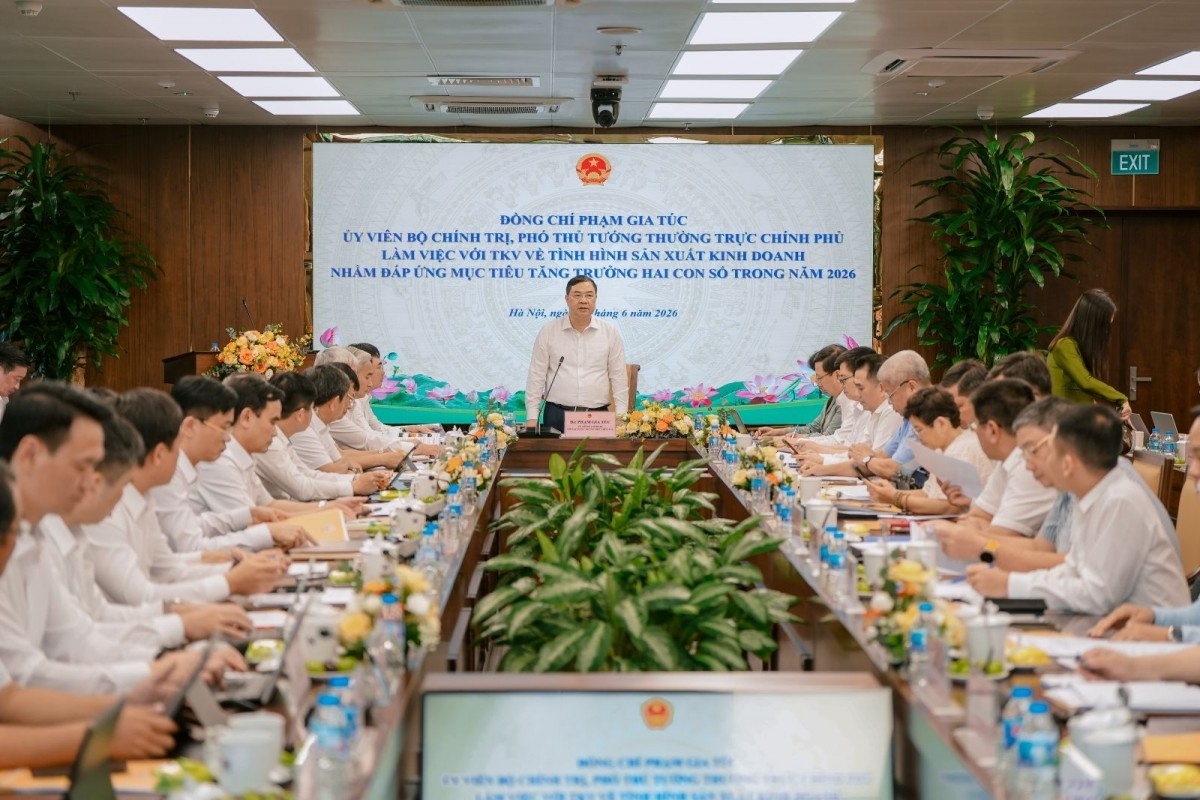
On June 29, at the headquarters of the Vietnam National Coal and Mineral Industries Group (TKV), Deputy Prime Minister Pham Gia Tuc chaired a significant working session with TKV leadership. The program aimed to evaluate the current production and business situation, identify existing difficulties and obstacles, and propose practical solutions to overcome these challenges, with the ultimate goal of achieving double-digit growth by 2026 and in subsequent years.
This high-level meeting underscores the Vietnamese government's commitment to supporting strategic industries that play a crucial role in the nation's economic development. The coal and mining sector, represented by TKV, remains a vital component of Vietnam's energy mix and industrial base, making this strategic planning session of national importance.
Current State of TKV's Operations
In the current context, TKV is facing numerous challenges in its production and business activities. These issues not only impact business efficiency but also create urgent requirements for finding feasible solutions. The mining industry globally is undergoing significant transformation due to environmental concerns, technological advancements, and shifting energy landscapes, placing TKV at a critical juncture in its development.
As Vietnam continues its economic development while addressing environmental commitments, TKV must balance its traditional role as a coal producer with the need to adapt to more sustainable practices and diversify its operations. This transition presents both challenges and opportunities for the state-owned enterprise.
| Indicator | 2022 Actual | 2023 Target | 2026 Orientation |
|---|---|---|---|
| Coal Production | 40 million tons | 45 million tons | 60 million tons |
| Revenue Growth | 10% | 15% | 20% |
| Profit | 2,500 billion VND | 3,000 billion VND | 4,500 billion VND |
Challenges and Obstacles
During the working session, TKV representatives presented several critical challenges that the organization is currently facing:
- Rising Input Costs: The cost of raw materials, equipment, and energy has been steadily increasing, putting pressure on profit margins and requiring more efficient production methods.
- Technology Access Barriers: Difficulty in accessing and implementing new mining technologies that could enhance efficiency and safety while reducing environmental impact.
- High-Quality Human Resource Shortages: A lack of skilled workers, engineers, and technical experts who can operate advanced mining equipment and implement modern mining practices.
- Environmental and Safety Concerns: The need to improve environmental protection measures and enhance workplace safety standards across all mining operations.
These challenges are compounded by global trends toward decarbonization and the increasing importance of environmental, social, and governance (ESG) factors in industrial operations. TKV must navigate these complex issues while maintaining its production targets and economic contributions.
Strategic Directions and Solutions
Deputy Prime Minister Pham Gia Tuc emphasized that to achieve sustainable growth targets, TKV needs to focus on several key solutions:
- Technology Investment and Innovation: Increasing investment in modern mining technologies, automation, and digital transformation to improve efficiency, safety, and environmental performance. This includes adopting smart mining technologies that can optimize resource extraction while minimizing environmental impact.
- Resource Management and Cost Optimization: Implementing advanced resource management systems to improve extraction efficiency and reduce waste, while optimizing production costs through better planning and process improvements.
- Human Resource Development: Strengthening training programs and partnerships with educational institutions to develop a skilled workforce capable of operating advanced technologies and implementing modern mining practices.
- Safety and Environmental Protection: Enhancing safety protocols and environmental management systems across all operations, with particular attention to reducing emissions, minimizing land disturbance, and implementing effective rehabilitation programs for mined areas.
The Deputy Prime Minister also highlighted the importance of diversification, suggesting that TKV should explore opportunities in mineral processing, renewable energy projects, and other value-added activities that leverage the company's technical expertise and infrastructure.
Future Outlook
The working session with Deputy Prime Minister Pham Gia Tuc has opened up numerous opportunities for TKV to overcome current challenges. The proposed solutions will play a crucial role in driving growth, improving production and business efficiency, and moving toward sustainable development goals.
This strategic planning represents a significant step forward, contributing to the development of Vietnam's coal and mining industry while affirming TKV's role in the national economy. As Vietnam continues its economic development while addressing environmental commitments, TKV's transformation will be closely watched as a case study of how traditional industries can adapt to changing global conditions.
The government's support, as demonstrated by this high-level engagement, signals a commitment to ensuring the continued relevance and competitiveness of TKV in the evolving industrial landscape. With proper implementation of the outlined strategies, TKV is positioned to meet its ambitious targets while contributing to Vietnam's economic and energy security.