Russia Accelerates Global LNG Exports Through Shadow Fleet
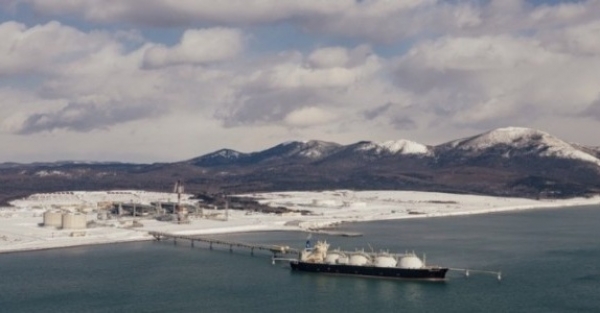
A new Russian-flagged LNG (Liquefied Natural Gas) vessel has recently received a cargo from the floating storage unit serving the Arctic LNG 2 project, indicating Moscow's intensified efforts to maintain natural gas flows to global markets despite international sanctions.
Background of Russia's LNG Export Campaign
As Western sanctions limit access to specialized LNG carrier fleets, Russia is increasingly relying on a "shadow fleet" – vessels operating under flags of convenience or not fully complying with international regulations to transport LNG.
The Arctic LNG 2 project, one of Russia's largest energy initiatives, is becoming the centerpiece of Moscow's gas export strategy. The project has a designed capacity of approximately 19.8 million tons of LNG per year and plays a crucial role in Russia's efforts to strengthen its position in the global energy market.
Latest Event Details
According to the latest information, a new Russian-flagged LNG vessel has taken on a cargo from the floating storage unit "Christophe de Margerie" – one of the world's largest floating LNG storage vessels, operating within the Arctic LNG 2 project framework.
This event demonstrates Russia's growing flexibility in using alternative transportation options to maintain LNG export operations, especially after Western shipping companies and insurance providers withdrew from the market due to sanctions.
The Shadow Fleet: An Alternative Solution
Russia's shadow fleet consists of vessels registered under flags of convenience such as Sierra Leone, Comoros, or Cambodia, or using complex intermediaries to obscure the origin of the cargo. These ships often do not fully comply with international safety and environmental regulations.
This strategy allows Russia to continue exporting LNG to markets like China and India – countries that have not joined the sanctions – while reducing dependence on Western transportation infrastructure.
| Feature | Standard LNG Carriers | Russia's Shadow Fleet Vessels |
|---|---|---|
| Vessel Flag | Primarily Japan, South Korea, USA | Russia or flag of convenience countries |
| Insurance Companies | Western insurance companies | Russian or non-sanctioning countries' insurers |
| Regulatory Compliance | High, compliant with IMO and SOLAS | Lower, often avoiding strict regulations |
| Primary Destinations | Europe, North America, East Asia | China, India, non-sanctioning countries |
Market Analysis and Impact
The increasing use of shadow fleets is creating new challenges for the global LNG market. Analysts suggest that this strategy helps Russia maintain crucial foreign exchange revenue but also increases maritime safety and environmental risks.
"The shadow fleet allows Russia to access markets that would otherwise be inaccessible through official channels," said Ivan Petrov, energy expert at the Russian Economic Research Institute. "However, transportation costs may be higher due to increased risks and shorter vessel lifespans."
According to a report from the International Commodity Exchange, Asian LNG prices have increased by approximately 15% in the first quarter of this year, partly due to concerns about Russian supply and transportation complexities.
Arctic LNG 2 Project - Russia's Export Pillar
The Arctic LNG 2 project, operated by energy giant Novatek, is considered the world's largest LNG project currently. The project utilizes next-generation LNG technology to extract natural gas from gas fields in the Arctic seas – one of the world's most challenging environments.
The project includes three production trains with a total capacity of 19.8 million tons/year, with the first train beginning operations in 2021. The project uses advanced Natural Gas Liquids (NGL) technology, which reduces production costs and greenhouse gas emissions.
Future Outlook
Energy expert Maria Ivanova forecasts: "Russia will continue to develop its shadow fleet to maintain LNG export capabilities, especially as sanctions are extended. However, this method is only a temporary solution; in the long term, Russia needs to build a more independent and sustainable LNG transportation system."
Energy consulting firm Rystad Energy estimates that Russia could export approximately 35-40 million tons of LNG by 2025, with 60-70% potentially transported via the shadow fleet if sanctions continue.
Meanwhile, major LNG consuming countries like China and India are taking advantage of the opportunity to purchase Russian LNG at discounted prices, helping to diversify their supply sources and reduce dependence on traditional suppliers like Qatar and Australia.
The competition for global LNG market share is intensifying, with Russia using all available tools to maintain its position, while Western countries seek to limit Moscow's energy influence through sanctions and new energy cooperation initiatives.