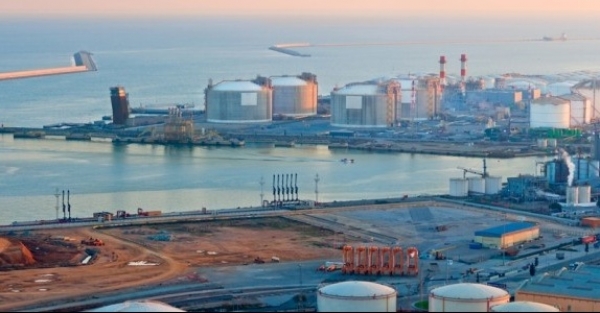
Gulf Nations Accelerate Oil and LNG Operations as Strait of Hormuz Reopens
In a significant development for global energy markets, the Strait of Hormuz—one of the world's most critical maritime chokepoints—has reopened to international shipping. This pivotal moment has triggered a surge in oil and liquefied natural gas (LNG) loading activities across Gulf nations, presenting substantial economic opportunities for the region. The strait, through which approximately 20% of the world's oil supplies transit, has become the focal point of renewed energy diplomacy and commercial activity.
Current Situation at the Strait of Hormuz
The reopening of the Strait of Hormuz marks a critical turning point in global energy transportation dynamics. Following a period of heightened regional tensions that had disrupted normal shipping lanes, the waterway is now fully operational, allowing Gulf producers to maximize their export capabilities. Major terminals in Saudi Arabia, the United Arab Emirates, Kuwait, and Qatar are operating at near-full capacity, with increased vessel traffic and accelerated loading procedures now in effect.
"The resumption of normal operations through the Hormuz Strait represents a significant relief for global energy markets," stated energy analyst Dr. Ahmed Hassan from the Gulf Research Center. "With approximately 17-20 million barrels of oil passing through this strategic waterway daily, its stabilization has immediate implications for global supply chains and price stability."
Economic Drivers Behind the Increased Activity
The intensified oil and LNG operations across the Gulf region are driven by multiple economic factors. Primarily, nations are capitalizing on the reopening to restore export revenues that were impacted during the period of restricted access. For oil-dependent economies, this represents a crucial opportunity to strengthen fiscal positions and economic growth prospects.
Government investment in port infrastructure and modern loading technologies has accelerated significantly. These enhancements aim to optimize loading operations, reduce turnaround times, and increase overall export capacity. The Gulf Cooperation Council (GCC) countries have collectively allocated approximately $15 billion over the past two years for port modernization and expansion projects.
"The competitive advantage for Gulf producers lies in their existing infrastructure and strategic location," explained energy economist Dr. Fatima Al-Sudairi. "By investing in state-of-the-art loading facilities and digital logistics systems, these nations are positioning themselves to maintain market share despite increasing global competition."
Production and Export Statistics
The Gulf region's energy production capabilities remain formidable, with Saudi Arabia leading in crude oil exports while Qatar dominates the global LNG market. The following table illustrates the current production capacities of key Gulf nations:
| Country | Crude Oil Production (Million Barrels/Day) | LNG Production Capacity (Million Tons/Year) | Primary Export Destinations |
|---|---|---|---|
| Saudi Arabia | 10.4 | 0.5 | Asia, Europe, North America |
| United Arab Emirates | 3.9 | 3.5 | Asia, Japan, South Korea |
| Kuwait | 2.8 | 0.0 | Asia, Europe, USA |
| Qatar | 1.5 | 77.0 | Asia, Europe |
Saudi Arabia maintains its position as the world's largest crude oil exporter, with production capacity exceeding 10 million barrels per day. The kingdom has announced plans to further increase its maximum sustainable production capacity to 13 million barrels per day by 2026. Meanwhile, Qatar continues to dominate the global LNG market, accounting for approximately 20% of global trade in this critical energy commodity.
Strategic Implications for Global Energy Markets
The resumption of normal operations through the Strait of Hormuz carries significant implications for global energy markets. The immediate effect has been increased market liquidity and reduced price volatility, particularly in Asian and European markets where Gulf energy products constitute a substantial portion of imports.
"The stabilization of the Hormuz corridor has immediate implications for global energy security," noted energy market analyst James Mitchell. "For consuming nations, particularly in Asia and Europe, this means more predictable supply chains and reduced geopolitical risk premiums in energy pricing."
The reopening has also triggered strategic shifts in global energy trade flows. With Gulf producers able to reliably supply their traditional markets while exploring new opportunities, we're witnessing the reconfiguration of some long-standing trade relationships. Additionally, the development of alternative routing options and contingency shipping plans by major energy consumers indicates a broader reassessment of supply chain vulnerabilities.
Challenges and Opportunities Ahead
Despite the positive momentum, Gulf energy producers face several challenges that could impact their long-term competitiveness. Regional political tensions continue to pose risks to the stability of shipping lanes through the Strait of Hormuz, necessitating ongoing diplomatic efforts to maintain open access.
Environmental considerations are increasingly influencing energy policy across the Gulf region. As global climate concerns intensify, these nations are facing pressure to reduce the carbon footprint of their energy exports. This has prompted investments in carbon capture technologies and the development of blue hydrogen production capabilities as complementary revenue streams.
"The transition toward cleaner energy sources represents both a challenge and an opportunity for Gulf producers," stated environmental economist Dr. Layla Al-Rashid. "While the long-term demand for fossil fuels may evolve, the strategic location and existing infrastructure of these nations position them well to become hubs for low-carbon energy technologies."
The growing competitiveness of renewable energy sources presents another challenge. As solar and wind technologies become increasingly cost-effective, Gulf nations are diversifying their energy portfolios to include renewable generation. The region's abundant solar resources, in particular, offer significant potential for domestic power generation and export of green hydrogen.
Future Outlook
The reopening of the Strait of Hormuz represents more than a temporary reprieve for energy markets—it signals a potential reconfiguration of global energy dynamics. Gulf nations are leveraging this moment to consolidate their market positions while preparing for the long-term transition to a diversified energy future.
Investment in digital transformation of energy logistics is accelerating, with Gulf ports implementing blockchain-based tracking systems, AI-driven vessel traffic management, and automated loading facilities. These technological advancements promise to enhance efficiency and safety while reducing environmental impact.
Looking ahead, the Gulf region's energy strategy appears to be evolving toward a three-pronged approach: maximizing traditional oil and gas exports while developing domestic renewable capabilities and positioning as leaders in low-carbon energy technologies. This balanced strategy aims to maintain economic relevance throughout the energy transition while addressing environmental imperatives.
"The reopening of the Hormuz Strait should be viewed as an opportunity rather than simply a return to normal," concluded energy strategist Dr. Mohammed Al-Farsi. "For Gulf nations, this represents a chance to reimagine their role in the global energy system, leveraging their strategic advantages to build a more resilient and diversified energy future."
The coming years will likely see continued investment in both conventional and alternative energy infrastructure across the Gulf region, as nations navigate the complex interplay of market forces, environmental considerations, and geopolitical realities in the evolving global energy landscape.