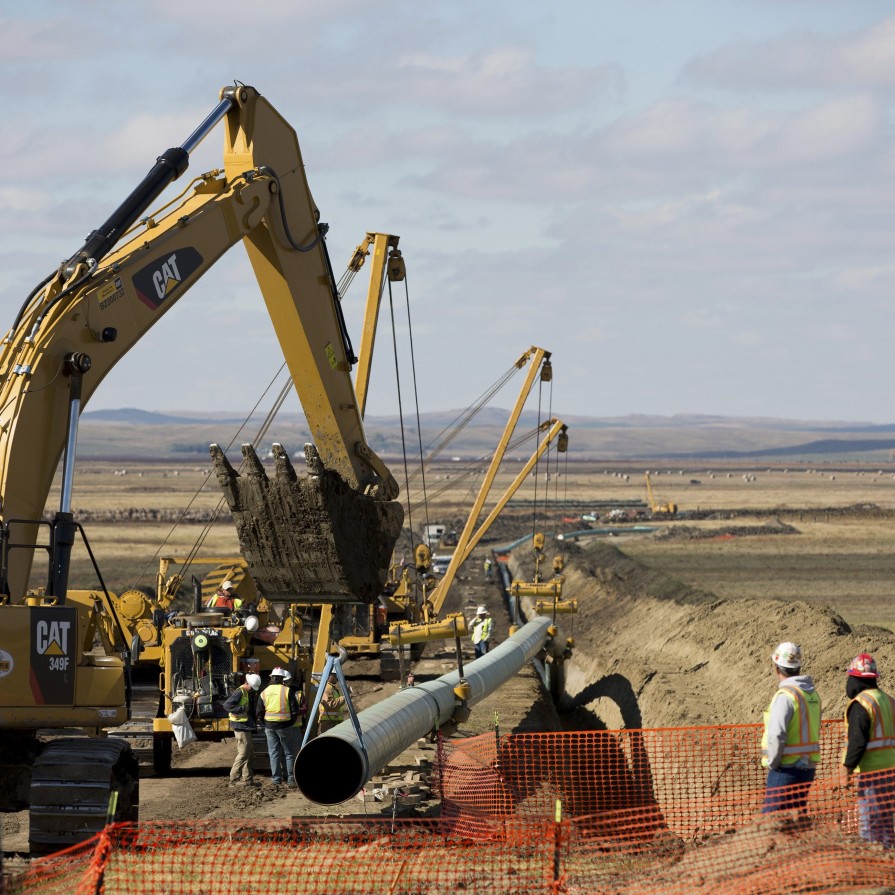
US Crude Inventories Decline Sharply as Strategic Reserve Hits 40-Year Low
The American Petroleum Institute (API) has reported a significant drop in US crude oil inventories, with commercial stockpiles decreasing by 6.072 million barrels during the week ending June 26th. This follows a more modest decline of 765,000 barrels in the previous week. The persistent reduction in commercial crude inventories—totaling 59.4 million barrels over the past 11 weeks—has been partially offset by continued withdrawals from the Strategic Petroleum Reserve (SPR), resulting in a year-to-date decrease of only 8 million barrels.
Strategic Petroleum Reserve (SPR) Situation
During the week ending June 26th, an additional 5.5 million barrels were withdrawn from the SPR, bringing the total reserve down to 325.7 million barrels. This represents the lowest level since 2023 and marks a 40-year low for this critical energy security buffer. The current SPR stands 399 million barrels below its maximum operational capacity.
| Indicator | Week Ending June 26 | Previous Week | Change |
|---|---|---|---|
| Strategic Petroleum Reserve (million barrels) | 325.7 | 331.2 | -5.5 |
| Level relative to maximum capacity | 399 million barrels below max | 393.5 million barrels below max | -5.5 million barrels |
US Oil Production
According to the latest data from the US Energy Information Administration (EIA), American oil production has risen to 13.819 million barrels per day (bpd) in the week ending June 19th. This represents an increase from 13.806 million bpd in the prior week and a year-over-year increase of 384,000 bpd. The sustained growth in domestic production comes amid fluctuating global oil markets and ongoing geopolitical tensions in key oil-producing regions.
Oil Market Prices
As of 4:36 PM ET on Tuesday, Brent crude was trading down for the day at $73.40 per barrel (-0.69%), following the partial restoration of oil flows through the Strait of Hormuz. West Texas Intermediate (WTI) crude also declined, falling $0.69 per barrel (-0.98%) to $70.06 per barrel, representing a decrease of approximately $3 per barrel compared to the previous week.
| Crude Type | Price (USD/barrel) | Change (%) | Change from Previous Week |
|---|---|---|---|
| Brent | 73.40 | -0.69% | - |
| WTI | 70.06 | -0.98% | -~3 USD/barrel |
Gasoline and Distillate Inventories
Gasoline inventories decreased during the reporting week, falling by 2.106 million barrels in the week ending June 26th. This reversal follows a 1.238 million barrel increase in the previous week. According to the latest EIA data, gasoline inventories were 5% below the five-year average for the same period.
In contrast, distillate inventories (which include diesel and heating oil) increased by 2.9 million barrels, following a 1.447 million barrel gain in the prior week. The most recent EIA data indicates that distillate inventories were 10% below the five-year average as of the week ending June 19th.
Cushing Inventories
Inventory levels at Cushing, Oklahoma—the delivery hub for WTI futures contracts—increased by 503,000 barrels during the reporting period. This follows a decrease of 982,000 barrels in the previous week, reflecting the dynamic nature of the US oil storage infrastructure and its role in balancing regional supply and demand.
| Inventory Type | Week Ending June 26 | Previous Week | Trend |
|---|---|---|---|
| Crude Oil | -6.072 million barrels | -765,000 barrels | Sharp Decline |
| Gasoline | -2.106 million barrels | +1.238 million barrels | Decline |
| Distillates | +2.9 million barrels | +1.447 million barrels | Increase |
| Cushing | +503,000 barrels | -982,000 barrels | Increase |
Conclusion
The API data reveals a US oil market experiencing significant supply constraints, evidenced by the steep decline in crude oil inventories partially offset by SPR withdrawals. US oil production continues to rise amid slightly declining oil prices. The divergent trends in gasoline and distillate inventories suggest a complex demand landscape for petroleum products, with stronger demand for gasoline compared to distillates.
The 40-year low in SPR levels may create challenges for the US government in maintaining energy security, particularly in the context of potential geopolitical tensions in the Middle East. The current inventory dynamics suggest that while domestic production is increasing, the market remains sensitive to supply disruptions and geopolitical developments in key oil-producing regions.
Julianne Geiger, Oilprice.com