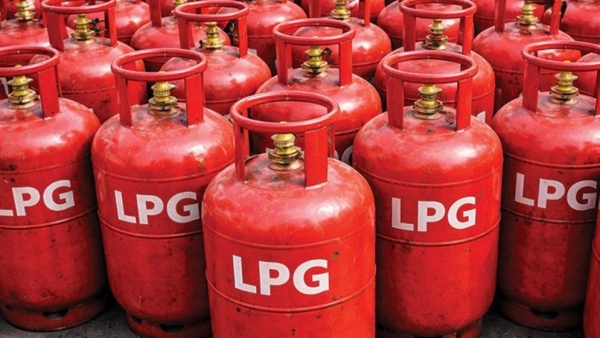
Saudi Arabia and Algeria Slash LPG Prices in July Amid Rising Global Supply
In a significant development for global energy markets, Saudi Arabia and Algeria, two of the world's largest LPG exporters, have simultaneously announced price reductions for liquefied petroleum gas in July 2023. This strategic move comes as global LPG supply continues to expand, potentially reshaping energy consumption patterns worldwide and offering immediate relief to consumers.
Understanding LPG and Its Global Significance
Liquefied Petroleum Gas (LPG) is a hydrocarbon fuel mixture consisting primarily of propane and butane, produced during petroleum refining or natural gas processing. This versatile energy source plays a crucial role across multiple sectors including residential heating, cooking, industrial processes, transportation, and chemical manufacturing.
As a cleaner alternative to traditional coal and oil, LPG has gained increasing prominence as a transitional energy solution, particularly in regions lacking infrastructure for piped natural gas or electricity. The global LPG market, valued at approximately $250 billion in 2022, continues to grow as developing nations seek affordable and cleaner energy options.
Saudi Arabia's July LPG Price Reduction
The Saudi Ministry of Industry and Mineral Resources has announced substantial domestic LPG price adjustments for July 2023, continuing a downward trend initiated earlier this year. The specific price reductions include:
- 12kg cylinder: Decreased from 35 riyal (approximately $9.33) to 30 riyal (approximately $8.00)
- 22kg cylinder: Decreased from 65 riyal (approximately $17.33) to 55 riyal (approximately $14.67)
- 45kg cylinder: Decreased from 130 riyal (approximately $34.67) to 110 riyal (approximately $29.33)
This marks the second consecutive price reduction by Saudi Arabia in 2023, following similar adjustments in April. As the world's leading LPG producer with an annual output exceeding 14 million tons, Saudi Arabia's pricing decisions carry significant weight in global energy markets. The kingdom's LPG production primarily serves both domestic consumption and export markets, with Asia and Europe being primary destinations.
Algeria's Parallel Price Adjustment
Responding to similar market dynamics, Algeria has implemented its own domestic LPG price reductions effective July 1, 2023. According to the state-owned energy company Sonatrach:
- 12kg cylinder: Reduced from 800 dinar (approximately $6.00) to 700 dinar (approximately $5.25)
- 13kg cylinder: Reduced from 900 dinar (approximately $6.75) to 750 dinar (approximately $5.63)
- 27kg cylinder: Reduced from 1,800 dinar (approximately $13.50) to 1,500 dinar (approximately $11.25)
As Africa's second-largest LPG producer after Nigeria, Algeria maintains an annual production capacity of approximately 10 million tons. The price reduction aligns with Algeria's economic priorities of supporting household budgets amid ongoing economic challenges while maintaining competitiveness in international markets.
Factors Behind the Price Reductions
The synchronized price adjustments by Saudi Arabia and Algeria occur against a backdrop of increasing global LPG supply. According to the U.S. Energy Information Administration (EIA), global LPG production reached a record 35 million tons in Q2 2023, representing a 3.2% increase year-over-year.
Key factors contributing to the supply increase include:
- Rising crude oil production from the United States, Canada, and Middle Eastern countries, simultaneously increasing LPG as a byproduct
- Expansion of natural gas processing facilities across Asia and the Middle East
- Reduced demand from the chemical industry due to global economic slowdown
- Increased export volumes from the United States to Asian and European markets
- Enhanced production efficiency in major LPG-producing nations
| Country/Region | 2022 Production (million tons) | Q1 2023 Production (million tons) | Growth (%) |
|---|---|---|---|
| United States | 28.5 | 29.8 | 4.6 |
| Saudi Arabia | 13.2 | 14.1 | 6.8 |
| Qatar | 11.8 | 12.5 | 5.9 |
| Algeria | 9.5 | 10.2 | 7.4 |
| Global Total | 395.2 | 412.8 | 4.5 |
Market Implications
The coordinated price reductions by Saudi Arabia and Algeria are expected to create ripple effects across global energy markets. The potential impacts span multiple dimensions:
1. Consumer Impact
- Immediate reduction in household energy expenses, particularly beneficial in developing nations
- Improved accessibility to cleaner energy alternatives in underserved regions
- Accelerated transition from traditional biomass and coal to LPG in rural areas
- Potential increase in LPG adoption for vehicle fuel in markets with supportive infrastructure
2. Industrial Sector Impact
- Reduced input costs for LPG-dependent manufacturing processes
- Enhanced competitiveness for industries utilizing LPG as feedstock or fuel
- Potential acceleration of investment in LPG-powered technologies
- Shift in energy sourcing strategies toward more cost-effective LPG solutions
3. International Market Dynamics
- Downward price pressure on other LPG exporters to remain competitive
- Intensified competition in export markets, particularly in Asia and Europe
- Increased import activity in price-sensitive markets across Asia and Africa
- Potential reconfiguration of global LPG trade flows and pricing mechanisms
Future Outlook for the LPG Market
Energy market analysts project that the current downward price trend in LPG may persist in the coming months due to continued supply abundance. However, the long-term trajectory faces several potential challenges and opportunities:
- Energy transition toward renewable sources may gradually reduce LPG demand in certain sectors
- Government policies promoting clean energy adoption could create both challenges and opportunities for LPG
- Volatility in crude oil prices will continue to influence LPG production economics
- The trend toward electrification in industry and transportation may reshape LPG consumption patterns
- Emerging applications in marine fuel and power generation could create new demand segments
- Technological advancements in LPG storage and distribution may expand its reach
Despite these challenges, LPG is projected to maintain a significant role in the global energy mix, particularly in developing economies and mobile energy applications. The International Energy Agency forecasts that LPG demand will continue growing through 2030, albeit at a slower pace than previous decades.
Conclusion
The synchronized LPG price reductions by Saudi Arabia and Algeria in July 2023 reflect a strategic market response to increasing global supply. This development not only provides immediate relief to consumers but also potentially accelerates the adoption of cleaner energy alternatives. As the energy landscape continues to evolve, the LPG industry will need to adapt through technological innovation and strategic positioning within broader energy transition frameworks.
The current price adjustments highlight the dynamic nature of global energy markets and the interconnectedness of producer and consumer nations. While short-term benefits are clear, long-term sustainability will depend on the industry's ability to navigate the complex transition toward a more diversified and renewable energy future.