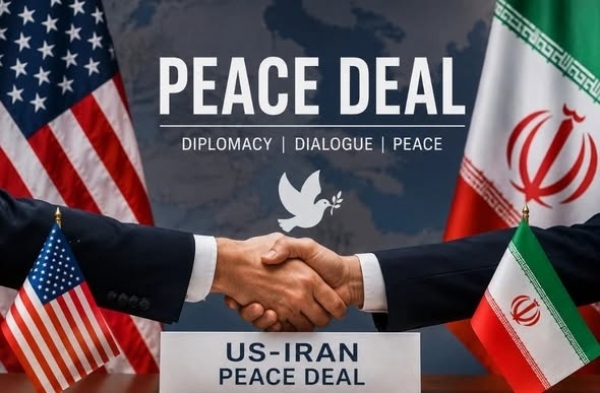
US and Iran Conclude New Round of Critical Negotiations in Qatar
Iranian Deputy Foreign Minister Kazem Gharibabadi has announced that negotiations held in the Qatari capital of Doha regarding the implementation of a memorandum between Tehran and Washington have concluded. This development occurs against a backdrop of continuing tensions between the two nations, yet demonstrates that diplomatic efforts remain ongoing despite the challenges.
Historical Context of US-Iran Relations
Relations between the United States and Iran have experienced numerous fluctuations over the past several decades. Following the 1979 Islamic Revolution, the two nations severed diplomatic ties. Relations have become increasingly strained since the US withdrawal from the Iran Nuclear Deal in 2018 and the imposition of severe sanctions against the Islamic Republic.
In 2021, indirect negotiations regarding the restoration of the nuclear agreement commenced in Vienna, but stalled after Iran demanded that the US remove all sanctions before proceeding with further steps. This fundamental disagreement has continued to complicate diplomatic efforts between the two nations.
Details of the Qatar Negotiations
The recent round of talks in Doha focused specifically on implementing the memorandum previously agreed upon by both parties. According to Deputy Minister Gharibabadi, Iran clearly presented its position during the discussions.
The primary objective of the negotiations was to determine effective methods for implementing the agreed commitments, particularly concerning prisoner exchanges and confidence-building measures.
Key Points in the Memorandum
- Prisoner exchange between the two countries
- Unfreezing Iranian bank accounts held at foreign financial institutions
- Ensuring the safety of an imprisoned Iranian diplomat in the United States
- Resolving legal issues related to Iranian assets
Reactions from Involved Parties
Iran has emphasized its consistent support for resolving issues through diplomatic dialogue, while simultaneously affirming that Iran's legitimate rights cannot be overlooked. Iranian officials have maintained that any agreement must respect Iran's national sovereignty and economic interests.
From the US perspective, an anonymous foreign official stated that Washington remains committed to seeking diplomatic solutions, but emphasized that Iran must comply with its international commitments. The official noted that progress in negotiations would depend on Iran's willingness to address concerns regarding its nuclear program and regional activities.
| Party | Primary Position | Main Demands |
|---|---|---|
| Iran | Demands complete removal of all US sanctions | Protection of national rights and security |
| United States | Demands Iranian compliance with nuclear agreement | Reduction of nuclear threats |
| Qatar | Mediating role | Regional stability in the Middle East |
Impact on the Middle East Region
The outcome of these negotiations could have profound implications for security and political dynamics across the Middle East. A successful agreement could help reduce regional tensions, while failure could lead to further escalation.
International analysts note that Qatar is playing a crucial role in facilitating the negotiations, particularly following its successful mediation in the 2021 US-Afghan prisoner exchange agreement. The Qatari government has increasingly positioned itself as a neutral mediator in complex regional disputes.
Future Prospects
Although the Qatar negotiations have concluded, it remains unclear whether additional rounds of talks will be scheduled. Both sides have maintained cautious positions, without making clear commitments about next steps.
Diplomatic sources suggest that discussions may continue in the coming months, but the progress will depend on flexibility from both parties and evolving international factors. The potential for renewed negotiations could be influenced by upcoming international forums, changes in domestic politics in either country, or shifts in regional alliances.
Broader Implications for Global Diplomacy
The US-Iran negotiations represent one of the most significant diplomatic challenges in contemporary international relations. The complexity of issues involved—ranging from nuclear nonproliferation to regional security to economic sanctions—creates a multidimensional puzzle that requires careful balancing of competing interests.
The continued engagement between Washington and Tehran, despite deep-seated mistrust, demonstrates the potential of diplomatic channels even in the most strained relationships. Success in these negotiations could establish a precedent for resolving other complex international disputes through sustained dialogue rather than confrontation.
Conclusion
The recent round of negotiations in Qatar between the United States and Iran, while not producing immediate concrete results, underscores the persistence of diplomatic efforts amidst a challenging bilateral relationship. The implementation of the memorandum between the two parties represents a crucial first step in building trust and could pave the way for more substantive discussions on larger issues such as Iran's nuclear program.
The international community is closely monitoring developments, with hopes that diplomacy will continue to be the preferred path for resolving disagreements, rather than escalating tensions that could impact global stability. The role of mediators like Qatar highlights the importance of neutral third parties in facilitating dialogue between adversaries with long histories of conflict.
As both nations navigate domestic political considerations and regional dynamics, the path forward remains uncertain. However, the mere continuation of dialogue offers a glimmer of hope that even the most entrenched conflicts can be addressed through persistent diplomatic engagement.
USIran #QatarNegotiations #InternationalRelations #MiddleEast