Kuwait Petroleum Corporation Issues Special Requirements for $7 Billion Oil Pipeline Deal
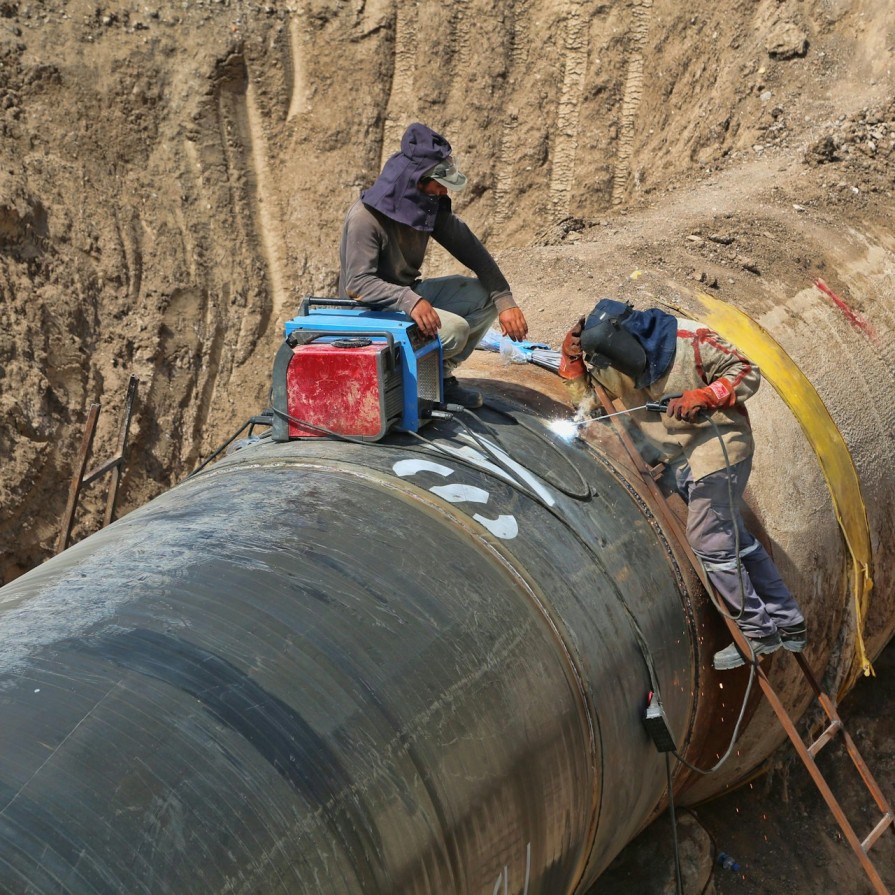
The state-owned Kuwait Petroleum Corporation (KPC) has requested that certain asset management funds participating in an auction for stakes in its oil pipeline network seek additional investors in their proposals, according to unnamed sources familiar with the process on Thursday.
Background of the Major Auction
Earlier this year, reports indicated that KPC was considering following in the footsteps of its Saudi Arabian and Abu Dhabi counterparts by attracting international infrastructure investors to purchase stakes in its oil pipeline network. This transaction, estimated at $7 billion, could be one of the largest in the energy region.
KPC launched this process amid escalating regional tensions, demonstrating the company's commitment to completing the deal with a consortium of investors regardless of the geopolitical situation in the Middle East.
Auction Process and Potential Investors
According to Reuters sources, investors including BlackRock's Global Infrastructure Partners (GIP), Brookfield, EIG Global Energy Partners, KKR, and Apollo have advanced to the next stage of the sale process. This indicates significant interest from top global investment funds in Kuwait's strategic energy assets.
The world's largest asset manager, BlackRock, along with Brookfield Asset Management, EIG Partners, and KKR have expressed interest in the assets that Kuwait plans to lease and lease back to raise capital.
| Potential Investors | Level of Interest | Similar Experience |
|---|---|---|
| BlackRock (Global Infrastructure Partners) | High | Participated in major deals in Saudi Arabia |
| Brookfield Asset Management | High | Manages numerous global infrastructure assets |
| EIG Global Energy Partners | Medium | Specializes in energy investments |
| KKR | High | Acquired stakes in ADNOC Gas Pipeline |
| Apollo | Medium | Diversified across various sectors |
Regional Trend: Selling Oil Pipeline Stakes
If Kuwait successfully structures a deal, the country will join other major crude oil producers in the region like Saudi Arabia and United Arab Emirates (UAE) in selling minority stakes in oil pipelines through a concession model.
Oil-producing countries in the region are increasingly using lease and leaseback models to raise capital while maintaining strategic control over their important energy assets. This model allows them to leverage capital from major international investors while retaining underlying ownership.
Comparison with Similar Deals in the Region
In recent years, Saudi Arabia and UAE have signed similar deals with international investors, including BlackRock and KKR. These transactions have set precedents for Kuwait to pursue.
| Country | Company Name | Deal Value | Primary Investor | Related Assets |
|---|---|---|---|---|
| Saudi Arabia | Aramco | $11 billion | BlackRock (GIP) | Jafurah gas processing facilities |
| UAE | ADNOC | Undisclosed | KKR | ADNOC gas pipeline network |
| Kuwait | KPC | $7 billion (expected) | Yet to be determined | Oil pipeline network |
Strategic Importance
The Kuwaiti deal comes amid a challenging geopolitical landscape in the Middle East, including escalating tensions with Iran. KPC's continued push for this transaction demonstrates Kuwait's strong commitment to diversifying its financial sources and attracting foreign investment.
This model not only helps Kuwait raise significant capital but also allows the company to focus on its core business of oil production and exploration, while international investors gain the opportunity to own a portion of a strategic infrastructure asset with stable cash flows.
Conclusion
KPC's advancement to the next phase in the $7 billion oil pipeline stake sale marks a significant step in Kuwait's financial strategy. If successful, this deal will reinforce the growing trend among major oil producers in the region to partner with international infrastructure investors to optimize asset value.
Analysts suggest that despite geopolitical tensions, demand for stable, cash-generating energy assets remains high, which explains the strong interest from global funds such as BlackRock, Brookfield, and KKR.
Charles Kennedy for Oilprice.com