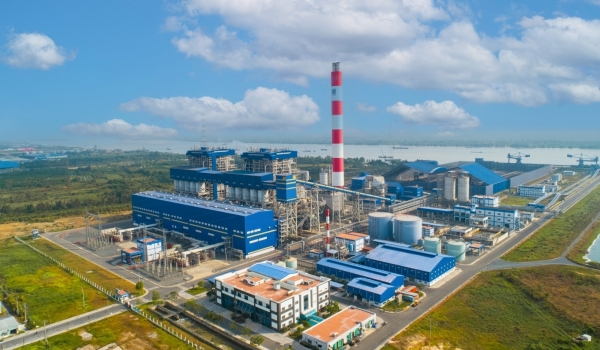
Thermal Power: The Steady Pillar of Vietnam's Electricity System in a New Era of Growth
In the context of Vietnam entering a new phase of economic development, with ambitious targets of achieving double-digit GDP growth in the coming years, electricity demand is projected to increase at an unprecedented rate. This surge stems from multiple factors including rapid economic development, accelerating urbanization, and the rising consumption demands of an increasingly affluent population.
Driving the Energy Transition
The Vietnamese government has implemented numerous policies aimed at promoting energy transition, with particular emphasis on the vigorous development of renewable energy sources such as wind power and solar power. However, a critical question emerges: will thermal power continue to maintain its dominant role in the nation's electricity system amid these transformative changes?
Electricity Demand in the New Growth Phase
Forecasts indicate that electricity demand will continue to accelerate rapidly in the coming years, placing significant pressure on the current electricity infrastructure. This challenge is particularly pronounced in the context where renewable energy sources still face numerous obstacles in providing consistent and reliable power supply.
| Year | GDP Growth (%) | Electricity Demand (TWh) |
|---|---|---|
| 2023 | 8.5 | 300 |
| 2024 | 9.0 | 330 |
| 2025 | 9.5 | 360 |
The Enduring Role of Thermal Power
Thermal power continues to be regarded as the primary pillar of Vietnam's electricity system during this transitional period. Several key factors underpin this continued importance:
- Ensuring Stability: Thermal power plants possess the capability to generate electricity continuously, providing a stable power supply to consumption areas, which is crucial for industrial production and daily life.
- Technological Advancement: The thermal power industry has undergone continuous technological improvements, helping to minimize environmental pollution and enhance operational efficiency.
- Reasonable Investment Costs: Compared to many other renewable energy sources, thermal power still offers lower investment costs, making it a more economically viable option in the current phase of development.
Challenges and Opportunities in the Thermal Power Sector
Despite its continued importance, Vietnam's thermal power sector faces significant challenges that must be addressed to ensure sustainable development. Environmental concerns remain paramount, as traditional coal-fired power plants contribute substantially to greenhouse gas emissions and air pollution. The Vietnamese government has responded by implementing stricter environmental regulations and promoting the adoption of cleaner technologies.
Advanced technologies such as ultra-supercritical coal plants, carbon capture and storage (CCS), and integrated gasification combined cycle (IGCC) are being explored to reduce the environmental footprint of thermal power generation. These technological advancements represent a crucial pathway for the continued relevance of thermal power in Vietnam's energy mix.
Integration with Renewable Energy
While thermal power maintains its role as a baseload provider, its integration with renewable energy sources is becoming increasingly important. The intermittent nature of solar and wind power necessitates backup capacity that can quickly respond to fluctuations in renewable generation. Thermal power plants, particularly those with flexible operational capabilities, can provide this essential balancing service.
Hybrid power systems that combine thermal generation with renewable sources offer a promising approach to achieving a more diversified and resilient electricity grid. These systems can leverage the strengths of both energy types—providing the stability of thermal power while incorporating the sustainability benefits of renewables.
Future Outlook
Looking ahead, thermal power is expected to remain a critical component of Vietnam's electricity system for the foreseeable future. However, its role is likely to evolve from being the dominant source to serving as a complementary element in an increasingly diversified energy mix. The Vietnamese government's commitment to reducing carbon emissions while ensuring energy security suggests a balanced approach that incorporates both thermal and renewable sources.
Investment in modernizing existing thermal power facilities and developing new plants with advanced environmental controls will be essential to meeting both economic development goals and environmental commitments. This dual focus on reliability and sustainability will define the future trajectory of Vietnam's power sector.
Conclusion
In the context of escalating electricity demand and the ongoing development of renewable energy sources, thermal power continues to play a crucial role in Vietnam's electricity system. This importance stems not only from its ability to provide stable and reliable power but also from its economic advantages during the current phase of development. As Vietnam progresses toward its ambitious economic growth targets, a balanced energy strategy that incorporates both thermal power and renewable sources will be essential for ensuring sustainable economic development and energy security.