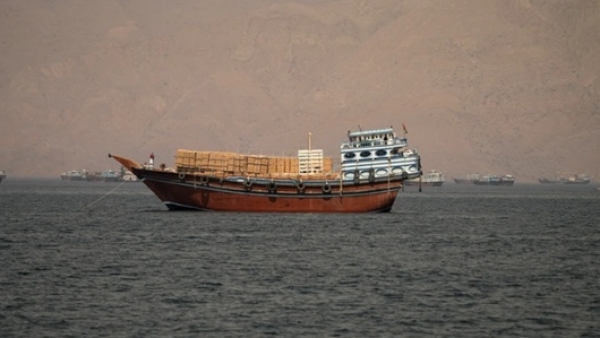
Iran Announces Shift from Traditional Toll Collection to Service-Based Fee Model in Strait of Hormuz
In a move that could reshape the global oil transportation landscape, Iran has officially announced its decision to abandon traditional fee collection methods in the Strait of Hormuz. Instead, the Iranian government will implement a revolutionary service-based fee model, drawing inspiration from Ticketmaster's successful approach in the entertainment industry but adapted specifically for the oil sector.
The Strait of Hormuz, a critical chokepoint in global oil transportation, serves as the passage for approximately one-fifth of the world's crude oil. This strategic waterway has long been a focal point for international shipping and geopolitical considerations. Iran's announcement marks a significant departure from decades of established practices in maritime toll collection.
Background and Context of the Decision
The Iranian government's decision comes amid broader efforts to reform and modernize the nation's oil industry. Facing international sanctions and seeking to enhance its position in the global energy market, Iran has been exploring innovative approaches to streamline its oil export operations. The new fee system represents a strategic pivot toward more efficient, service-oriented maritime operations.
Industry analysts suggest that this move may also be a response to growing international pressure and the need for Iran to demonstrate its commitment to facilitating global energy flows while asserting its sovereignty over territorial waters.
Key Features of the New Fee System
The new service-based fee model introduces several significant changes to how maritime operations are managed in the Strait of Hormuz. Below are the primary characteristics of this innovative approach:
- Simplified and Modernized Processes: The new system will eliminate bureaucratic hurdles in fee collection, providing oil companies with a more streamlined and efficient payment process. Digital platforms will likely be central to this transformation, reducing paperwork and administrative burdens.
- Enhanced Management Capabilities: The reformed system is designed to improve monitoring and management of oil transportation activities through the strait. This includes real-time tracking of vessels, more accurate traffic management, and improved coordination among stakeholders.
- Comprehensive Service Portfolio: Rather than simple toll fees, the new model will convert these payments into value-added services. These may include vessel maintenance support, enhanced security escorts, navigational assistance, and emergency response services.
- Flexible Pricing Structure: Drawing inspiration from Ticketmaster's dynamic pricing model, the new system may offer tiered service packages based on vessel size, cargo volume, and specific service requirements.
Potential Impacts on the Global Oil Industry
The implementation of this new fee system could have far-reaching consequences for the global oil industry. Given that approximately 20% of the world's crude oil passes through the Strait of Hormuz annually, any changes to how this critical waterway is managed can have significant ripple effects throughout the energy sector.
For international oil companies, the new system could reduce administrative costs while potentially increasing the reliability and efficiency of their supply chains. However, the transition period may present challenges as companies adapt to new procedures and pricing structures.
Regionally, this move could enhance Iran's position as a key player in global energy markets, potentially attracting new investment and partnerships. The service-oriented approach may also help de-escalate tensions by positioning Iran as a facilitator of global energy flows rather than an obstruction.
Comparison: Traditional vs. New Fee Collection Models
| Feature | Traditional Toll Model | New Service-Based Model |
|---|---|---|
| Collection Method | Fixed fees per vessel passage | Service-based fees with tiered pricing |
| Administrative Process | Paper-based, manual verification | Digital platform, automated systems |
| Value Provided | Basic passage rights | |
Industry Reactions and Expert Analysis
Energy industry experts have offered mixed reactions to Iran's announcement. Some view it as a pragmatic move that could modernize maritime operations in the region and reduce friction between Iran and international shipping interests. Others remain skeptical, noting that the success of such a system will depend heavily on implementation details and ongoing geopolitical tensions.
"The comparison to Ticketmaster is interesting but potentially misleading," noted maritime security analyst Dr. Sarah Johnson. "While Ticketmaster manages ticket sales for events, the strait involves complex geopolitical considerations and security concerns that go beyond simple service provision. The effectiveness of this new model will depend on how Iran balances commercial interests with its strategic objectives."
International oil companies have yet to issue official statements, but industry insiders suggest that many are cautiously optimistic about the potential for improved efficiency and reduced administrative burdens.
Implementation Timeline and Challenges
While Iran has announced the new fee system, specific details regarding implementation timelines remain unclear. Industry observers expect a phased transition period that could last several months to allow oil companies and shipping lines to adapt to the new procedures.
Key challenges that must be addressed include:
- Developing robust digital infrastructure capable of handling the transaction volume
- Ensuring compatibility with international maritime standards and regulations
- Establishing clear protocols for dispute resolution and service quality assurance
- Gaining acceptance from international partners and stakeholders
- Addressing security concerns in a geopolitically sensitive region
Broader Implications for Global Energy Security
The Strait of Hormuz has long been considered a potential flashpoint for conflict that could disrupt global energy supplies. Iran's shift to a service-based fee model could potentially alter this dynamic by creating economic interdependencies that reduce the likelihood of disruptions.
"This move represents a strategic recalibration by Iran," explained energy policy expert Michael Chen. "By positioning itself as a service provider rather than merely a toll collector, Iran is attempting to create new economic relationships that could provide more stable revenue streams while potentially reducing tensions with major oil consumers."
However, the long-term success of this approach will depend on how Iran navigates complex geopolitical relationships and whether other nations in the region embrace this new model of cooperation.
Conclusion: A Potential Paradigm Shift in Maritime Operations
Iran's decision to replace traditional toll collection with a service-based fee model in the Strait of Hormuz could mark a significant turning point in how critical maritime chokepoints are managed globally. If successfully implemented, this approach could set a precedent for other strategic waterways, potentially transforming them from sources of geopolitical friction into platforms for international cooperation.
The new system offers the potential for increased efficiency, enhanced services, and reduced administrative burdens for the global oil industry. However, its success will depend on careful implementation, ongoing international cooperation, and the ability to navigate complex geopolitical realities.
For Iran, this move represents an attempt to modernize its oil industry, assert its economic interests in the region, and potentially build new partnerships with international energy companies. Whether it achieves these goals remains to be seen, but the announcement has certainly positioned Iran at the center of important discussions about the future of global energy transportation.
As the world continues to transition toward more sustainable energy sources, the management of critical infrastructure like the Strait of Hormuz will remain essential to global energy security. Iran's innovative approach to fee collection could offer valuable insights into how maritime operations might evolve in the coming decades.