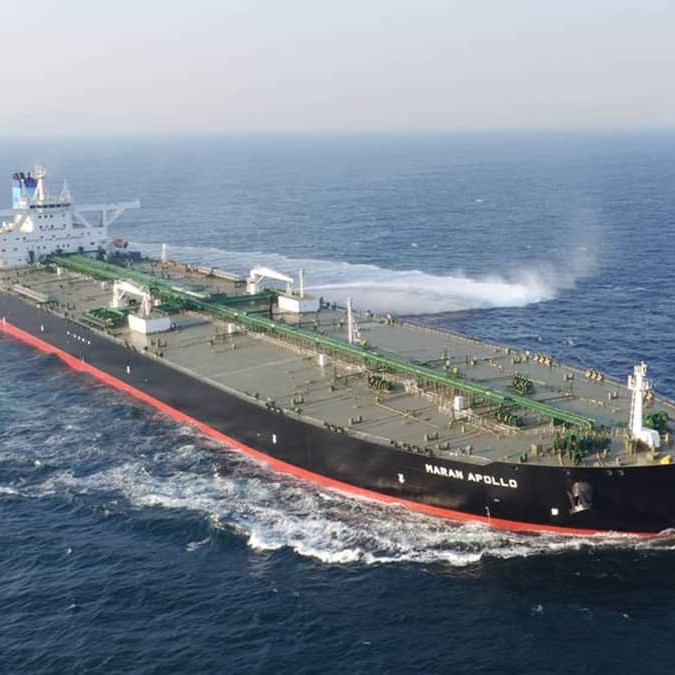
Saudi Arabia Implements Largest Oil Price Cut for Asia in Two Decades
Saudi Arabia, the world's leading crude oil exporter, has significantly reduced its selling prices for Asian markets for the upcoming month, marking the largest price decrease in two decades. This move comes as major Gulf oil producers intensify competition to sell into their largest market following the temporary reopening of the Strait of Hormuz.
Background: The Strait of Hormuz Situation
After months of heightened tensions, the Strait of Hormuz - the world's most critical maritime route for oil transportation - has been reopened under controlled conditions. However, the situation deteriorated on Tuesday evening when Iran attacked oil tankers, with the US retaliating with strikes against Iranian targets, and the US revoking sanctions waivers for Iranian oil sales.
These events demonstrate that all bets on a swift return to normal transit flows could be misplaced. Nevertheless, Gulf oil producers remain determined to attract Asian buyers and have offered substantial discounts to the Dubai/Oman benchmark.
Saudi Arabia's Historic Price Reduction
Saudi Arabia has aggressively cut its official selling prices (OSPs) for crude oil to Asia for August, reducing prices by $11 per barrel compared to July - the largest decrease in two decades. The kingdom's flagship crude, Arab Light, will be sold next month at $1.50 per barrel below the Oman/Dubai average - the benchmark used by Middle Eastern producers to price their exports to Asia.
Selling oil below the Middle Eastern benchmark is an extremely rare move from the world's top crude exporter. The only other two times Saudi Arabia sold oil in Asia at prices lower than Oman/Dubai were during two oil price wars when OPEC, later OPEC+, fought for market share and to fill the oil market in 2015, and again in early spring 2020 at the peak of the COVID-19 pandemic.
Table: Saudi Arabia's Crude Oil Price Cuts for Asia
| Period | Price Reduction (USD/barrel) | Significance |
|---|---|---|
| August 2024 | -$11 | Largest reduction in 20 years |
| 2015 | -$7 | Oil price war with OPEC+ |
| 2020 | -$8 | Peak of COVID-19 pandemic |
Intense Competition from Other Oil Producers
Despite Saudi Arabia's substantial price cuts, Asian refiners and analysts note that the kingdom faces stiffer competition from other Gulf producers who have offered even larger discounts and delivery from outside the Strait of Hormuz with much cheaper freight costs for buyers.
All these producers recognize they need to reduce prices to encourage China to buy oil, after four months of reduced Chinese crude oil imports. Having accumulated over 1.3 billion barrels of oil in storage before the war with Iran, China is waiting for price declines and more stable transit through Hormuz before deciding to increase purchases again.
Table: Comparison of Gulf Oil Producers' Price Cuts
| Producer | Oil Grade | Price Reduction (USD/barrel) | Delivery Location | Freight Cost |
|---|---|---|---|---|
| Saudi Arabia | Arab Light | -$1.50 | Ras Tanura (Inside strait) | High |
| UAE | Upper Zakum | -$7 | Sohar (Outside strait) | Low |
| UAE | Das | -$7 | Fujairah (Outside strait) | Low |
| Iraq | Basrah Light | -$6 | Basrah (Inside strait) | Medium |
Impact on the Asian Market
Middle Eastern oil producers are urgently trying to move oil out of storage and from tankers stranded in the Persian Gulf, and to resume upstream production they were forced to shut down. They have no choice but to try to attract buyers in Asia, particularly in China, with sufficiently attractive prices.
Saudi Arabia has been forced to reduce prices, but even the rare discount against the Middle Eastern benchmark may not be enough to attract Asian buyers, according to refiners and traders. Other producers, including Iraq, Kuwait, and the UAE, are offering deeper discounts and/or ship-to-ship (STS) transfers at Sohar and Fujairah outside the Strait of Hormuz, which not only minimize risk but also reduce tanker charter costs.
"I'm buying Upper Zakum and Das at -$7, so why would I buy more Saudi oil," a source at an Indian refinery told Reuters, referring to the UAE's main crude grades.
Expert Analysis
According to a trader, the UAE's offers to sell Upper Zakum for delivery at Sohar in Oman, outside the strait, include very crude carrier (VLCC) freight rates at $4-5 per barrel, while Saudi Arabia's offer to deliver oil at Ras Tanura in the Persian Gulf costs double that freight.
"Saudi oil from inside the strait is much more expensive," the trader said.
Future Outlook
More than four months after the conflict with Iran began and nearly three weeks after the Strait of Hormuz was reopened under controlled conditions, the new reality for Gulf oil producers is a battle for every barrel to leave the Persian Gulf through the Strait of Hormuz and to fight for every customer in Asia.
This competition is likely to continue in the short term, especially if the situation in the Strait of Hormuz remains unstable. Gulf oil producers may need to continue reducing prices to maintain their market share, particularly as China - the world's largest oil importing market - continues to wait for better opportunities to buy oil.
Conclusion
Saudi Arabia's substantial oil price reduction for the Asian market, the largest in two decades, highlights the level of tension in today's global oil industry. With the complex situation in the Strait of Hormuz and unstable demand from Asia, particularly China, Gulf oil producers will likely continue to compete fiercely for market share in the coming period.
This competition may benefit Asian oil importers in the short term, but in the long run, it could lead to oversupply and lower oil prices, affecting producers' profits and investment in the oil industry.
Closely monitoring developments in the Strait of Hormuz and OPEC+ production policies will be key to forecasting oil price trends in the near future.