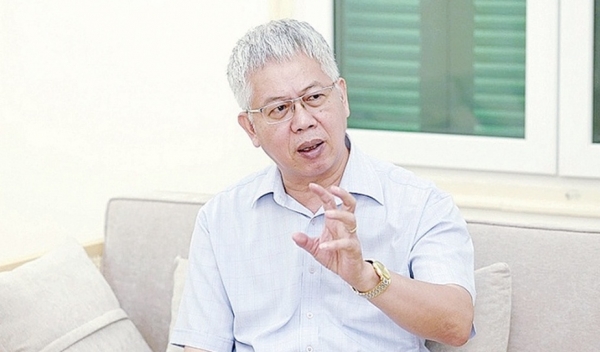
Dr. Nguyen Duc Kien: Paving the Way for Vietnam's Maritime Energy Development
In an era where traditional oil and gas resources are gradually depleting and global energy demand continues to surge, the imperative to perfect the Oil and Gas Law has become critically important. Dr. Nguyen Duc Kien, former Deputy Head of the National Assembly's Economic Committee, has shared significant insights on this matter in an exclusive interview with the New Energy Magazine. His vision not only addresses Vietnam's immediate energy challenges but also sets a strategic course for the nation's sustainable future in the maritime energy sector.
Global Energy Challenges and Vietnam's Position
The global energy landscape is undergoing a profound transformation. Traditional fossil fuel reserves are facing depletion, while simultaneously, energy consumption worldwide continues to rise at an unprecedented rate. This dual challenge presents a significant dilemma for nations striving to maintain energy security while transitioning toward more sustainable alternatives. Vietnam, with its extensive coastline and maritime resources, finds itself at a critical juncture where strategic decisions about energy development will shape its economic and environmental future for decades to come.
According to Dr. Kien, Vietnam's traditional oil and gas resources are in decline, creating substantial challenges for ensuring the nation's energy security. The country, which has experienced rapid industrialization and economic growth, faces the complex task of balancing its energy needs with environmental responsibilities and economic sustainability.
The Maritime Energy Opportunity
Amid these challenges, maritime energy emerges as a promising solution. Vietnam possesses over 3,260 kilometers of coastline, a vast exclusive economic zone, and significant potential for various forms of marine-based energy production. This natural endowment positions Vietnam favorably for developing a robust maritime energy sector that could reduce dependence on traditional fossil fuels while contributing to sustainable economic development.
"The development of maritime energy is not merely an option but a strategic necessity for Vietnam," Dr. Kien emphasized during the interview. "Our geographical advantages, combined with technological advancements in marine energy extraction, create unprecedented opportunities for the nation to achieve energy self-sufficiency while promoting environmental sustainability."
Long-Term Vision for the Oil and Gas Law
Dr. Kien strongly advocates that the revised Oil and Gas Law must incorporate a long-term vision, positioning itself as the institutional foundation for comprehensive maritime energy development. This perspective goes beyond traditional oil and gas extraction to encompass the full spectrum of marine energy resources, including offshore wind, tidal, wave, and ocean thermal energy conversion.
"The legal framework should be forward-thinking, flexible enough to adapt to technological advancements, yet comprehensive enough to provide clear guidelines for sustainable development," Dr. Kien explained. "Such legislation would not only enhance Vietnam's energy autonomy but also create momentum for sustainable development across multiple sectors of the economy."
Specific Proposals for Maritime Energy Development
Dr. Kien has outlined several concrete proposals to accelerate Vietnam's maritime energy development:
- Infrastructure Development: Significant investment in infrastructure is required to effectively exploit and utilize marine energy resources. This includes establishing specialized ports, energy transmission facilities, and maintenance centers capable of supporting offshore energy operations.
- Investment Incentives: Creating favorable policies to encourage investment in renewable marine energy is essential. This could include tax incentives, streamlined permitting processes, and public-private partnership models to attract both domestic and international investors.
- Human Resource Development: Designing specialized training programs to enhance the capabilities of the workforce in the maritime energy sector is critical. This should include technical skills, project management, and research capabilities to support the industry's growth.
- Research and Innovation: Establishing dedicated research centers focused on marine energy technologies to support innovation and adaptation to Vietnam's specific geographical and environmental conditions.
- International Cooperation: Strengthening partnerships with countries and organizations that have advanced experience in maritime energy development to facilitate technology transfer and knowledge sharing.
Benefits of Maritime Energy Development
The transition to maritime energy offers multifaceted benefits for Vietnam, as outlined in the following table:
| Benefit Category | Specific Advantages |
|---|---|
| Enhanced Energy Security | Reduces dependence on traditional fossil fuels and imported energy sources, diversifies the energy mix, and provides a more stable and predictable energy supply. |
| Sustainable Economic Development | Stimulates new economic activities, creates high-quality jobs, attracts investment, and develops new industries along the value chain of marine energy production. |
| Environmental Protection | Reduces greenhouse gas emissions, minimizes environmental impact compared to traditional oil and gas extraction, and helps Vietnam meet international climate commitments. |
| Technological Advancement | Drives innovation in marine technologies, enhances technical capabilities, and positions Vietnam as a regional leader in emerging energy sectors. |
| Regional Leadership | Establishes Vietnam as a pioneer in Southeast Asia's maritime energy development, creating diplomatic and economic advantages in regional cooperation frameworks. |
Implementation Challenges and Solutions
Despite the significant potential, developing Vietnam's maritime energy sector faces several challenges. Technical difficulties in operating in marine environments, high initial investment costs, regulatory uncertainties, and the need for specialized expertise present substantial hurdles.
Dr. Kien acknowledges these challenges but emphasizes that they can be overcome through strategic planning and coordinated efforts. "The transition to maritime energy requires a comprehensive approach that addresses technical, financial, regulatory, and human resource aspects simultaneously," he noted.
Key solutions include:
- Phased development starting with pilot projects to demonstrate viability and build experience
- Public-private partnerships to share risks and mobilize capital
- Streamlined regulatory frameworks that balance environmental protection with development needs
- International collaboration to access technology, expertise, and financing
- Education and training programs to develop a skilled workforce
International Models and Best Practices
Vietnam can draw valuable lessons from countries that have successfully developed their maritime energy sectors. Denmark, for example, has become a global leader in offshore wind energy through consistent policy support, research investment, and public-private partnerships. The United Kingdom has developed a comprehensive regulatory framework for offshore wind that balances environmental protection with development needs.
"Learning from international experiences while adapting them to Vietnam's specific context is crucial," Dr. Kien suggested. "We don't need to reinvent the wheel but can benefit from the lessons learned by other nations while developing solutions tailored to our unique geographical, economic, and social conditions."
Future Outlook for Vietnam's Maritime Energy Sector
With proper implementation of the proposed measures, Vietnam's maritime energy sector could see substantial growth in the coming decades. The country has the potential to become a regional leader in offshore wind energy, with estimates suggesting that Vietnam's wind energy potential could reach several gigawatts.
The development of maritime energy would also contribute to Vietnam's broader climate goals, helping the country transition toward a low-carbon economy while maintaining economic growth. As technology advances and costs decrease, additional forms of marine energy such as tidal and wave power could become increasingly viable.
Conclusion and Recommendations
Dr. Nguyen Duc Kien's insights underscore that developing maritime energy is not merely a trend but a significant opportunity for Vietnam. The expert calls on relevant authorities to promptly finalize the Oil and Gas Law, creating favorable conditions for the maritime energy sector's development, thereby contributing to the nation's sustainable development.
"The time for action is now," Dr. Kien concluded. "By strategically developing our maritime energy resources, Vietnam can enhance its energy security, promote sustainable economic growth, and position itself as a regional leader in the global transition to clean energy. The revision of the Oil and Gas Law represents a critical step in this journey, and we must approach it with vision, determination, and a commitment to long-term benefits."
The development of Vietnam's maritime energy sector will require coordinated efforts across multiple ministries, agencies, and the private sector. With proper planning, adequate investment, and supportive policies, Vietnam can harness its marine resources to power a sustainable and prosperous future.