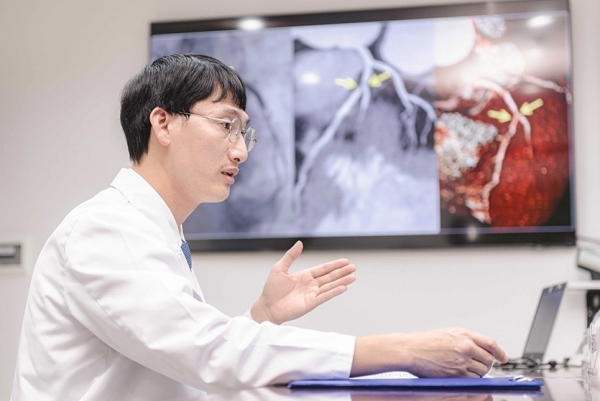
Groundbreaking Medical Intervention Saves Patient with Aortic Dissection on the Brink of Death
In a remarkable display of medical expertise and innovation, a team of physicians at Vinmec Times City successfully saved a 65-year-old patient experiencing a life-threatening aortic dissection just five months after heart valve surgery. This groundbreaking case demonstrates significant advancements in cardiovascular care in Vietnam and highlights the critical importance of timely intervention in medical emergencies.
The Patient and the Critical Case
The patient, referred to as Mr. T, is a 65-year-old man with a complex history of cardiovascular disease. Just five months prior to the emergency, he had undergone successful heart valve replacement surgery at Vinmec. However, he suddenly presented with severe chest pain, intense shortness of breath, and a rapid drop in blood pressure. Medical professionals diagnosed him with type A aortic dissection - one of the most critical cardiovascular emergencies requiring immediate intervention.
Upon arrival at the Vinmec Times City Cardiovascular Emergency Department, the patient was in critical condition, unconscious, and experiencing rapidly declining blood pressure. Type A aortic dissection carries an alarming mortality rate of 1-2% per hour if not promptly treated, making this a race against time.
Understanding Type A Aortic Dissection
Type A aortic dissection is a condition where the inner layer of the aortic wall tears, creating a false channel where blood can collect between the layers of the aortic wall. This serious medical emergency can lead to several dangerous complications:
- Coronary artery damage, potentially causing heart attack
- Brain damage due to insufficient blood supply
- Acute kidney injury
- Limb ischemia (insufficient blood flow to extremities)
- Rupture of the aorta, causing immediate death
The aorta is the largest artery in the body, directly receiving blood from the heart and distributing it to all organs. When the inner layer tears, blood flows into the aortic wall, creating a false aneurysm that can rupture at any moment.
| Type of Aortic Dissection | Location | Level of Danger | Mortality Rate Without Treatment |
|---|---|---|---|
| Type A | Ascending aorta | Extremely high | 1-2% per hour |
| Type B | Descending aorta | High | 3-5% per day |
| Complex Type A/B | Extremely high | Over 50% within 48 hours |
The Innovative Decision by the Vinmec Medical Team
Facing this critical situation, the medical team at Vinmec Times City, led by Professor Dr. Nguyen Lan Viet, quickly convened to make an urgent decision regarding surgical intervention. This case presented extraordinary challenges due to the patient's recent heart valve surgery just five months prior and multiple additional risk factors.
Dr. Tran Minh Tuan, Head of Cardiothoracic Surgery at Vinmec Times City, explained: "This was an extremely challenging case. The patient had recently undergone heart valve surgery, and the aortic dissection extended from the left subclavian artery down to the iliac arteries. This situation required complex surgical techniques and immediate intervention."
Challenges in the Case
- Patient's recent heart valve surgery (5 months prior)
- Dissection extending from the left subclavian artery to the iliac arteries
- Multiple risk factors: advanced age, hypertension, diabetes
- Rapidly progressive dissection threatening life
Specialized Surgical Technique
The Vinmec medical team decided to perform total replacement of the damaged aortic segment with a synthetic graft. This complex procedure required seamless coordination among multiple specialties and utilization of advanced technology:
- Replacement of the aorta from the left subclavian artery to the iliac arteries
- Preservation of the right carotid and right subclavian arteries
- Implementation of brain and organ protection techniques
- Use of advanced extracorporeal circulation systems
Supporting Technology
The surgery was performed with the assistance of cutting-edge technology:
- Real-time transesophageal echocardiography for cardiac function monitoring
- Advanced deep anesthesia techniques for brain and organ protection
- Extracorporeal circulation systems with comprehensive protection capabilities
- Drug-coated aortic grafts
The Successful Surgical Procedure
The entire surgical procedure lasted 8 hours under the direction of Professor Dr. Nguyen Lan Viet and Dr. Tran Minh Tuan. The medical team successfully completed the following steps:
- Intubation and deep anesthesia induction
- Establishment of extracorporeal circulation
- Implementation of brain protection and ventilation
- Replacement of the damaged aortic segment with a synthetic graft
- Preservation of important arterial branches
- Chest closure and bleeding control
Particularly innovative brain protection technology was applied during this procedure. The patient was mildly cooled and selective circulation techniques were used to ensure adequate oxygen supply to the brain throughout the surgery.
Outcomes and Recovery
After 8 hours of intense surgery, the procedure was successful. The patient was transferred to the intensive care unit for close monitoring. After 48 hours, the patient regained consciousness, and organ functions gradually recovered.
Mr. T, the 65-year-old patient, shared: "I truly thank the doctors at Vinmec. I thought I wouldn't make it, but the doctors performed a miracle. I feel stronger every day and hope to be discharged soon."
By day 7 post-surgery, the patient was able to walk lightly and eat normally. Laboratory tests and imaging diagnostics showed excellent aortic function with no signs of leakage or damage.
Lessons Learned
This surgical case provided valuable insights:
- Timely intervention is the decisive factor in cardiovascular emergencies
- Seamless coordination among specialties is key to success
- Advanced technology improves success rates for complex surgeries
- Organ protection techniques (especially for the brain) are essential
Expert Commentary
Professor Dr. Nguyen Van Tam, a leading Vietnamese cardiovascular specialist, highly praised this surgical case: "This is a very successful surgery that demonstrates the high professional level of the Vinmec medical team. Successfully managing such an extensive type A aortic dissection is a remarkable achievement."
He emphasized: "Cases like Mr. T's require coordination among multiple specialties and timely intervention. Vinmec has excelled in both aspects."
Significance of the Case for Vietnamese Medicine
The success of this surgery not only saved a patient's life but also affirmed the capabilities of Vietnamese medicine in handling complex cardiovascular cases. This is one of the longest successful aortic replacements performed in Vietnam.
Vinmec Times City has continued to establish itself as one of Vietnam's leading cardiovascular centers, capable of managing the most difficult cases. This success brings hope for many other patients with complex cardiovascular conditions.
Moving forward, Vinmec continues to invest in technology and human resources to improve the quality of medical care, bringing the best possible health and life to the community.
Statistics on Aortic Dissection in Vietnam
| Statistic | Data |
|---|---|
| Incidence of aortic dissection | 2-3 cases per 100,000 population per year |
| Mortality rate if untreated | Type A: 1-2% per hour Type B: 3-5% per day |
| Mortality rate after surgery | Type A: 15-30% Type B: 10-20% |
| Main risk factors |
Warning Signs Requiring Emergency Care for Suspected Aortic Dissection
- Sudden, severe chest pain
- Sudden, severe back pain
- Sudden shortness of breath
- Sudden numbness or weakness on one side of the body
- Numbness or weakness in arms or legs
- Sudden facial numbness
- Severe drop in blood pressure
- Rapid pulse, cold, clammy skin
Patients experiencing these symptoms should be taken to the nearest medical facility immediately for diagnosis and timely treatment. Time is the decisive factor in aortic dissection cases.
Conclusion
The surgical procedure that saved Mr. T at Vinmec Times City stands as a testament to the progress of Vietnamese medicine in handling complex cardiovascular cases. Through seamless coordination of the medical team, advanced technology, and timely intervention, Vinmec achieved a medical miracle, bringing life to a patient on the brink of death.
This success not only brings joy to the patient and his family but also represents a source of pride for Vietnamese medicine, confirming that cardiovascular healthcare capabilities have reached international standards.