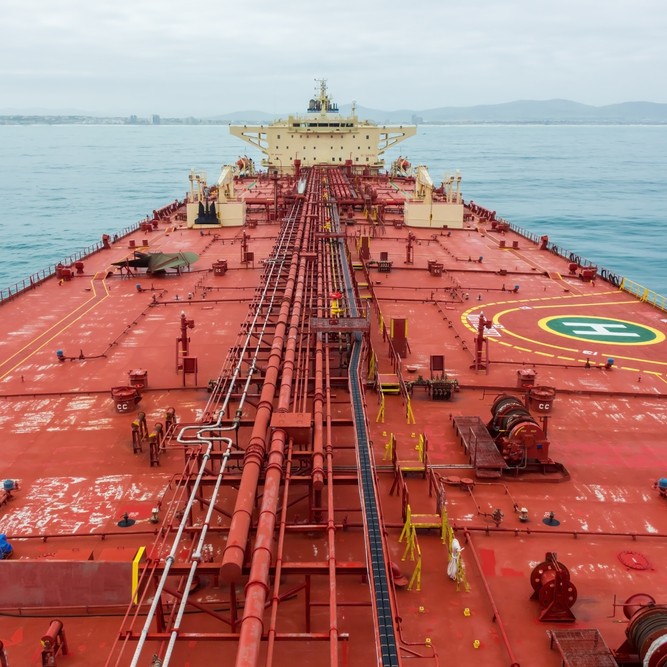
Saudi Arabia Reduces Crude Oil Supply to China Amid Difficult Edge
BEIJING- Some Chinese refiners did not specify long-term crude cargoes from Saudi Arabia for August, while others were not allocated any long-term supplies for next month. This comes as weak demand from China, competition from other producers, and continuing disruptions in the Strait of Hormuz have reduced supplies from Saudi Arabia in recent months.
At least two Chinese refiners have not requested any long-term shipments in August, and several others have not received provisional allocations, according to traders with direct knowledge of the supply deals reported by Bloomberg on Tuesday.
Context of Reduced Oil Supply
Since the conflict began, Saudi Arabia has allocated between 10 and 20 million barrels of oil to ship to China each month. This is four to two times lower than the monthly volume of about 40 million barrels of Saudi Arabian crude that Chinese refiners were allocated on average last year.
Availability in volumes and prices since the start of the war with Iran has led to a decline in China's long-term allocations to Saudi Arabian crude supplies.
Saudi Arabia's Pricing Strategy
In the early weeks of the war, Saudi Arabia's Aramco set record highs against standards for long-term supplies to Asia. Earlier this month, Saudi Arabia slashed the price of crude shipped to Asia next month by the biggest cut in two decades, as the world's top oil exporter and other major exporters in the Persian Gulf restarted competition to sell into their biggest market, Asia.
Arab Light, Saudi Arabia's iconic crude, will sell next month at $1.50 per barrel below the Oman/Dubai average, the benchmark Persian Gulf producers use to price their oil to Asia.
The reduction in oil prices compared to the standard is a very rare move from the world's leading crude oil exporter.
Competition From Other Manufacturers
However, the Kingdom faces stiffer competition from fellow Persian Gulf oil exporters, who are offering bigger discounts and shipping from beyond the Strait of Hormuz, with shipping costs much cheaper for buyers.
The escalation of tensions in the strait in recent days could also be disadvantageous for Saudi Arabia in transporting oil from Ras Tanura in the Gulf and through Hormuz.
Comparison Table of Saudi Arabian Oil Supply to China
| Time | Volume (million barrels/month) | Change Compared to Previous Year |
|---|---|---|
| ~40 | - | |
| Since the conflict began | 10-20 | 50-75% off |
Impact and Prospects
The shift in oil supply dynamics from Saudi Arabia to China reflects complex changes in global energy markets. The combination of weaker demand from China, increased competition from other producers, and concerns about maritime security in the Strait of Hormuz is reshaping traditional oil trade relationships.
Saudi Arabia's move to cut prices shows the flexibility of the world's largest oil producer in adapting to market conditions, but also shows the pressure it faces to maintain market share amid increasingly fierce competition.
The outlook in the coming months will depend on many factors, including the development of the Iran conflict, stability in the Strait of Hormuz, and the recovery of oil demand from China - the world's second largest economy.
#DauTho #ArabSaudi #China #ThiTruongNangLuong #EoBienHormuz #SanXuatDau