Building an Optimal Legal Framework: The Key to Vietnam's Sustainable Energy Future
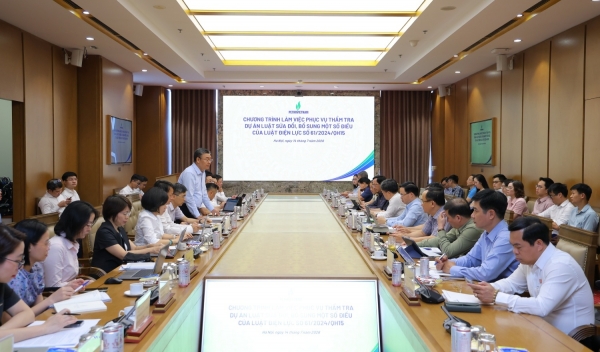
On the morning of July 14th in Hanoi, the National Assembly's Science, Technology and Environment Committee held a working session with Vietnam National Oil and Gas Group (Petrovietnam). This meeting aims to serve the inspection and appraisal of the project to amend and supplement several articles of the Electricity Law No. 61/2024/QH15, marking a significant step toward perfecting the legal framework for Vietnam's energy sector.
Background and Significance of the Meeting
In the context of Vietnam's efforts to transition its energy sector and move toward sustainable development goals, perfecting the legal system for the energy sector has become an urgent requirement. The meeting between the National Assembly's Science, Technology and Environment Committee and Petrovietnam represents an important advancement in the process of building a legal framework that aligns with global energy development trends and Vietnam's commitments at international forums.
As Vietnam positions itself as an emerging economy with ambitious climate targets, the need for a robust legal foundation to guide energy investments, infrastructure development, and technological adoption has never been more critical. This meeting comes at a pivotal moment as the country seeks to balance economic growth with environmental responsibility.
Key Discussion Points
During the working session, both sides focused their discussions on the main contents of the Electricity Law amendment project, including:
- Mechanisms for developing electricity from renewable energy sources
- Support policies and incentives for investment in clean energy
- National electricity development planning to 2030, vision to 2045
- Electricity pricing mechanisms and competitive electricity market
- Ensuring national energy security in the new context
These discussion points reflect Vietnam's comprehensive approach to energy governance, addressing both immediate operational concerns and long-term strategic objectives. The emphasis on renewable energy and market mechanisms demonstrates a clear shift toward more sustainable and market-oriented energy policies.
The Role of Petrovietnam in Vietnam's Energy Sector
Petrovietnam, as a key state-owned economic corporation, plays a pivotal role in ensuring national energy security and leading Vietnam's energy transition. The corporation is actively investing in renewable energy projects while maintaining traditional oil and gas exploration and production activities to ensure stable energy supply during the transition period.
As Vietnam's largest energy enterprise, Petrovietnam's contributions extend beyond mere production and supply. The corporation is increasingly positioning itself as an enabler of Vietnam's energy transformation, leveraging its technical expertise, infrastructure capabilities, and financial resources to accelerate the adoption of clean energy technologies while ensuring energy security during the transition.
Challenges and Opportunities from Electricity Law Amendments
The amendment of the Electricity Law presents both significant challenges and opportunities for Vietnam's energy sector:
| Challenges | Opportunities |
|---|---|
| Adapting existing legal systems to renewable energy trends | Attracting foreign investment in clean energy |
| Ensuring energy security during the transition | Catalyzing development of new energy technologies |
| Efficient resource allocation between different energy types | Reducing dependence on fossil fuels |
| Addressing planning and infrastructure development issues | Creating new jobs in the green energy sector |
Vietnam's Sustainable Energy Development Strategy
Vietnam has set targets to achieve 15-20% renewable energy in total energy demand by 2030 and increase to 25-30% by 2050. To achieve these goals, perfecting the legal framework is a prerequisite, providing the foundation for support policies, investment incentives, and sustainable development.
The country's strategy also includes diversifying energy sources, improving energy efficiency, and developing smart grid infrastructure. By establishing clear legal guidelines, Vietnam aims to create an environment conducive to both public and private investment in clean energy projects while ensuring the reliability and affordability of energy supplies.
Expert Opinions
According to energy experts, the amendment of the Electricity Law should focus on key elements:
- Building competitive, fair, and transparent electricity pricing mechanisms
- Perfecting the legal framework for a competitive electricity market
- Encouraging the development of large-scale renewable energy projects
- Promoting the application of new technologies in electricity production and transmission
- Enhancing international cooperation in the energy sector
Experts emphasize that the legal framework must strike a delicate balance between promoting renewable energy development and maintaining energy security. They also highlight the importance of creating clear, stable policies that can attract long-term investment while allowing for flexibility to adapt to rapidly changing technologies and market conditions.
Future Vision
Building a complete and feasible legal framework not only promotes the development of the energy sector but also contributes to implementing international commitments on climate change. With the strong direction of the Government and the active participation of leading enterprises like Petrovietnam, Vietnam is on track to become a regional model in sustainable energy development.
The country's energy transformation aligns with global trends toward decarbonization while addressing local development priorities. By creating an enabling legal environment, Vietnam aims to position itself as an attractive destination for clean energy investment while building domestic capacity for technology innovation and deployment.
Conclusion
The working session between the National Assembly's Science, Technology and Environment Committee and Petrovietnam is a clear testament to Vietnam's commitment to building a modern, efficient, and sustainable energy system. Perfecting the Electricity Law is not only an urgent requirement of the energy sector but also an important legal foundation for the country's socio-economic development in the new period.
As Vietnam continues to refine its energy legal framework, the country is demonstrating its ability to balance competing priorities while pursuing ambitious climate goals. The collaboration between government agencies and industry leaders like Petrovietnam represents a model for effective governance in the energy transition, one that other developing nations may look to as they navigate their own energy transformations.