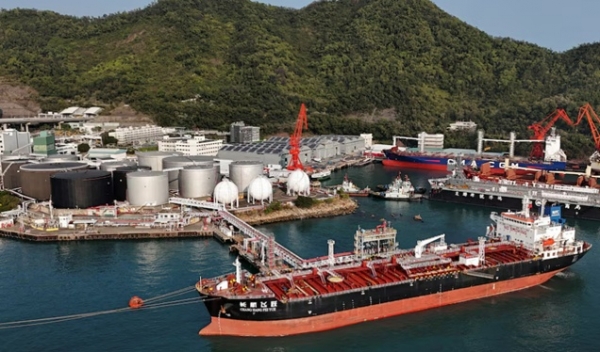
China's Crude Oil Imports Plummet to 10-Year Low Amid Economic and Geopolitical Pressures
In a development that has sent ripples through global energy markets, China's crude oil imports experienced a dramatic 41.3% decline in June 2023, marking the lowest level in nearly a decade. This significant reduction reflects a confluence of economic challenges, operational constraints, and strategic policy decisions by the world's largest oil importer, with potential implications for global oil prices and energy security.
The decline to approximately 9.68 million barrels per day (bpd) represents not just a monthly anomaly but part of a broader downward trend in China's oil consumption patterns. This shift comes amid growing concerns about economic recovery post-pandemic, reduced refinery operations, and deliberate policy measures to secure domestic energy supplies amid escalating geopolitical tensions in the Middle East.
Historical Context and Recent Import Trends
China's crude oil import figures have been on a downward trajectory throughout the first half of 2023, but June's dramatic drop represents a significant acceleration of this trend. The following table illustrates the monthly import volumes and corresponding year-over-year changes:
| Month | Import Volume (million bpd) | Year-over-Year Change (%) |
|---|---|---|
| January | 10.2 | -10.5 |
| February | 10.0 | -7.3 |
| March | 10.4 | -12.1 |
| April | 10.1 | -15.0 |
| May | 10.5 | -9.2 |
| June | 9.68 | -41.3 |
These figures reveal a concerning pattern of declining demand that has accelerated significantly in recent months, with June's decline representing the sharpest drop in the past decade. The cumulative impact of these reduced imports is substantial, potentially affecting global oil markets and the economies of major oil-exporting nations.
Key Drivers Behind the Import Decline
The reduction in China's crude oil imports can be attributed to several interconnected factors, each contributing to the overall decline in import volumes:
- Economic Slowdown and Reduced Demand: China's post-pandemic economic recovery has been slower than anticipated, leading to decreased industrial activity and transportation needs. Manufacturing output, a major consumer of oil products, has shown particularly weak performance, directly impacting demand for refined petroleum products.
- Refinery Operational Constraints: China's refineries have been operating at their lowest capacity utilization rates in nearly a decade. This reduction stems from both planned maintenance schedules and unexpected operational challenges. The decreased refinery throughput naturally translates to lower crude oil intake.
- Strategic Export Restrictions: In a move to bolster domestic energy security, Chinese authorities have implemented restrictions on the export of refined petroleum products. This policy shift aims to ensure adequate domestic supply amid growing geopolitical uncertainties, particularly concerning potential disruptions in the Strait of Hormuz and other critical shipping lanes.
- Geopolitical Considerations: Heightened tensions with Iran and other Middle Eastern nations have influenced China's strategic approach to energy imports. These geopolitical factors have prompted a more cautious approach to oil procurement, with increased emphasis on supply chain diversification and risk mitigation.
Market Implications and Global Impact
The dramatic reduction in China's crude oil imports has significant implications for global energy markets. As the world's largest oil importer, China's demand patterns heavily influence global oil prices and production strategies. The current downturn has already contributed to downward pressure on oil prices, with Brent crude falling by approximately 8% since the beginning of the second quarter.
Oil-exporting nations, particularly those heavily reliant on Chinese demand, are feeling the impact of this reduced intake. Countries such as Saudi Arabia, Russia, and Iran have had to adjust their production forecasts and marketing strategies in response to China's changing import patterns. The situation has also intensified competition among exporters seeking to maintain or expand their market share in China despite the overall decline in demand.
From a global perspective, China's reduced oil imports have created a surplus in the international oil market, potentially influencing OPEC+ decisions regarding production quotas and market management strategies. The organization may face increased pressure to adjust output levels to balance the market and stabilize prices.
Future Outlook and Potential Scenarios
The trajectory of China's oil imports remains uncertain, with several potential scenarios emerging based on economic recovery, policy decisions, and geopolitical developments:
- Economic Recovery Scenario: If China's economy accelerates recovery in the second half of 2023, particularly in manufacturing and transportation sectors, oil imports could rebound significantly. This would require substantial stimulus measures and successful implementation of economic reform initiatives.
- Persistent Weakness Scenario: Should economic challenges persist, including potential property market difficulties and continued export demand weakness, oil imports may remain depressed or continue declining. This scenario would likely lead to extended periods of lower oil prices and increased market volatility.
- Policy Shift Scenario: Changes in China's energy policies, particularly regarding export restrictions of refined products, could significantly impact import volumes. A relaxation of these restrictions might boost crude oil intake, while further tightening could extend the current downturn.
- Geopolitical Shift Scenario: Developments in Middle East tensions, particularly regarding Iran and the Strait of Hormuz, could prompt strategic shifts in China's import patterns. Heightened geopolitical risks might lead to increased stockpiling or alternative sourcing strategies.
Energy analysts and market watchers will be closely monitoring these developments, with particular attention to China's economic indicators, refinery utilization rates, and policy announcements. The interplay of these factors will ultimately determine whether June's import figures represent a temporary dip or the beginning of a sustained structural shift in China's oil consumption patterns.
Conclusion
China's crude oil imports have reached a critical juncture, with June's 41.3% decline marking the lowest level in a decade. This development reflects a complex interplay of economic challenges, operational constraints, and strategic policy decisions aimed at enhancing energy security amid geopolitical uncertainties.
The implications of this downturn extend far beyond China's borders, affecting global oil prices, production strategies, and the economic fortunes of oil-exporting nations worldwide. As the world's largest oil importer continues to navigate economic recovery challenges and geopolitical tensions, its evolving approach to energy imports will remain a key determinant of global market dynamics.
For industry stakeholders, policymakers, and market analysts, understanding the multifaceted factors driving China's oil import patterns is essential for anticipating future market developments and formulating effective strategies in an increasingly complex global energy landscape.