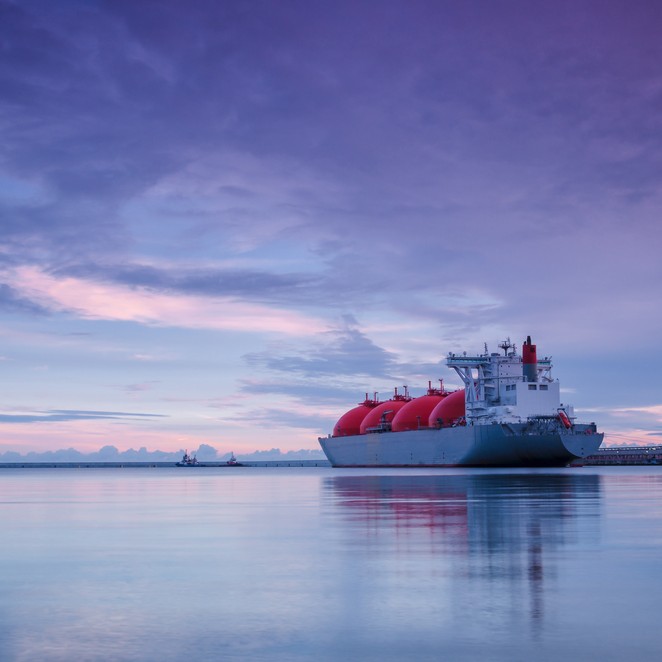
Asian LNG Prices Surge to Highest Level Since Amid Middle East Tensions
Spot prices for Liquefied Natural Gas (LNG) in Asia have experienced a significant 10% increase in the past week, reaching levels not seen since March. This surge comes as geopolitical tensions escalate in the Middle East, with shipping through the Strait of Hormuz nearly grinding to a halt, reigniting concerns about supply for the world's largest LNG importing region.
LNG Prices Reach Multi-Month High
On Thursday, spot LNG prices in Asia reached $20.2 per million British thermal units (MMBtu), according to traders cited by Bloomberg. This represents a 10% increase from the previous week, as hostile activities resurface in the Middle East and the ceasefire between the United States and Iran faces potential collapse.
The price spike reflects growing market anxiety over the security of global energy supply chains, particularly as the critical shipping lane connecting the Persian Gulf to the open ocean becomes increasingly precarious.
Middle East Tensions Impact Supply Routes
The near-closure of the Strait of Hormuz has significantly hampered the recovery of LNG shipments from Qatar. The world's second-largest LNG exporter had seen its cargo volumes recover by late June, only to have this progress abruptly halted by the latest wave of tensions in the region. The strait serves as a crucial maritime route for approximately 30% of global LNG trade, making any disruption particularly impactful on global markets.
Qatar's LNG facilities, primarily located in the Ras Laffan Industrial City, rely heavily on the Strait of Hormuz for international shipments. The recent developments have created significant logistical challenges for the country's LNG export operations.
European Market Follows Upward Trend
Natural gas prices in Europe have also risen sharply this week, following renewed disruptions to LNG shipments exiting the Middle East through the Strait of Hormuz. This new disruption in Qatar's LNG exports could tighten the global market just as Europe struggles to replenish gas storage ahead of the upcoming winter season.
The European energy market remains particularly vulnerable to price fluctuations during the refill season, which could become significantly more challenging and expensive to complete before the next winter, especially as Asia currently attracts the majority of spot LNG cargoes due to soaring Asian prices.
Intensifying Competition Between Europe and Asia
"There is increasing competition between Europe and Asia for spot LNG cargoes. Recent heatwaves in some regions of Europe and Asia have only heightened these concerns," wrote ING commodity strategists Warren Patterson and Ewa Manthey in a Thursday morning note.
The price divergence between Asian and European markets has created a complex trading environment where suppliers must decide between more lucrative Asian markets and ensuring European supply security. This dynamic has led to increased volatility and price uncertainty across global LNG markets.
European Gas Storage Levels Remain Concerning
"EU gas storage is at just 53% of capacity compared to the 5-year average of 68%, and still falls short of the EU's minimum target of 75% before entering the heating season," the ING strategists added.
The current storage levels raise significant concerns about Europe's energy security as it approaches the winter months. The combination of reduced Russian gas flows following the Ukraine conflict and now constrained LNG supplies from the Middle East has created a challenging supply-demand balance for the continent.
| Market | LNG Price (USD/MMBtu) | Weekly Change | Storage Level |
|---|---|---|---|
| Asia | 20.2 | +10% | Not applicable |
| Europe | Sharp increase | Significant rise | 53% (5-year average: 68%) |
Global Market Outlook
The surge in Asian LNG prices presents a new challenge for European nations attempting to rebuild their gas reserves after last year's energy crisis. With Asia willing to pay premium prices for spot LNG cargoes, Europe may face higher costs in its efforts to secure adequate supplies for the upcoming winter.
Energy market analysts suggest that geopolitical tensions in the Middle East, particularly regarding the Strait of Hormuz - a vital maritime artery for LNG shipments from Qatar - will continue to be a primary factor shaping global energy prices in the coming months.
The current market dynamics highlight the interconnected nature of global energy markets and how regional conflicts can have far-reaching impacts on energy security and pricing worldwide. As the northern hemisphere approaches winter, the stability of global LNG supplies remains a critical concern for policymakers and market participants alike.