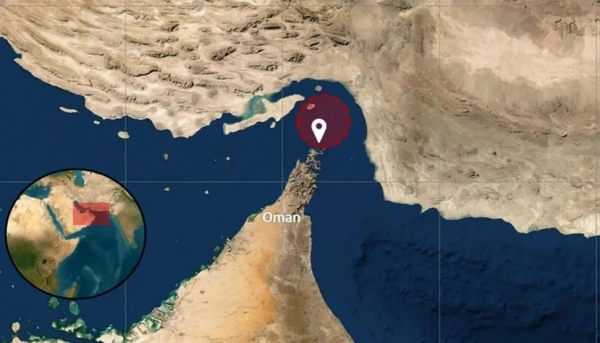
Escalating Tensions in the Strait of Hormuz: July 18th Crisis and Global Security Implications
Global Times Energy - Tensions in the Strait of Hormuz continued to escalate dramatically on July 18th, as military activities and maritime security threats in the region reached their highest level in months, causing significant concerns for the global oil market.
Background on the Geopolitical Tensions
The Strait of Hormuz, one of the world's most strategic maritime chokepoints, has become the epicenter of geopolitical tensions in recent months. This vital waterway serves as the sole passage for oil exports from Gulf nations including Iran, Iraq, Kuwait, Saudi Arabia, and the United Arab Emirates (UAE) to the open ocean.
The escalating tensions primarily stem from U.S. sanctions imposed on Iran after Washington withdrew from the 2015 nuclear agreement. Iran has repeatedly threatened to close the Strait of Hormuz unless guaranteed unrestricted oil export rights.
Developments on July 18th
July 18th witnessed a series of events that heightened tensions in the region:
- The Iranian Navy conducted large-scale military exercises in the Strait of Hormuz
- The United States deployed additional naval vessels and bomber aircraft to the region
- Several commercial vessels reported being closely monitored by Iranian warships
- The International Maritime Organization (IMO) issued security warnings regarding heightened risks in the area
Impact on the Global Oil Market
Tensions in the Strait of Hormuz have a direct impact on global oil prices. The region accounts for approximately 20-30% of globally seaborne oil transportation. Any disruption in this critical waterway could cause significant supply shocks.
| Time Period | Brent Oil Price (USD/barrel) | Fluctuation (%) | Reason for Fluctuation |
|---|---|---|---|
| Before July 18th | 75.20 | - | Relatively stable |
| Morning of July 18th | 76.85 | +2.2% | News of Iranian military exercises |
| Afternoon of July 18th | 78.40 | +2.0% | News of additional U.S. military deployment |
According to energy market analysts, oil prices could continue to rise if tensions escalate and lead to actual disruptions in oil transportation. Some forecasts suggest oil prices could exceed the $80/barrel threshold if military conflict erupts.
International Reactions
Nations and international organizations have responded differently to the escalating situation:
- United Nations: Called on all parties to exercise restraint and avoid actions that could lead to military conflict
- United States: Imposed additional sanctions on Iran's oil sector while increasing military presence in the region
- Iran: Affirmed its right to self-defense against U.S. "provocations," while stating it would not close the Strait of Hormuz unless attacked first
- China: Called for peaceful resolution and expressed concerns about global energy security
- UAE and Saudi Arabia: Increased oil production to compensate for potential disruptions
Comparison with Previous Crises
| Time Period | Tension Level | Impact on Oil Prices | Outcome |
|---|---|---|---|
| 2018 | High | Oil prices increased by 30% | U.S. withdrew from Iran nuclear deal |
| 2019 | Moderate | Oil prices increased by 15% | Attack on Saudi oil facilities |
| 2022 | Moderate | Oil prices increased by 20% | Russia-Ukraine conflict impact |
| July 18, 2023 | Very High | Oil prices increased by 4.2% | Ongoing escalation |
Broader Economic Implications
Beyond oil prices, tensions in the Strait of Hormuz have far-reaching economic consequences:
- Increased insurance costs for shipping vessels, affecting transportation costs
- Many commercial shipping routes being diverted, increasing transit times
- Oil companies increasing reserves to potential disruptions
- Possible inflation increases in oil-importing countries
- Global stock market volatility responding to situation developments
Future Scenarios and Forecasts
According to experts, the situation in the Strait of Hormuz could develop along several scenarios:
- Scenario 1: Tensions continue to escalate, leading to limited military conflict. Oil prices could rise to $85-90/barrel
- Scenario 2: Parties find diplomatic solutions to de-escalate tensions. Oil prices could stabilize around $75-80/barrel
- Scenario 3: Full-scale conflict causing severe oil transportation disruptions. Oil prices could exceed $100/barrel
For Vietnam, a country importing most of its crude oil, this situation could place significant pressure on the economy, particularly as the domestic currency weakens and inflation trends upward.
Conclusion
The situation in the Strait of Hormuz on July 18th continues to be a concerning hotspot in the Middle East, with the risk of escalating into actual military conflict. These tensions not only affect regional security but also have profound impacts on the global economy, particularly the energy market.
Nations must seek diplomatic solutions to reduce tensions, ensure maritime security, and stabilize the oil market. For Vietnam, diversifying energy sources and developing alternative energy solutions has become more critical than ever.