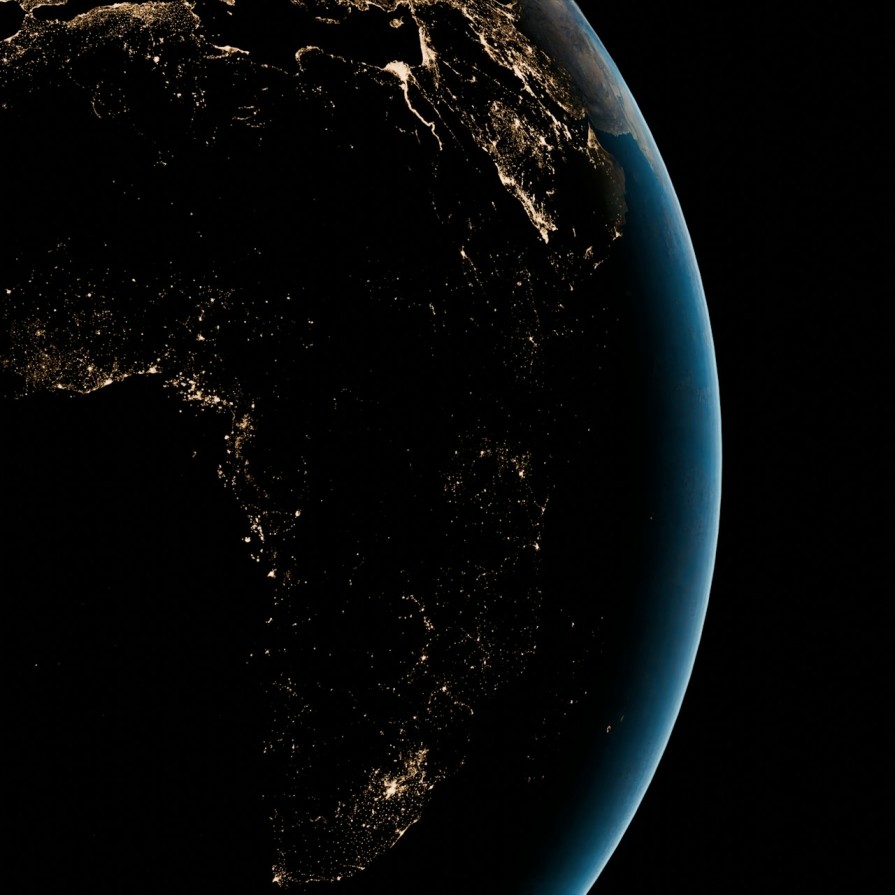
The Strait of Hormuz Crisis: Africa's Energy Transformation Opportunity
The prolonged restrictions on fuel trade following the closure of the Strait of Hormuz have led to severe energy shortages in many regions worldwide, exposing significant vulnerabilities in the energy security of numerous nations. As countries seek to develop regional alternative supply chains or transition to alternative energy sources like renewables, it has become evident that geopolitical challenges are reshaping global energy trade.
The conflict led by the United States and Israel against Iran has resulted in the closure of the Strait of Hormuz - a crucial trade route connecting the Persian Gulf with the Gulf of Oman and the Arabian Sea, through which approximately 20% of the world's oil is transported when fully operational. Several months of closure have caused significant limitations in energy trade, as many countries worldwide face severe fuel shortages.
Africa: The Most Vulnerable Region
Certain regions have proven significantly more vulnerable than others to the ongoing geopolitical situation and energy trade restrictions. In Africa, many nations have faced a multitude of challenges, from the impacts of climate change to poverty and conflict. In recent years, Iran has sought to expand political and security relations in various African regions, deepening energy ties across the continent.
The closure of the Strait of Hormuz has highlighted the dependence of many African countries on Iran and Asian nations like China. Energy trade restrictions could lead to alternative powers such as Russia and Turkey strengthening relations with African governments. Both Moscow and Ankara have expanded their influence in several countries through defense and military agreements, as well as diplomatic engagement.
| Africa's Key Energy Vulnerabilities | Impact from the Hormuz Crisis |
|---|---|
| Lack of oil refining capacity | Dependence on refined oil imports |
| Reliance on foreign energy sources | Severe fuel and fertilizer shortages |
| High electricity costs | Increased cost of living |
The Need for Enhanced Domestic Energy Capacity
The severe fuel and fertilizer shortages across Africa underscore the need to strengthen domestic energy capabilities and consolidate regional supply chains. Aaliyah Vayez, an international relations expert from South Africa, emphasized: "The Hormuz crisis demonstrates how closely Africa's economic future is connected to global systems. It reinforces the need for countries to enhance domestic capacity, diversify partnerships, and reduce dependence in energy, trade, and supply chain sectors."
Most crude oil produced in Africa is exported due to insufficient refining capacity, only to be re-imported as refined petroleum products. Therefore, developing greater refining capacity in countries like Nigeria and Angola could reduce dependence on foreign powers, add value to the industry, and enhance regional energy security.
Africa's Renewable Energy Potential
Besides adding value to existing oil operations, Africa also has significant potential to expand renewable energy to enhance energy security. Support for renewable energy has increased across the continent following the demand shift during the COVID-19 pandemic, driven by greater interest from foreign investors in green energy and a stronger focus on self-sufficiency.
Many European nations are increasingly turning to Africa to support the global green transition. The African continent possesses abundant natural resources crucial for renewable energy and clean technology operations. Many African countries are also well-suited for developing green energy operations such as wind farms and solar power. Therefore, strengthening trade connections between Europe and Africa is seen as key to supporting the transition process.
| Primary Energy Sources in Africa (2024) | Percentage Contribution to Electricity Generation |
|---|---|
| Natural gas | 43% |
| Oil | 8% |
| Renewable energy | 25% |
Significant Untapped Potential
According to the International Energy Agency, Africa possesses 60% of the world's best solar resources. The continent also has considerable potential for developing wind, hydroelectric, and geothermal energy. Furthermore, developing mineral mining operations could bring investment to the region and support the green transition. A 2025 study indicates that harnessing just 25% of Africa's renewable energy potential could significantly reduce energy poverty, contributing to a sustainable, low-carbon future.
Clean energy, including wind, solar, and hydroelectric power, accounts for at least 25% of the continent's energy production, and a substantial renewable energy pipeline project is currently being implemented. Developing Africa's renewable energy sector while expanding refining operations could enhance self-sufficiency and support regional supply chain development.
Developing Europe-Africa Relations
Simultaneously, strengthening relations between Europe and Africa could help diversify trade routes and reduce dependence on the Middle East and Asia for certain energy products, as well as metals and minerals. This could benefit both sides, as private sector investment, EU funding, and resources from other high-income countries could support the faster deployment of Africa's renewable energy and add value to existing oil operations. Meanwhile, European countries could develop trade corridors to diversify energy sources and access large quantities of clean electricity.
The Hormuz crisis event not only reveals weaknesses in the global energy system but also presents an opportunity for Africa to reshape its energy future through domestic development and international cooperation. With enormous renewable energy potential and its position as a key resource supplier for the green transition, Africa could become the center of a new, more sustainable energy order.