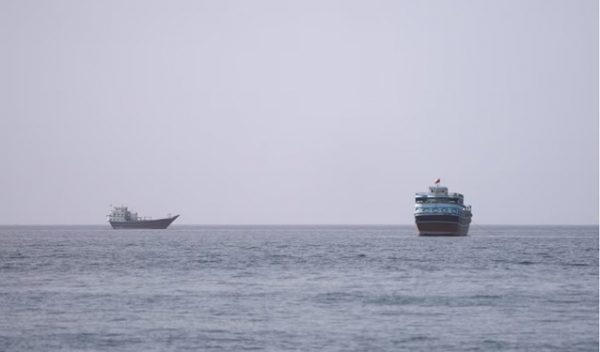
Persian Gulf Oil Exports Reach Record Levels Amid Regional Tensions
Nations across the Persian Gulf have reported a significant increase in crude oil and condensate exports during the first half of July, reaching levels not seen since before the outbreak of Middle East conflicts. However, the transportation of oil through the Strait of Hormuz is facing challenges as tensions between the United States and Iran escalate, creating instability in the global energy market.
Regional Oil Market Context
The Persian Gulf has long been considered the "lifeblood" of the global energy market, with approximately 30% of seaborne oil passing through the narrow Strait of Hormuz. This region produces and exports massive quantities of crude oil and condensate, directly impacting global oil prices and energy security.
After a period of disruption due to conflicts, Persian Gulf nations are gradually recovering and increasing production to meet the rising global energy demand following the COVID-19 pandemic.
Impressive Export Data
According to data from shipping companies and energy agencies, total crude oil and condensate exports from Persian Gulf countries in the first half of July reached approximately 17.2 million barrels per day, a 12% increase compared to the same period last year and the highest level since March 2022.
Saudi Arabia, the UAE, and Kuwait lead the increase in exports, with each country recording double-digit growth rates.
| Country | July 2023 Exports (million barrels/day) | Change from July 2022 |
|---|---|---|
| Saudi Arabia | 7.2 | +15% |
| UAE | 3.1 | +12% |
| Kuwait | 2.5 | +10% |
| Iraq | 3.8 | +8% |
| Qatar | 0.6 | +5% |
US-Iran Tensions and Impact on the Strait of Hormuz
Despite the significant increase in oil exports, oil transportation through the Strait of Hormuz is showing signs of slowing due to escalating tensions between the US and Iran. This strait is a vital chokepoint, where 20-30% of the world's oil is transported.
Recently, the US has deployed additional naval vessels and aircraft to the Gulf region, while Iran has also increased military activities, including naval exercises near the Strait of Hormuz. These actions have heightened concerns about potential disruptions to oil transportation.
Oil shipping companies are facing higher insurance costs and routing challenges, leading to delays in transporting oil through the region.
In-depth Market Analysis
Energy market analysts suggest that the growth in Persian Gulf oil exports reflects the recovery of the oil industry after disruptions caused by conflicts. However, the political tensions in the region remain a significant factor that cannot be ignored.
Mr. Nguyen Van An, an energy market analyst at the National Oil Research Institute, commented: "The growth in oil exports from Persian Gulf countries is a positive signal for the global energy market. However, the situation in the Strait of Hormuz still poses significant risks that could disrupt supplies at any time."
According to market reports, oil prices have fluctuated significantly in recent weeks, directly responding to political developments in the Middle East. Brent crude prices have increased by approximately 8% in July due to concerns about supplies from the Persian Gulf.
Future Outlook
Based on current trends, many international energy organizations forecast that oil exports from the Persian Gulf will continue to increase in Q3 2023, meeting peak summer demand. However, political tensions could make these forecasts uncertain.
Major energy companies like Saudi Aramco and the UAE's ADNOC have increased production to capitalize on market opportunities while investing in infrastructure to ensure secure oil transportation through the Strait of Hormuz.
However, experts warn that if US-Iran tensions continue to escalate and lead to direct conflict, the oil market could face significant shocks due to potential disruptions in Persian Gulf supplies.
Conclusion
Oil exports from Persian Gulf nations are surging in the first half of July, reaching their highest levels since before the outbreak of Middle East conflicts. This reflects the recovery of the regional oil industry and meets global energy demand.
However, the escalating tensions between the US and Iran are creating significant challenges for oil transportation through the Strait of Hormuz - a vital artery of the global energy market. The oil market is in a sensitive state, with any political developments potentially causing significant price fluctuations.
In this context, oil-importing nations, particularly Asian countries heavily dependent on Persian Gulf supplies, need to diversify their sources and build contingency strategies to address potential risks.