Global Oil Market Faces Crisis as Middle East Tensions Escalate
The global oil market stands more vulnerable than ever as security buffers that helped mitigate the initial shock from the Iran conflict are depleting, unable to prevent the next wave of oil price increases. With critical supply routes once again compromised and strategic reserves at multi-decade lows, the international energy landscape faces unprecedented challenges.
Current Situation in the Strait of Hormuz
For many weeks, market participants had grown overly confident that the memorandum of understanding between the US and Iran would reopen the Strait of Hormuz and oil flows would stabilize by the end of the third quarter. However, reality has exposed the truth to the oil market in recent weeks, as tensions escalated to nearly completely close the Strait of Hormuz once again, and oil tanker evacuation flows from the Persian Gulf suddenly came to a halt.
Oil prices reached $90 per barrel early Monday as supply concerns resurfaced with the critical strait being closed again and oil tanker traffic dropping to multi-month lows, equivalent to levels before the memorandum agreement - which now appears to have died prematurely. The sudden closure of this vital waterway has sent shockwaves through global energy markets, threatening to derail economic recovery efforts worldwide.
Impact on Oil Prices and Buffers Already Used
Oil prices had once reached $100 per barrel, even higher in late Q1 and early Q2 of this year. However, releases from global strategic reserves and reduced demand in Asia as coal usage increased, fuel-saving measures were implemented, and China cut crude oil imports to a decade-low helped mitigate the oil price impact from the Hormuz Strait closure during the initial phase of tensions.
The renewed closure of this critical oil bottleneck comes as the world has exhausted the buffers it relied on in Q2. Strategic and commercial reserves have been depleted in many major oil-consuming economies, including the United States, setting the stage for the next round of oil price increases during the busiest demand season. The market's ability to absorb further shocks has been severely compromised by these developments.
| Time Period | Oil Price (USD/barrel) | Key Characteristics |
|---|---|---|
| Early Q1 2023 | Above 100 | Escalating tensions in Middle East |
| Mid Q2 2023 | Significant decrease | Strategic reserve releases implemented |
| Early Q3 2023 | 90 | Hormuz Strait closure renewed |
Status of Global Strategic and Commercial Reserves
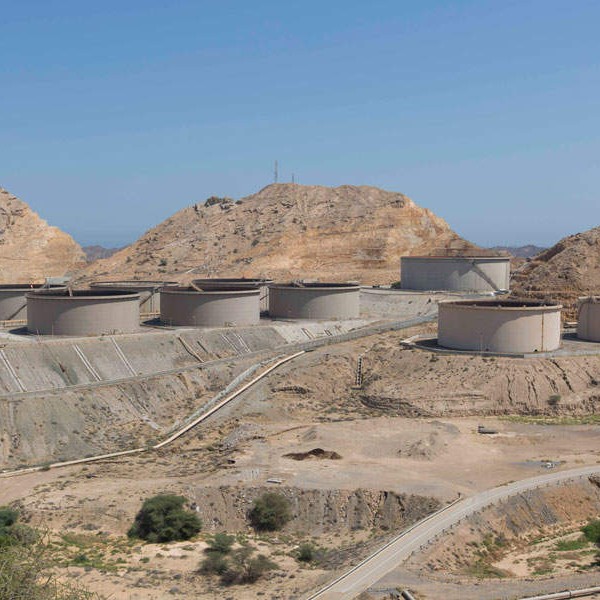
The US Strategic Petroleum Reserve (SPR), for example, has been depleted to its lowest level since 1983, after releasing 172 million barrels in Q2. As of July 10, the SPR held 316.5 million barrels in underground salt caverns in Texas and Louisiana, the lowest end-of-week inventory level in the reserve since mid-1983, according to the latest data from the Energy Information Administration (EIA). This represents a critical reduction in the world's largest emergency oil reserve.
Not only has the US emergency reserve been depleted to multi-decade lows - inventories have declined globally as governments and refiners have used stockpiles to offset much of the massive supply loss from the Middle East. Commercial inventories across major consuming nations have also fallen significantly, reducing the market's ability to respond to sudden supply disruptions.
Even China, which had reportedly accumulated 1.3 billion barrels of crude oil in reserves before the Iran conflict, has begun using these reserves as it cuts imports to the lowest since 2018 due to high prices and restricted flows from the Middle East. This shift from inventory building to inventory drawdown represents a significant change in market dynamics.
| Country/Region | Reserve Status | Response |
|---|---|---|
| United States | SPR at lowest since 1983 | Released 172 million barrels in Q2 |
| China | Transitioning from accumulation to drawdown | Cut imports to 10-year low, using strategic reserves |
| Global | Commercial reserves significantly depleted | Used to offset approximately 4 million bpd shortfall |
Analysis from IMF and Experts
"The initial shock from the conflict was largely absorbed by lower oil demand in Asia, higher production in the Americas, and inventories," economists at the International Monetary Fund (IMF) said in a note last week. This assessment highlights how the market initially found ways to navigate through the early stages of the crisis through multiple adjustment mechanisms.
However, "As tensions flare up again in the Strait of Hormuz, that space is now smaller and narrowing further as buffer capacity has been deployed, demand has been suppressed, and inventories have been drawn down," the IMF warned. The organization emphasized that the market's resilience has been significantly eroded since the initial phase of the conflict.
The commodity specialists at the fund have pointed out that the buffers that helped prevent larger price increases in Q2 are now depleted. "Unless reserves are replenished, the world will start from a weaker position when the next shock hits," they said, noting that the current market conditions leave little room for error in managing supply disruptions.
Market Outlook for the Future
The market is now more vulnerable to the next shock as "the issue for the oil market is that the SPR release, which provided some relief during the conflict, is expected to end around the end of this month," commodity strategists at ING Warren Patterson and Ewa Manthey wrote in a note early Monday. This impending end to strategic reserve releases removes a critical support mechanism from the market.
Oil prices could rise further if the new conflict prolongs for several months, as the world has exhausted many of the buffers that helped control oil price increases between March and May. The upcoming winter season, traditionally a period of higher energy demand, could exacerbate these price pressures, particularly if supply disruptions continue.
Energy analysts are increasingly concerned about the potential for a perfect storm of factors converging: depleted reserves, constrained supply routes, seasonal demand increases, and geopolitical uncertainty. This combination could lead to price volatility not seen since the 1970s oil crises.
Conclusion
The escalating tensions in the Middle East, particularly the near-complete closure of the Strait of Hormuz, are placing the global oil market in a precarious position. The security buffers that helped mitigate the initial shock have depleted, and with the peak oil demand season approaching, the market faces the risk of skyrocketing oil prices if no solutions are implemented to stabilize the situation.
The heavy dependence on supply from the Middle East region, combined with globally depleted reserves, is creating a "perfect storm" that could push oil prices to unseen levels, impacting the global economy and consumers worldwide. Central banks and policymakers face difficult decisions as they balance inflation concerns with economic growth objectives in this increasingly volatile energy environment.
#OilMarket #MiddleEastTensions #StraitOfHormuz #OilPrices #StrategicReserves #IMF #OPEC #GlobalEnergy #EnergyEconomy #EnergySecurity