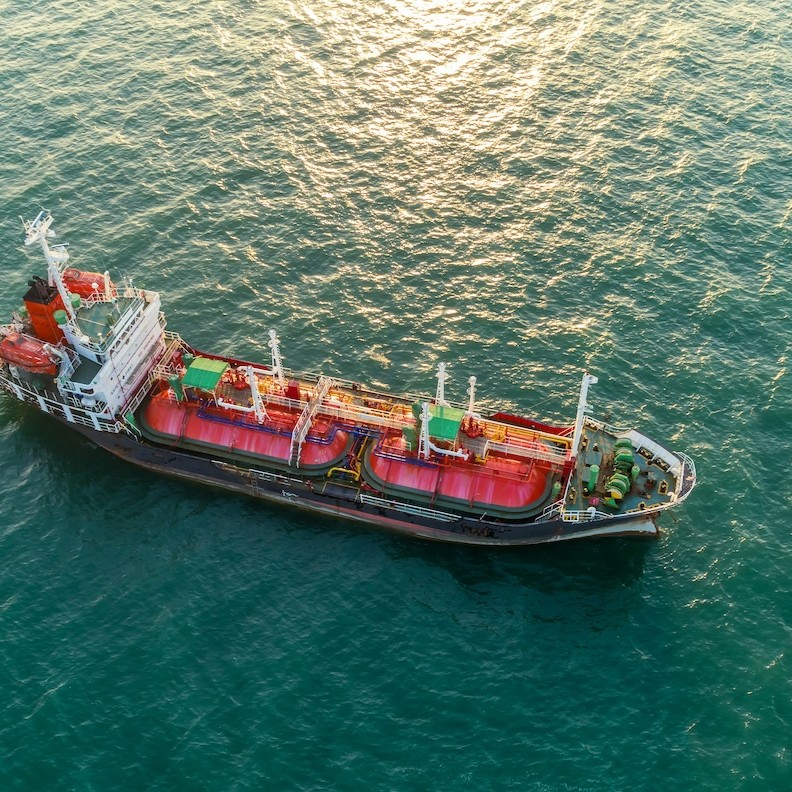
India Emerges as World's Leading Long-Term LNG Market in 2025
According to the 2026 annual report of the International Group of Liquefied Natural Gas Importers (GIIGNL), India has emerged as the world's most dynamic market for long-term LNG purchases in 2025, with a total of 8.4 million tons per annum (MTPA) of contracts being signed. This significant development underscores India's growing importance in the global energy landscape as the nation continues to expand its natural gas infrastructure and diversify its energy mix.
India's Strategic Position in the Global LNG Market
Last year, India commissioned its eighth LNG import terminal as the country plans to nearly double the share of natural gas in its energy mix to approximately 15% over the next decade. This ambitious expansion reflects India's commitment to cleaner energy sources while meeting the growing demands of its rapidly developing economy and population.
The surge in India's LNG import capabilities comes at a time when global energy markets are undergoing significant transformation. With increasing environmental concerns and the global push toward decarbonization, natural gas has emerged as a critical transition fuel that can help bridge the gap between traditional fossil fuels and renewable energy sources.
Details of India's LNG Contracts
India was the most active final buyer in 2025, with a total of 8.4 MTPA of contracts announced through six entities, demonstrating the coordinated efforts of both public and private sector companies to secure long-term energy supplies. The table below outlines the major players in India's LNG acquisition strategy:
| Company | LNG Volume (MTPA) |
|---|---|
| IndianOil | 4.7 |
| GAIL | 1.0 |
| GSPC | 1.0 |
| Torrent Power | 0.69 |
| BPCL | 0.5 |
| HPCL | Undisclosed |
"The volume of long-term supply contracts signed reflects 'the coordinated expansion of long-term import capacity, driven by growing domestic gas demand,' GIIGNL stated in its report. This coordinated approach has allowed India to diversify its supply sources while ensuring energy security for its growing industrial and residential sectors.
Global LNG Market Overview for 2025
For the global LNG industry, 2025 was a year of 'exceptionally active long-term contract signing,' with 83 long-term sales and purchase agreements (SPAs) signed, nearly double the 47 contracts signed in 2024, according to the report. This surge in contract activity indicates a strengthening global LNG market with increasing demand from multiple regions.
The following table provides a comprehensive overview of the global LNG market activity in 2025 compared to the previous year:
| Contract Type | 2025 Volume | 2024 Volume | Change |
|---|---|---|---|
| Long-term contracts (SPA) | 83 | 47 | +76.6% |
| Short-term contracts (SPA) | 13 | 7 | +85.7% |
| Heads of Agreement (HOA) | 12 | 21 | -42.9% |
The volume of new long-term contracts announced reached 71.6 MTPA through 76 agreements, approximately 30% higher than the previous year. This growth demonstrates the increasing confidence in LNG as a reliable energy source and the expanding global infrastructure for LNG production, transportation, and regasification.
Factors Driving Market Growth
"The sharp increase in global long-term LNG contract signing 'reflects the convergence of two fundamental forces: growing sustainable demand in key import markets, and a wave of liquefaction projects continuing to seek purchase commitments to reach investment decisions (FID),' GIIGNL explained. This dual dynamic has created a favorable environment for both LNG producers and consumers to establish long-term supply arrangements.
Several key factors have contributed to this growth trajectory. First, the increasing global focus on reducing carbon emissions has positioned natural gas as a cleaner alternative to coal and oil in many sectors. Second, the economic recovery in major Asian economies has boosted energy demand, particularly for industrial applications. Third, the expansion of LNG infrastructure in both producing and consuming regions has facilitated greater market accessibility and flexibility.
Impact of Middle East Geopolitical Tensions
Addressing the Middle East crisis and its impact on Qatar's LNG supply, the group of LNG importers noted that the loss of Qatari vessels, due to Iranian missile attacks in March and Qatar's dependence on the vulnerable Strait of Hormuz, is tightening the market. These geopolitical developments have introduced significant uncertainty into global LNG supply chains.
"Short-term alternatives remain limited - supply from Atlantic and Pacific basins can only partially offset the shortfall of Qatari vessels, and many Asian markets already have high contracting rates and are vulnerable to disruptions," GIIGNL stated, adding that: "The supply consequences are significant in all disruption scenarios."
This geopolitical tension has underscored the importance of diversifying supply sources and developing resilient energy infrastructure. For India, which has been expanding its LNG import capabilities, these developments highlight both challenges and opportunities in securing long-term energy supplies.
Future Outlook for India's LNG Market
Looking ahead, India's LNG market is poised for continued growth as the country implements its ambitious energy transition plans. The government's commitment to increasing the share of natural gas in the energy mix to 15% by 2030 will require substantial investments in infrastructure, including additional import terminals, pipeline networks, and gas-based power generation facilities.
India's strategic location in the Indian Ocean also positions it as a potential hub for LNG trading in the region, with opportunities to develop regasification facilities that can serve neighboring countries. This regional integration could further strengthen India's position in the global LNG market and enhance energy security for South Asia.
As the global energy landscape continues to evolve, India's emergence as a leading LNG consumer reflects both its growing economic importance and its strategic approach to energy security. The country's coordinated efforts to secure long-term LNG supplies demonstrate a recognition of natural gas's critical role in supporting economic growth while transitioning toward a more sustainable energy future.